


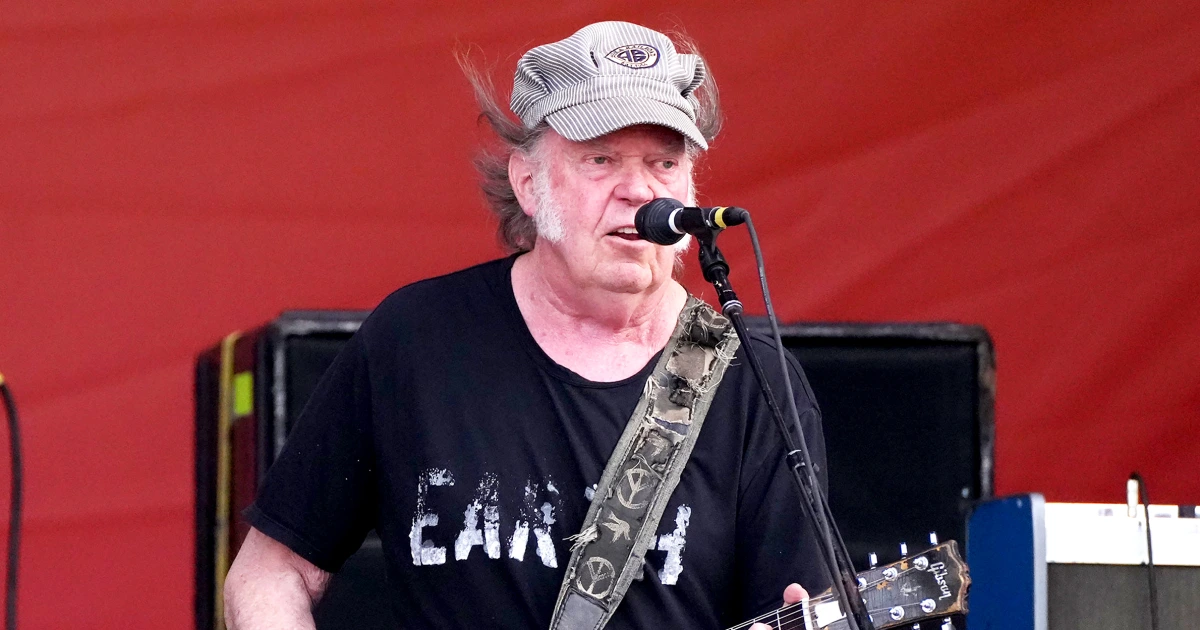
Music legend Neil Young has initiated a lawsuit for $10 million against the Trump 47 Committee, citing the unauthorized use of his iconic song, “Rockin’ in the Free World,” during campaign events for President Donald Trump. This lawsuit marks Young’s second legal action regarding the use of his music by Trump, highlighting ongoing tensions between artists and political figures.
The five-page lawsuit, filed in federal court in Virginia, argues that Young’s reputation and brand have been damaged due to the implied endorsement of Trump’s candidacy through the use of his music. The legal action points specifically to a rally that took place in Ohio last October, where the song was featured.
Young’s legal representatives emphasize the song’s critical themes, which reflect the stark contrast between political rhetoric and the harsh realities of life for many in society. The lawsuit articulates, “Rockin’ in the Free World is a blistering anthem that contrasts the hollow promises of American political rhetoric with the harsh realities faced by the poor, homeless and forgotten.”
In his complaint, Young notes that the song provides an unflinching portrayal of social inequities, with lyrics depicting dire social issues — such as neglect and despair — followed by a chorus that ironically celebrates freedom, which he argues is not enjoyed by all. The complaint states, “In short, the Song is the opposite of everything that Donald J. Trump stands for.”
Young’s previous grievances include a lawsuit filed in 2020 regarding the same song and another track, “Devil’s Sidewalk,” which was settled shortly after its filing. This latest lawsuit continues a trend of artists expressing dissatisfaction with their music being appropriated by the Trump campaign without consent.
Previous instances of artists rebuffing political figures for using their music include Kesha, who distanced her work from military themes promoted by the White House, and Olivia Rodrigo, who disapproved of her music being included in a Trump campaign video. Furthermore, Sabrina Carpenter publicly condemned the use of her music in a White House video relating to immigration issues, labeling it “evil and disgusting.”
As of now, the White House has not provided a direct response, referring inquiries to the Republican National Committee, which has yet to comment. This lawsuit serves as another reminder of the complex relationship between artistic expression and political campaigning, underscoring the importance of artist consent in the use of their creative works.
