


The Implications of the Democratic Midterm Election Wins on Economic Policy
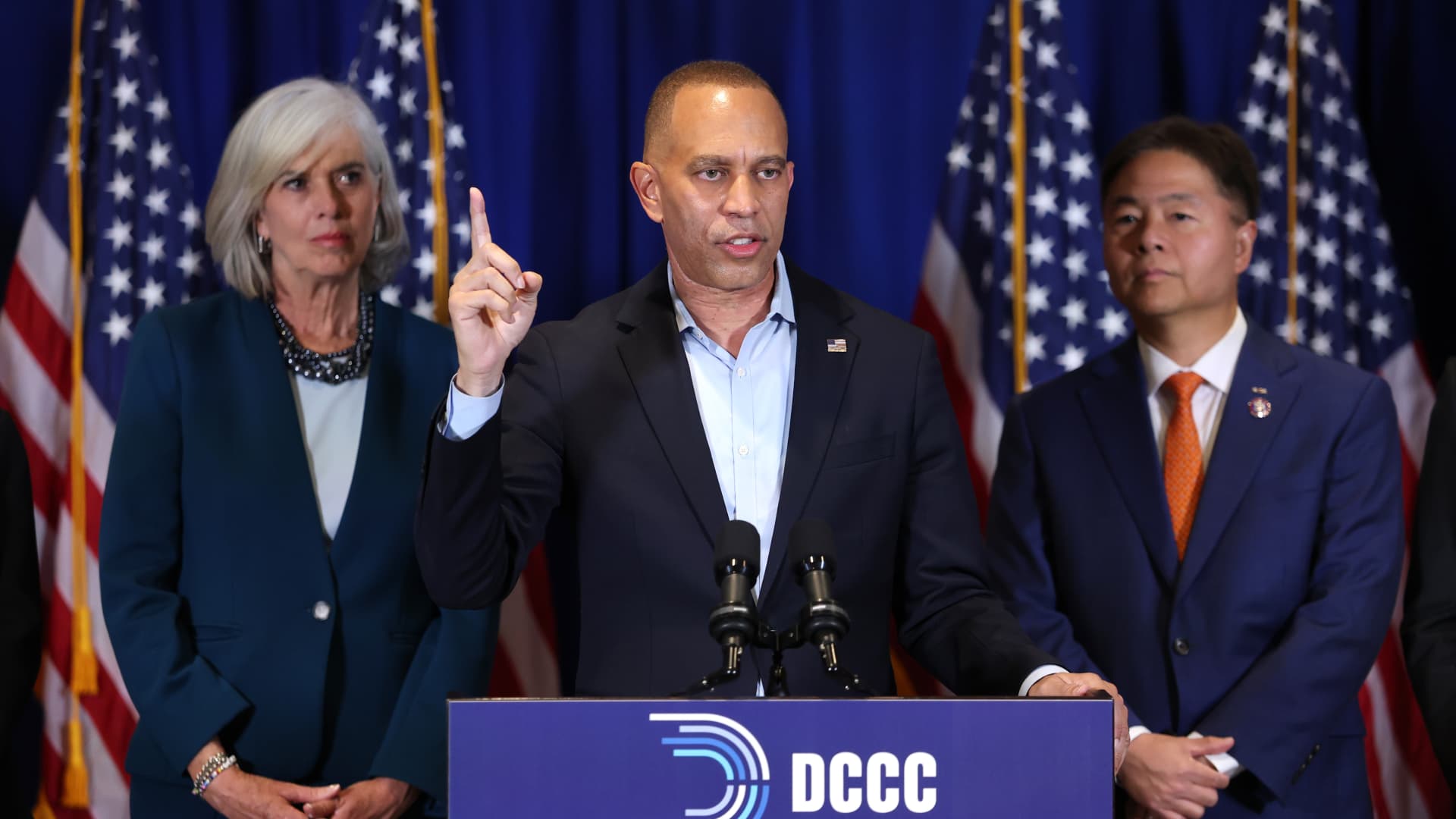
The recent surprising victories for Democrats in various midterm elections have the potential to reshape U.S. economic policies, influencing areas such as trade, government spending, and technological advancements in artificial intelligence (AI). However, economists caution that the fundamental economic forces will likely remain unchanged by the alteration in political leadership.
Ongoing Economic Challenges
Despite the Democratic successes, key economic pressures such as affordability, significant government expenditure, and the dependency of growth on AI advancements are expected to persist. Mark Zandi, chief economist at Moody’s Analytics, described the current economic environment as “fragile.” He emphasized that it wouldn’t take much to destabilize the economy, highlighting the risks of recession, which, while not imminent, remain a concern.
Zandi previously voiced worries about inflation, a sluggish labor market, and geopolitical threats, feelings that remain post-election. He noted that the outcome of the elections won’t fundamentally alter the economic challenges at hand.
Executive Policies Remain Steadfast
While Democrats achieved notable victories in the House, Senate, and state races, the majority of economic policies are dictated by the executive branch. President Donald Trump’s stances on economic issues such as the Iran conflict, tariffs, and immigration policies are primarily enacted through executive orders. “I don’t expect any change in economic policy,” Zandi remarked, implying that these policies could continue to hinder economic growth and potentially exacerbate inflation.
Furthermore, Zandi has pointed to the increasing role of AI in driving economic growth, though he warns that this reliance may also introduce further vulnerabilities. “The risks are decidedly to the downside,” he stated, noting the economy’s fragility given its close ties to the stock market’s performance and AI investments.
A Disconnect in Economic Perception
The backdrop of the midterm elections highlighted a stark contrast in public sentiment regarding the economy. While indicators such as GDP growth, consumer spending, and low unemployment suggest a thriving economy, the reality of rising prices has overshadowed these statistics. The inflation rate hit 3.7% in September, a significant increase from 2.3% in April, exacerbated by ongoing geopolitical tensions stemming from the Iran conflict. Wage growth, adjusted for inflation, has also turned negative, causing further discontent among consumers.
Potential for Policy Overhaul
There is some common ground between political factions when it comes to trade. Democratic lawmakers have not consistently opposed tariffs that aim to protect American jobs, though they have criticized the sweeping nature of Trump-era tariffs. Gary Cohn, former director of the National Economic Council, expressed optimism about potential bipartisan movement on trade issues, suggesting that a legislative framework for tariffs could provide more stability compared to current executive orders.
Addressing Affordability and Spending Policies
In the aftermath of the elections, Democrats are expected to advocate for rolling back spending cuts implemented by the previous Republican-controlled Congress, particularly in programs like SNAP and Medicaid. However, reversing other contentious policies may prove more challenging. Analysts at Morgan Stanley indicated that uncertainty in policy driven by executive action will likely linger, particularly concerning tariffs and international trade.
Moreover, the national debt remains a critical issue, with projections showing it has surged to $40.5 trillion, increasing by over $4 trillion since Trump came to office. Interest payments on this debt are projected to reach $1.05 trillion in the current fiscal year, outstripping funding for nearly all programs aside from Social Security and Medicare.
Debt Ceiling and Future Negotiations
Concerns loom regarding potential deadlock over the debt ceiling, with the possibility that Democrats might leverage these negotiations to secure policy concessions. Jan Hatzius, chief economist at Goldman Sachs, noted that while the specifics remain unclear, priorities likely include limiting military engagement in Iran, rolling back tariffs, and expanding health care benefits.
Despite the myriad economic pressures and political uncertainties, many observers from Wall Street anticipate that economic growth will continue, albeit with challenges related to living costs. Joseph Brusuelas, an economist at RSM, expressed that the economy could sustain above-trend growth at approximately 2.5%, with only a 15% likelihood of recession in the next year—a forecast he maintains regardless of the recent election results.
