


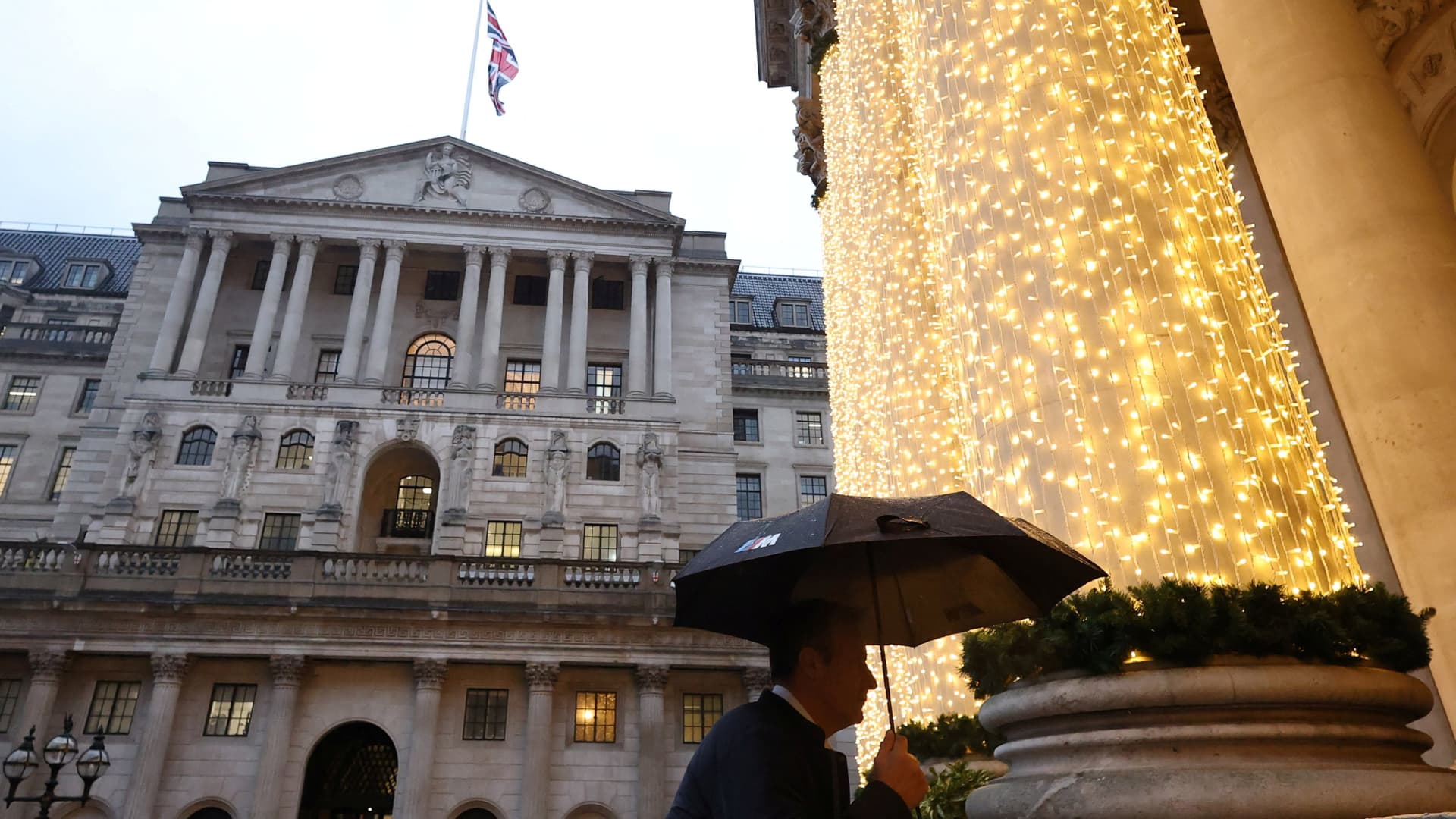
Bank of England Raises Interest Rates for First Time in Over Three Years
The Bank of England (BoE) has raised its key interest rate by 25 basis points to 4%, marking its first increase in over three years. This decision comes as part of the central bank’s response to ongoing inflationary pressures linked to global energy prices exacerbated by conflicts in the Middle East.
Monetary Policy Committee’s Decision
During the recent meeting of the Monetary Policy Committee (MPC), eight members voted in favor of the quarter-point increase, while one member advocated for a more substantial raise of 50 basis points. This vote underscores the varying perspectives within the committee regarding inflation management, particularly given the uncertainty surrounding energy supply disruptions.
Inflation Forecasts and Economic Context
In a statement released concurrent with the rate hike, the MPC indicated that they anticipate inflation in the UK to rise to approximately 5% by mid-2027, before potentially easing as the impacts of escalating energy costs recede. The committee emphasized that the prolonged conflict in the Middle East continues to drive up global energy prices, thus putting upward pressure on inflation.
Expert Commentary on Rates
BoE Governor Andrew Bailey highlighted the significance of achieving progress towards a resolution of the geopolitical tensions impacting the UK economy. He indicated that without improvements, inflationary risks are likely to remain elevated. “Without news which softens the risks to inflationary pressures, I can see the argument for a further increase in rates,” Bailey remarked.
Further insights from Catherine L Mann, the MPC’s most hawkish member, revealed her rationale behind supporting a more aggressive tightening stance. Mann noted the research indicating “non-linear inflation risks,” affirming that her previous votes to increase the rate were intended as a preventative measure against escalating inflation effects.
Market Reactions and Economic Outlook
The reaction in the financial markets was swift, with yields on UK government bonds, known as gilts, experiencing an uptick following the announcement. The current yield on the 10-year gilt stands at 5.155%, reflecting increased investor apprehension over inflation controls. Analysts suggest that the economic landscape remains uncertain, particularly with energy prices fluctuating and potential second-round inflation effects beginning to emerge in various sectors.
Scott Gardner, an investment strategist at JPMorgan Personal Investing, described the November hike as “hugely symbolic,” contrasting it with the beginning of the year when there was speculative discussion of decreasing interest rates due to subdued inflation. He further cautioned that the trajectory of upcoming rate movements will significantly depend on the volatile nature of oil and natural gas prices.
Conclusion
The Bank of England’s decision to raise interest rates marks a significant shift in monetary policy amid ongoing global challenges. The focus remains on navigating inflation risks effectively while seeking to sustain economic growth within the UK.
