


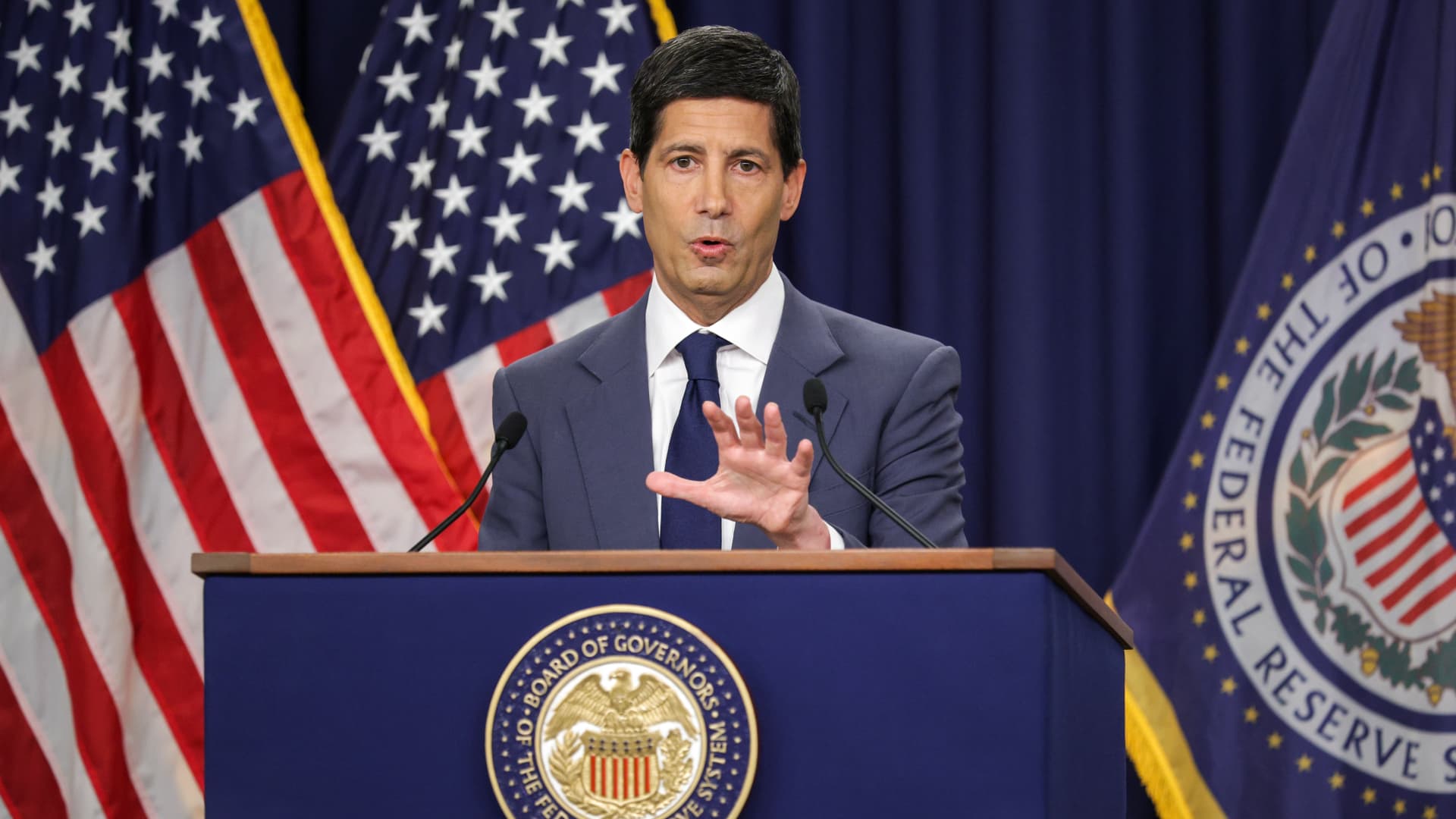
The latest address by Federal Reserve Chair Kevin Warsh following the Federal Open Market Committee (FOMC) meetings showcases a significant evolution in his leadership style and strategic approach to monetary policy. Delivered on October 28, 2026, Warsh’s remarks signal a departure from the defensive posture he exhibited earlier in his tenure.
Warsh’s Confidence and Evolving Strategy
Warsh has emerged as a more assertive figure, willing to let market speculation guide expectations regarding future Federal Reserve actions. His recent remarks reflect a commitment to reshaping the Fed’s approach, indicating a readiness to tackle inflation amidst ongoing economic challenges.
Despite facing skepticism after the Fed opted to maintain interest rates during June and July, even as inflation rates surged above the Fed’s 2% target, Warsh’s upcoming decisions appeared more decisive. The Fed’s September rate hike demonstrated a hawkish stance that confused market observers, leading them to believe a follow-up hike might occur soon. However, his latest comments have clarified his intentions.
Acknowledging Flexibility
In his address, Warsh dispelled notions of a predetermined path for monetary policy, saying, “If we had a firm conclusion about the conduct of monetary policy, we’d announce it to much fanfare today.” This statement highlights his adaptive approach as he contemplates economic indicators and remains open to necessary adjustments.
Warsh’s emphasis on maintaining options positions him for potential rate increases, particularly if inflation persists. He noted, “While overall financial conditions are tighter, I’m unwilling and unable to call them tight,” suggesting he is preparing for further tightening of monetary policy if economic conditions warrant it.
Communications Strategy
In a subtle shift, Warsh did not confirm speculation about the influence he may have on other Fed officials’ messages, stating, “To suggest somehow that I am some kind of all-knowing person sending messages out, that’s not the committee of the FOMC that I know.” This strategic ambiguity grants him leverage while allowing the markets to interpret signals without his direct involvement.
Implications for Future Policies
Warsh has established task forces with the goal of transforming how the Fed measures inflation—a critical factor in guiding policy changes. His commitment to addressing inflation concerns was reinforced by the September rate hike, addressing critiques about his seriousness in combating prolonged price increases. He conclusively stated, “If you think that we’re tolerating some inflation target somewhere in the twos, let us disabuse you of it,” reaffirming the Fed’s strict 2% target.
Upcoming Challenges and Decisions
As the FOMC approaches its next meeting in December, Warsh noted that an influx of data will assist in shaping future policy decisions. He has proposed restructuring the FOMC’s voting approach, reducing the number of scheduled rate votes, thereby diminishing the impact of preliminary comments by regional Fed presidents when approaching rate decisions. This change is expected to streamline decision-making while preserving his authority to call meetings as necessary.
Concerns Over Transparency
While Warsh’s strategies empower him to manage signals and expectations, there are concerns surrounding transparency. Some analysts argue that a lack of clear communication could undermine the Fed’s credibility. Robert Sockin, chief U.S. economist at PGIM, suggested that failing to raise rates this week, despite tight inflation dynamics, represents a potential policy misstep, warning that a gradual approach might inadvertently increase recession risks.
The full ramifications of Warsh’s strategy may take time to unfold, as the financial landscape continues to evolve. The upcoming months will serve as a critical period for assessing his leadership and the Fed’s monetary policy adjustments going forward.
