


World Bank Capital Availability Amid AI Concerns
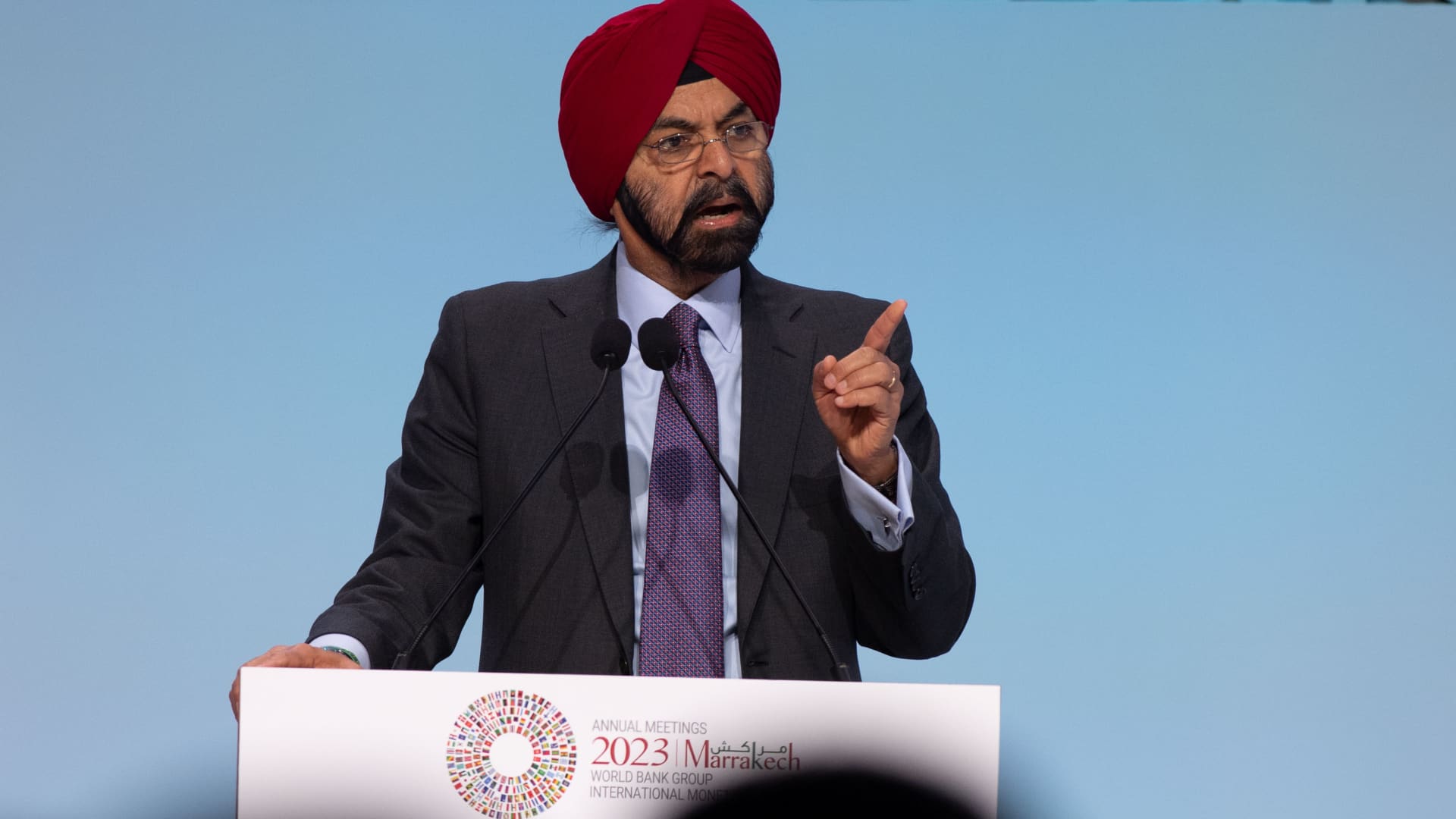
In a recent interview with CNBC’s “Squawk Box,” Ajay Banga, the President of the World Bank, provided insights into the institution’s capital mobilization strategies and addressed prevailing concerns surrounding artificial intelligence (AI) and its impact on interest rates.
Capital Mobilization on the Rise
Banga highlighted the World Bank’s impressive capital mobilization efforts, noting that it secured a total of $112 billion last year. This figure represents a threefold increase compared to the amount mobilized just three years earlier.
AI and Investment Sentiments
While discussing the implications of AI on financial markets, Banga reassured that the capital remains accessible despite fears that AI might drive interest rates higher. He stated, “It’s not really an issue,” indicating a confident outlook on funding availability.
Concerns have surfaced among investors regarding the mechanisms of financing within AI enterprises. Nevertheless, Banga pointed out that developing nations are less affected by these anxieties, primarily because investments in those regions tend to concentrate on essential infrastructure projects, such as bridges and roads.
Different Approaches to AI Investment
Banga noted a divergence in how emerging markets and developed countries approach AI investments. Emerging markets are focusing on smaller-scale applications of AI technology, while developed nations exhibit a desire for funding large-scale AI initiatives, which he termed the “exact opposite” of the needs of developing countries.
Managing Private Capital and Debt Concerns
Another critical aspect of Banga’s commentary was the World Bank’s management of private capital, which is not directed towards government purposes. This operational framework helps the institution circumvent potential risks associated with escalating bond yields and looming debt crises experienced in various countries.
A Transformative Future Ahead
Banga expressed optimism about the future of AI, asserting, “In general, I still believe that AI is going to be transformative and profitable.” However, he also acknowledged the uncertainty associated with technological advancements, stating, “But everybody sees bumps in the road from here to there, and no one knows when the next bump will come.”
Looking Ahead
His remarks come at a pivotal time, as central banks globally prepare to make crucial interest rate decisions. Economic experts are evaluating how AI’s widespread integration may influence both capital demand and employment rates in the near future.
Established in 1944, the World Bank focuses on the eradication of poverty and the promotion of economic development through powerful global partnerships and strategic funding initiatives. Before leading the World Bank, Banga served as vice chair at General Atlantic and was notably the CEO of Mastercard.
