


Saudi Arabia’s Economic Strategy Shifts toward Sustainable Growth
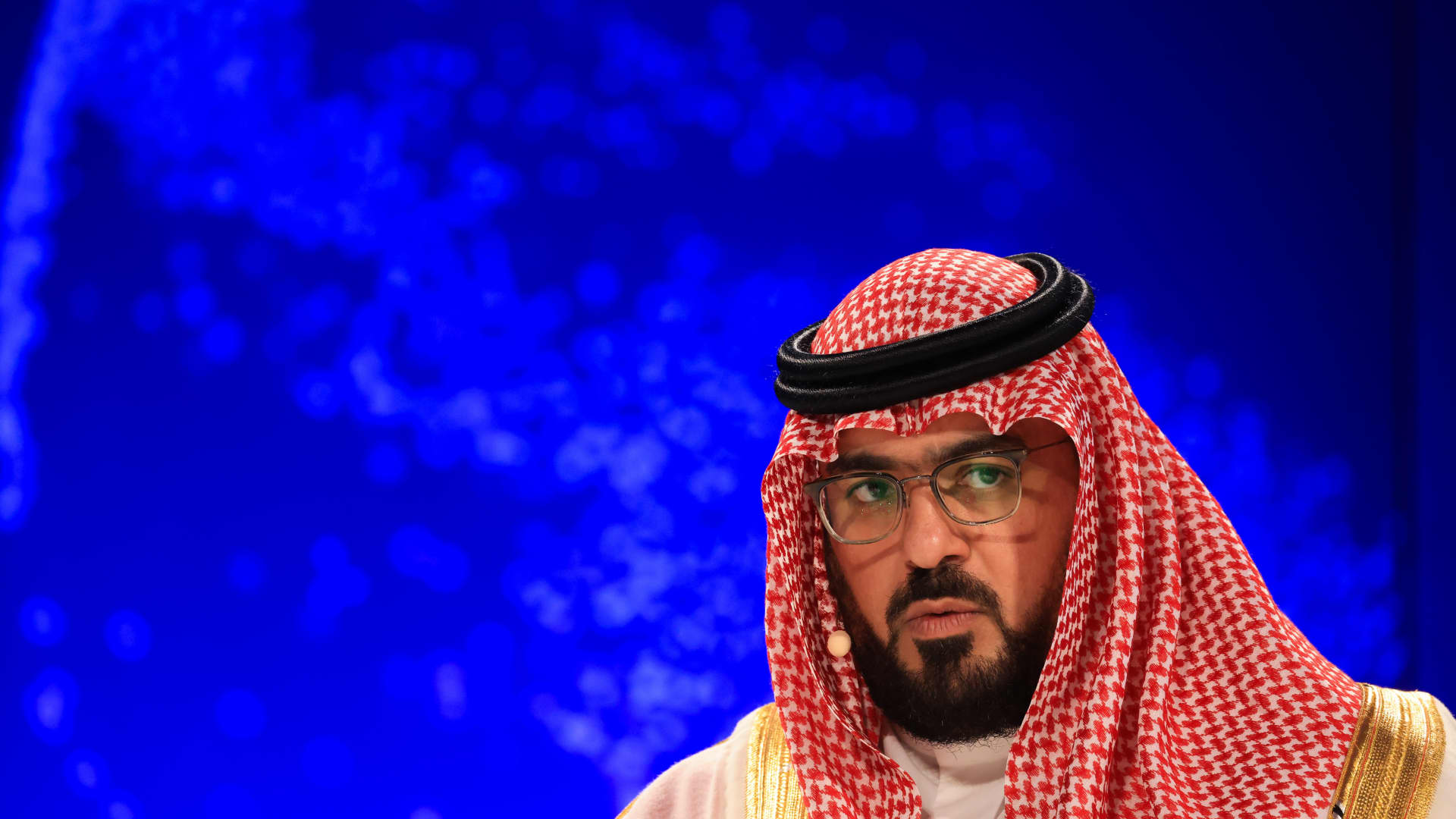
Saudi Arabia is recalibrating its economic diversification efforts, transitioning from a strategy focused on broad spending to a more targeted approach, Economy Minister Faisal Alibrahim revealed in a recent interview with CNBC. The adjustment comes in response to significant economic contraction, prompting the Kingdom to critically assess various flagship projects.
“The phase we’re in today is one where every riyal is deployed with greater precision,” Alibrahim emphasized. This shift marks a significant change from prior practices, underscoring the importance of aligning expenditures with feasible commercial prospects.
Cutting Back on Non-Essential Projects
Since initiating its Vision 2030 agenda in 2016, Saudi Arabia has made extensive capital investments aimed at reducing oil dependency. However, Alibrahim indicated that recent evaluations have led to the suspension or reallocation of funds from major initiatives, including the NEOM city project, the LIV Golf tournament, and a controversial skyscraper in Riyadh.
Additionally, the planned hosting of the 2029 Asian Winter Games in Trojena, part of the NEOM project, has been postponed. This reassessment is compounded by ongoing geopolitical tensions and the destabilizing impacts of Houthi strikes on vital infrastructure within the Kingdom.
Geopolitical Challenges Affecting Economic Stability
Alibrahim pointed out that ongoing attacks from Houthi militants in Yemen, targeting various infrastructures—including the Public Investment Fund (PIF) tower and key refineries—have influenced economic activities significantly. The government’s big-ticket investor conference planned for November, labeled “Davos in the Desert,” was also canceled due to these security concerns.
“The human cost of crisis has been real, and so has been the economic cost,” he remarked, underlining the severity of the region’s instability on economic growth.
Economic Indicators and Future Projections
Recent government statistics indicate a 3.8% contraction in real GDP in the third quarter, largely influenced by a 20.4% decrease in oil sector activities, albeit partially offset by a 1.9% increase in non-oil sectors. Emerging forecasts predict a general contraction of about 2.1% for the current year, with a sharp rebound projected at 10.9% in the following year.
However, experts from Oxford Economics forecast a more pessimistic outlook, estimating a 3.4% contraction for this year, and a continuing decline into 2027, compounded by sustained attacks on energy infrastructure.
Investment Strategy Realignment
Amid these challenges, the Saudi government is urged to manage fiscal pressures effectively by focusing budget allocations on essential services and strategic goals. Alibrahim reiterated that Saudi Arabia’s future economic landscape would prioritize a clearer business environment, including a new 15% minimum effective tax rate on multinational profits aimed at encouraging private sector investment.
As Alibrahim concluded, the overarching ambition of economic diversification remains intact, despite adjustments in project timelines and budgetary focus. “The government is managing fiscal pressures,” he asserted, pointing to ongoing investments in manufacturing, logistics, tourism, and technology as critical components of their adjusted approach.
Assessing Investor Confidence
Consultants are closely monitoring how Houthi attacks could impact confidence in Saudi Arabia as a viable destination for tourism and investment—key sectors highlighted in the Vision 2030 initiative. According to Neil Quilliam of Azure Strategy, these incidents may question the Kingdom’s perceived invulnerability to regional instability, influencing long-term investment strategies and economic fortitude.
