


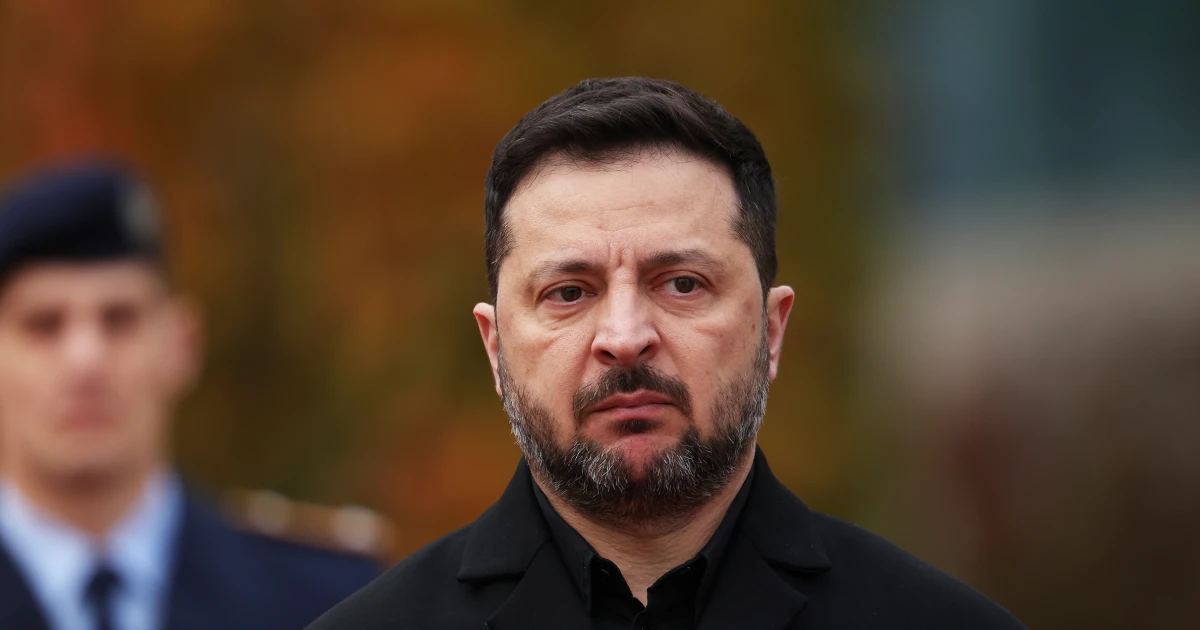
In a recent interview with the BBC, Ukrainian President Volodymyr Zelenskyy expressed his growing dissatisfaction with the current U.S. approach towards Russian President Vladimir Putin. This statement reflects escalating tensions between Ukraine and the United States, coinciding with uncertainties about Europe’s ongoing financial commitments to Ukraine.
Zelenskyy urged the U.S. government to increase its pressure on Putin to end the ongoing invasion of Ukraine. The conflict has persisted for nearly five years, overshadowing previous diplomatic efforts, notably those initiated by former President Donald Trump.
During the interview, Zelenskyy found it “strange” that Trump referred to Putin as “my friend” at a recent summit in China. He characterized Putin as both “an aggressor and a killer,” drawing a parallel to someone calling Adolf Hitler a friend during World War II. “He can’t be a friend,” emphasized Zelenskyy.
In response, Trump defended his remarks, stating, “We want to make a deal. We want to stop the killing.” He elaborated on the complexities of the situation, suggesting that animosity between the two leaders complicates potential peace negotiations.
Kremlin spokesman Dmitry Peskov reacted to Zelenskyy’s comments by accusing him of disrespecting Putin and suggesting that such views undermine potential pathways to a peace settlement. The backdrop of this exchange is significant, particularly in light of an arrest warrant issued by the International Criminal Court against Putin for war crimes, specifically regarding the abduction of children from Ukraine. The court’s legitimacy is contested by Russia, which regards its decisions as “legally void.”
These diplomatic tensions occur alongside ongoing criticisms from Zelenskyy about military support from the U.S. He has highlighted delays in the delivery of paid-for Patriot missile systems intended to bolster Ukraine’s defense capabilities against Russian missile attacks. Additionally, there are concerns regarding the reliability of SpaceX’s military-grade Starlink internet service, which is crucial for Ukrainian drone operations and communications.
Complicating the situation further, European leaders recently struggled to reach a consensus on a new $49 billion loan package intended to support Ukraine’s economic and military strategies for the upcoming year. With multiple elections scheduled across the EU within the next 12 months, there are worries that rising opposition to funding Ukraine could weaken the continent’s support for the country in the face of Russian aggression.
As the conflict continues to escalate, reports indicate that Russia has intensified its aerial attacks on Ukraine, launching nearly 300 attacks per week on civilian infrastructure leading up to November 20, according to data from the Armed Conflict Location & Event Data Project (ACLED).
Ongoing military developments and diplomatic exchanges suggest a critical juncture for Ukraine as it seeks to navigate the complexities of international support amidst a prolonged and devastating conflict.
