


Changes in Thanksgiving Celebrations Amid Economic Pressures
As Thanksgiving approaches, families across the U.S. are grappling with the impact of rising prices on their holiday plans. For many, like 30-year-old Amanda Brecht from Michigan, the desire for a traditional gathering with family is being overshadowed by financial constraints. Brecht decided against traveling across her state due to high gas prices and is opting for a smaller celebration with her immediate family, simplifying their menu by choosing turkey breast instead of a whole bird.
Brecht’s situation is becoming increasingly common as inflation rates climb, forcing many consumers to rethink their Thanksgiving celebrations. “Thanksgiving is definitely going to look different this year,” Brecht remarked, highlighting the challenging financial decisions families face as they attempt to make the holiday special without overspending.
Rising Food Costs
The classic Thanksgiving meal is facing a challenge as grocery prices increase. According to an annual survey by the American Farm Bureau Federation, the cost for a traditional dinner for 10 people has risen by 6% to $58.63 in 2026. This increase is attributed to higher labor and transportation costs, as explained by Faith Parum, the organization’s deputy chief economist.
In response to these price hikes, various grocery chains have started offering meal bundles aimed at budget-conscious consumers. For instance, Walmart’s Thanksgiving meal deal promises to serve 10 for just $35, including essential dishes like mashed potatoes, green bean casserole, and pumpkin pie. However, some consumers express dissatisfaction with the limited choices available due to escalating prices, indicating a significant change in their usual holiday meal preparation.
According to the Bureau of Labor Statistics, the cost of food has risen, on average, by 24% over the past five years, with staples like coffee and ground beef seeing even steeper increases, exceeding 40% in some cases. Simultaneously, a reduction in Supplemental Nutrition Assistance Program (SNAP) benefits has led to increased demand at food banks, further complicating the situation for low-income families during the holiday season.
Impact of Energy Prices on Travel Plans
High energy prices, exacerbated by geopolitical tensions including the ongoing war with Iran, are also influencing American families’ holiday choices this year. According to AAA, there has been a noticeable decline in the number of people planning to travel 50 miles or more for Thanksgiving, marking the first year-over-year drop since the COVID-19 pandemic. With gas prices still hovering approximately 18% higher than last year, many opt to stay home rather than face increased travel costs.
Meanwhile, airline ticket prices are surging, with travelers paying roughly 31% more for round-trip domestic flights than in the previous year, attributed to rising jet fuel costs. Hayley Berg, an economist at Hopper, commented on the shock patrons may feel regarding these travel expenses, particularly as they remember previously lower rates.
Changing Gifting Practices
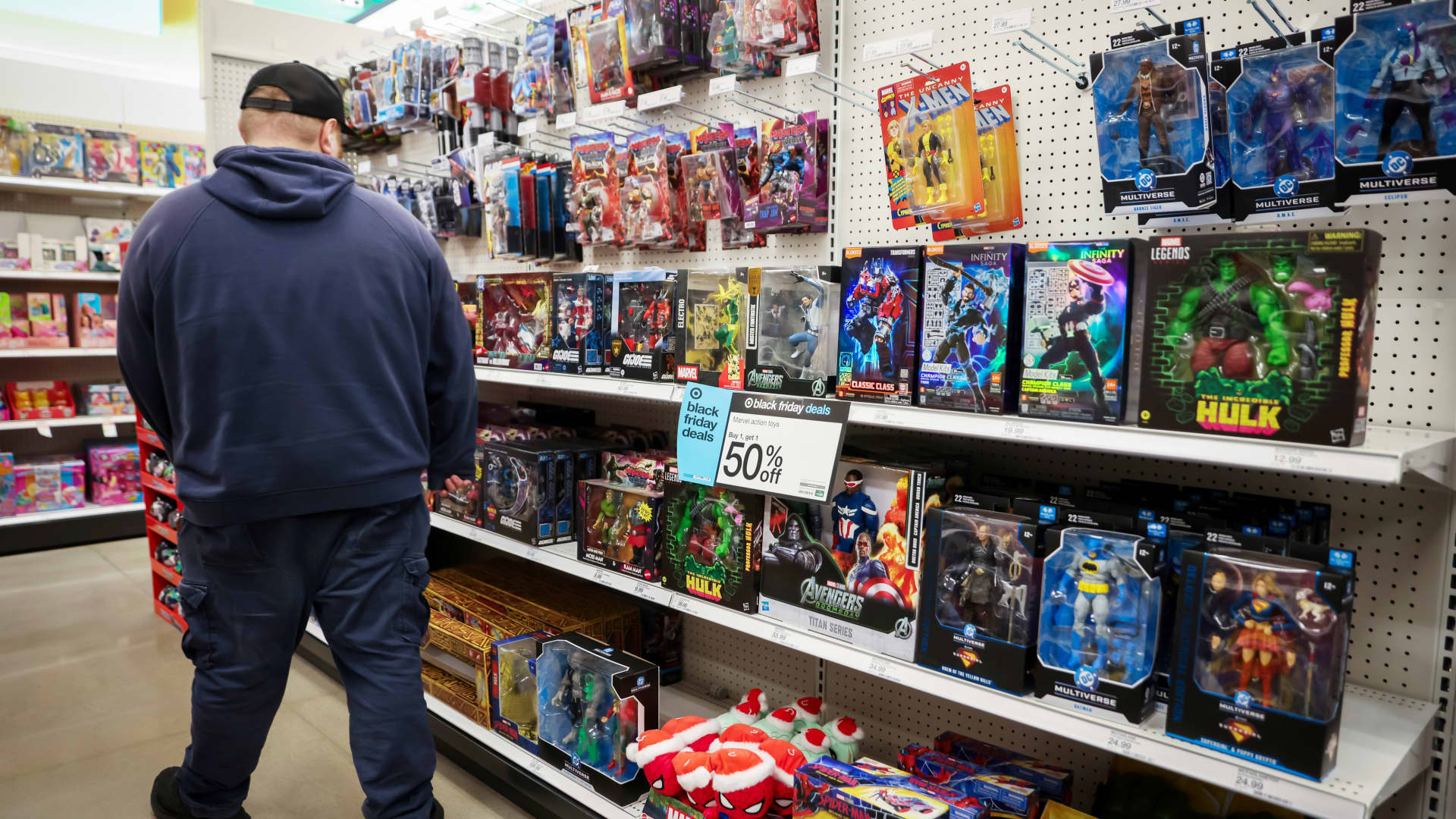
This holiday season, consumer behavior is shifting towards more cautious spending, particularly in gift-giving practices. Retail sales are expected to increase by approximately 5%, mostly due to inflation rather than an uptick in product volume, as reported by Bain & Company. The current economic climate is causing many to limit their expenditures, resulting in a prioritization of quality over quantity when selecting gifts. Chris Byrne, a toy industry analyst, noted, “As inflation is rising, people are being a little bit more cautious about what they are buying.”
Surveys indicate that only a small percentage of consumers plan to increase their holiday spending compared to 2025. In fact, some Americans are choosing to forego gifting altogether, making adjustments in light of financial pressures. One shopper, Wendy Cooper from Atlanta, has decided to limit her gifts to one for each adult child, showcasing a shift in attitudes towards holiday spending.
Conclusion: Navigating the Holiday Season
For many, the struggle to maintain traditional celebrations in the face of rising costs and economic uncertainty is a daunting challenge. Brecht is among those looking for creative ways to celebrate without losing the spirit of the holiday. She is exploring options like discounts and thrift stores for her children’s gifts while managing her budget carefully. The ongoing economic fluctuations mean that many families may resort to credit card use this holiday season, and a third of Americans anticipate going into debt, a significant increase from the previous year.
This Thanksgiving, as families continue adapting their traditions amid financial pressures, the focus may shift more toward affordability and meaningful experiences rather than lavish displays of holiday cheer. As Americans brace for a holiday season that may feel different from years past, the spirit of giving and celebration remains, albeit in a more restrained form.
