


A federal judge has made public over 160 pages of legal documents concerning the warrant for a search conducted at the residence of Representative Ilhan Omar in Washington, D.C. This unsealing of files took place on a Monday night following a request from a group of news organizations, including NBCUniversal News Group.
Chief U.S. District Judge James E. Boasberg agreed to release portions of the documents, albeit with many sections redacted, while maintaining that the search warrant itself would remain confidential. The ruling was particularly notable for highlighting the tension surrounding Omar’s “speech or debate” rights, a constitutional provision designed to protect lawmakers from legal liability for actions taken while performing their legislative duties.
Unredacted segments of the documents shed light on the thorough procedures undertaken by a magistrate judge to ensure that the Trump administration adhered to appropriate protocols when executing the search warrant on a sitting member of Congress. Magistrate Judge Matthew Sharbaugh requested multiple briefings from the Justice Department to clarify their basis for probable cause, which in turn led to several revisions of the affidavit. Ultimately, Judge Sharbaugh deemed the speech or debate clause pertinent due to the nature of the search being conducted at Omar’s home.
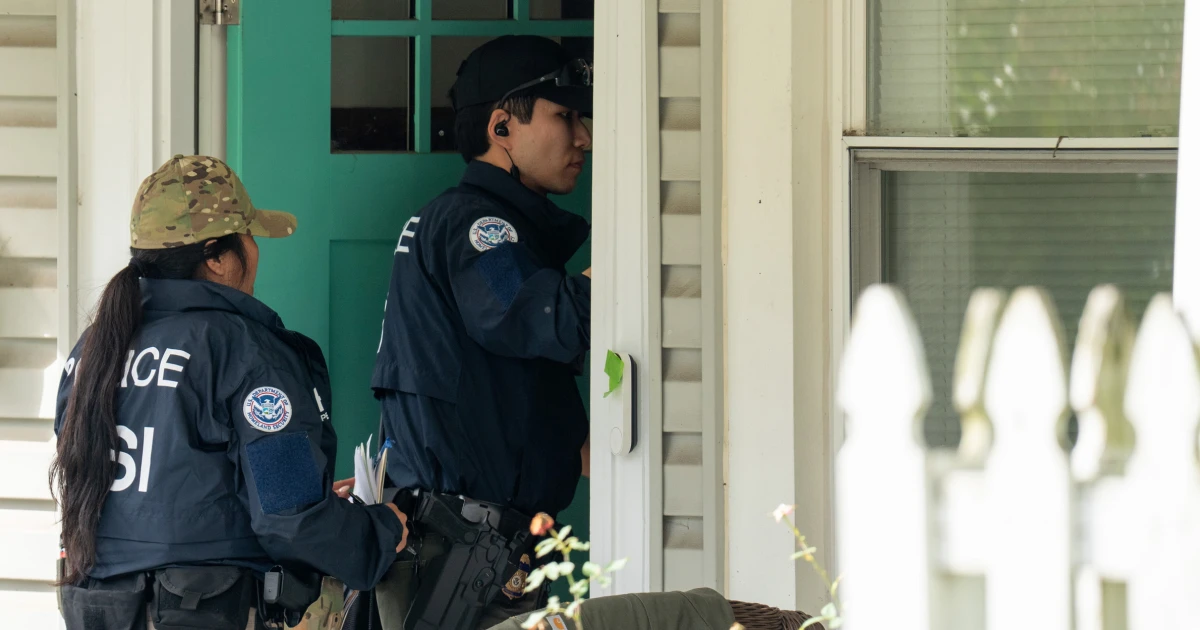
According to the documents, special procedures were implemented during the search of Omar’s residence. The government’s intention was to seize a range of items, though much of the inventory is heavily redacted. However, it was indicated that they aimed to collect “all records and information that constitute fruits, contraband, evidence, and instrumentalities of violations of (REDACTED).” Additionally, items such as papers, photographs, electronic media devices, and digital records associated with Omar were included in the search warrant. Omar has previously stated that federal agents removed 17 items from her home, including personal cellphones.
Further details suggest that the time frame for the alleged legal violations spans from 1980 to the present day. This is particularly relevant given that Omar was born in October 1982, raising questions regarding the claims against her. An official document submitted to the court indicated, “The United States believes ILHAN has committed (REDACTED) crimes over decades — beginning long before she was ever in Congress,” and clarified that the investigations are unrelated to her official duties as a legislator.
The search of Omar’s home took place in October, shortly before the midterm elections, an action that has drawn public scrutiny and debate regarding the appropriateness of such measures against an incumbent politician. The Department of Justice has curbed the release of specific charges against Omar, but sources familiar with the investigation suggest it pertains to potential immigration-related offenses, considering Omar’s background as a naturalized citizen who immigrated to the United States from Somalia during her childhood.
In response to the search, Omar has characterized the actions of federal agents as a politically motivated attack, arguing that it serves to undermine political opponents and manipulate federal law enforcement for partisan purposes. The congresswoman has often found herself the target of former President Donald Trump’s critiques, as evidenced by the often-hostile chants of “lock her up” from crowds during his rallies.
Despite the controversy surrounding the search, President Trump has publicly denied any involvement in the actions taken against Omar.
