


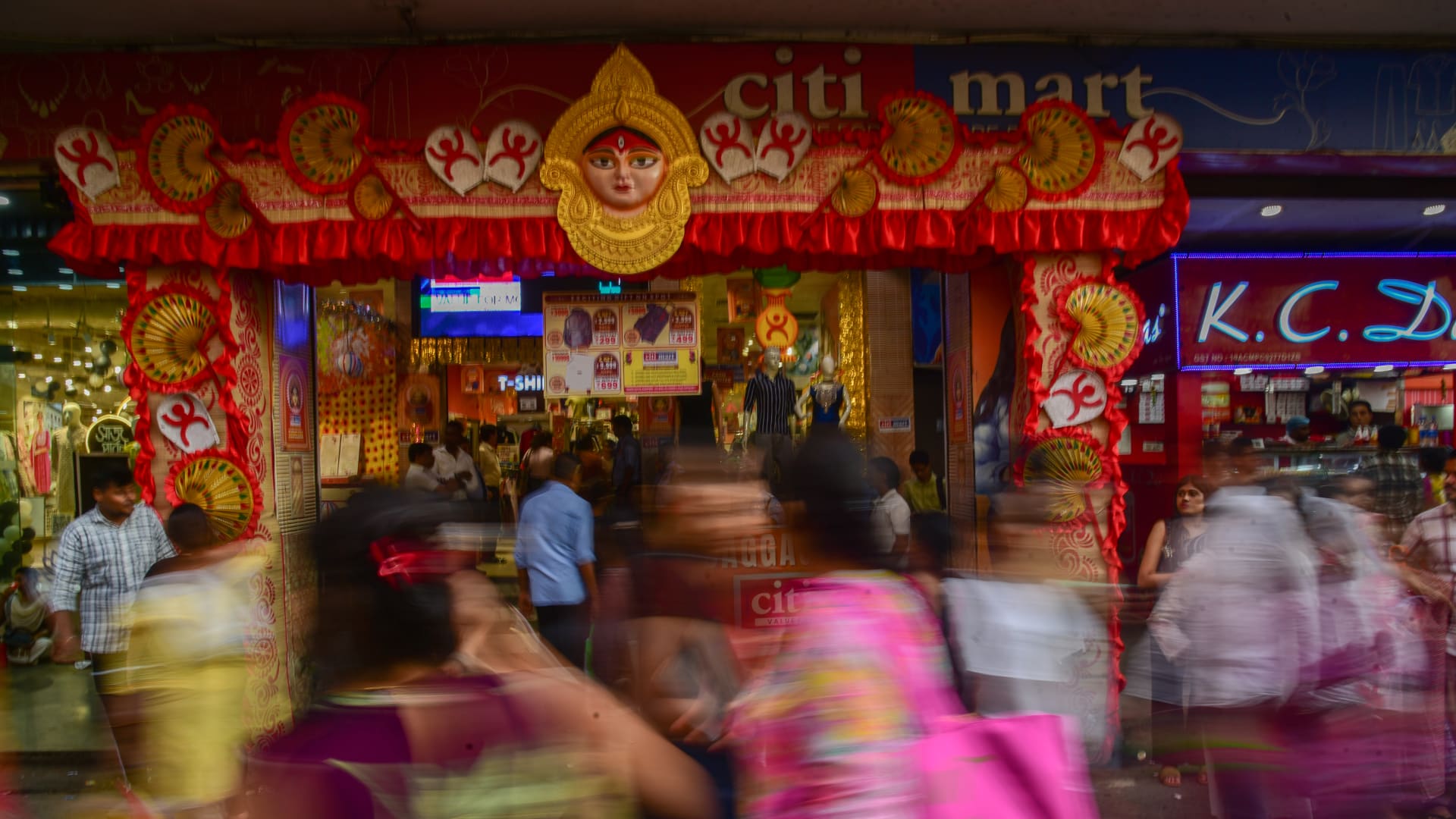
In September 2026, Kolkata’s New Market buzzed with activity as shoppers prepared for the much-anticipated Durga Puja festival. This festive atmosphere, however, coincided with a troubling trend in India’s economy—headline inflation surged to 5.54%, up from 4.82% in August, posing a challenge for the Reserve Bank of India (RBI) and tightening monetary policy effectively.
According to a report by Reuters, the inflation rate slightly exceeded the forecasts of economists, who projected a figure of 5.40%. This continuous rise marks the 11th consecutive month of increasing inflation, reaching its highest level in 22 months.
Economic Pressures and Food Prices
One of the most significant drivers of this inflationary trend has been food prices, which increased by 7.74% in September compared to a 5.97% increase in August. The Ministry of Statistics and Programme Implementation reported that rural areas experienced sharper increases in food costs. Additionally, inflation rates for transport services for goods saw a rise of 14.73%, with personal transport costs soaring by 7.46%.
In response to these pressures, the Reserve Bank of India raised interest rates earlier in the month, marking its first increase since 2023. This move aligns with actions taken by several global central banks aiming to counteract growing inflationary trends. The RBI acknowledged that under current circumstances, further rate cuts would not be possible, signaling that future monetary policy decisions could lead to either a hike or a pause.
Geopolitical Risks and Economic Outlook
India remains particularly susceptible to the geopolitical upheaval stemming from tensions in the Middle East, notably the Iran conflict. With the country relying heavily on imports for approximately 85% of its fuel, disruptions in supply chains pose significant risks. As a result, oil prices have risen amid this turmoil, with analysts suggesting continued volatility heading into the near future, compounded by other global events, including Hurricane Isaias.
The RBI’s projections have indicated a core inflation rate of approximately 4.4% for the financial year concluding in March 2027, with headline inflation expected to stabilize around 5.2%. These figures surpass the RBI’s medium-term goal of 4%. Economic growth forecasts have also been adjusted, with projections increased by 40 basis points to 7.1%, though the urgent need for caution remains due to ongoing geopolitical tensions and trade obstacles.
Weather Conditions Affecting Agriculture
The agricultural sector faces additional challenges due to climatic factors, particularly the impacts of the Super El Nino, which has contributed to one of the driest seasons India has experienced in over a decade—from June to September. The India Meteorological Department detailed that rainfall during this period was not only the fourth lowest since 2001 but the 13th driest on record since 1901. Key agricultural states such as Maharashtra, Andhra Pradesh, Punjab, and Haryana have been particularly hard hit by severe drought conditions.
In light of these economic and environmental concerns, HSBC’s analysis suggests another interest rate increase could occur in December 2026, following the RBI’s latest policy actions. The economists observed that September’s retail inflation data is likely to indicate a significant uptick, hence reinforcing the need for ongoing vigilance in monetary policy management.
