


Impact of Tariffs on Consumer Prices: Insights from the New York Federal Reserve
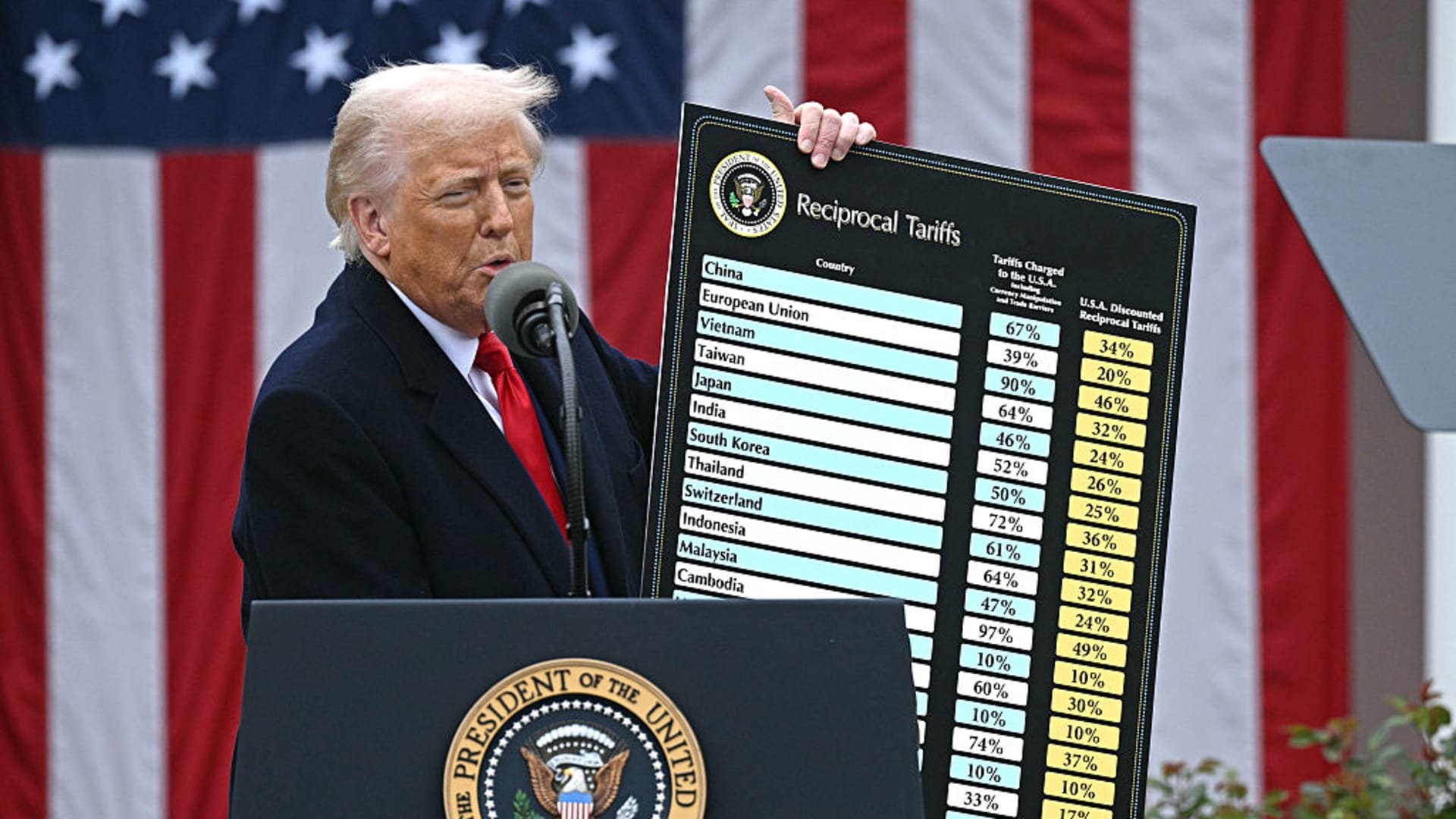
Recent research conducted by the New York Federal Reserve offers valuable insights into the economic implications of President Donald Trump’s tariff policies, particularly as they relate to consumer prices. The study reveals that tariffs have significantly influenced the cost of numerous everyday goods, adjusting upward the prices Americans pay for a variety of products.
Key Findings
According to the New York Fed’s analysis, without the imposition of tariffs, the prices of the 67 categories of goods evaluated would have decreased by nearly 1% as of early 2025. In contrast, current data indicates that these prices are inflated by approximately 2.9 percentage points due to the tariffs in place.
- The researchers emphasized that for each percentage point increase in tariffs, consumer goods prices rise by roughly one-quarter of a percent within a year.
- Annual price growth for tracked goods is reported to have reached its peak in early 2026, with projections indicating that elevated prices will persist into 2027.
Direct and Indirect Effects of Tariffs
In the report, the Fed noted that approximately two-thirds of the price impact stems directly from the tariffs themselves. The remaining increase is attributed to secondary effects, including increased costs for U.S.-based companies reliant on imported materials and components for their production processes.
The research team, consisting of authors Mary Amiti, Sebastian Heise, and David Weinstein, underscored an important point: “Tariffs have a larger and more drawn-out impact on consumer prices than the direct effect alone would suggest.”
The Shift in Policy Landscape
In February 2025, a ruling by the Supreme Court invalidated many of Trump’s tariffs, which is expected to result in substantial refunds for retailers. However, the White House has indicated plans to continue enforcing tariffs through alternative means, with many imported products now facing tariffs around 10%. This marks a notable reduction from earlier rates, yet still reflects a significant cost to consumers.
Historically, President Trump had posited that businesses might absorb increased costs resulting from tariffs instead of passing them onto consumers. However, the New York Fed’s findings suggest that approximately 26% of tariff-related price increases were indeed reflected in consumer prices last year.
Conclusion
The research conducted by the New York Federal Reserve highlights the complex interplay between trade policies and consumer pricing. The implications of tariffs not only affect the direct costs of goods but also ripple through the economy, revealing the extended impact on consumer spending and pricing strategies.
