


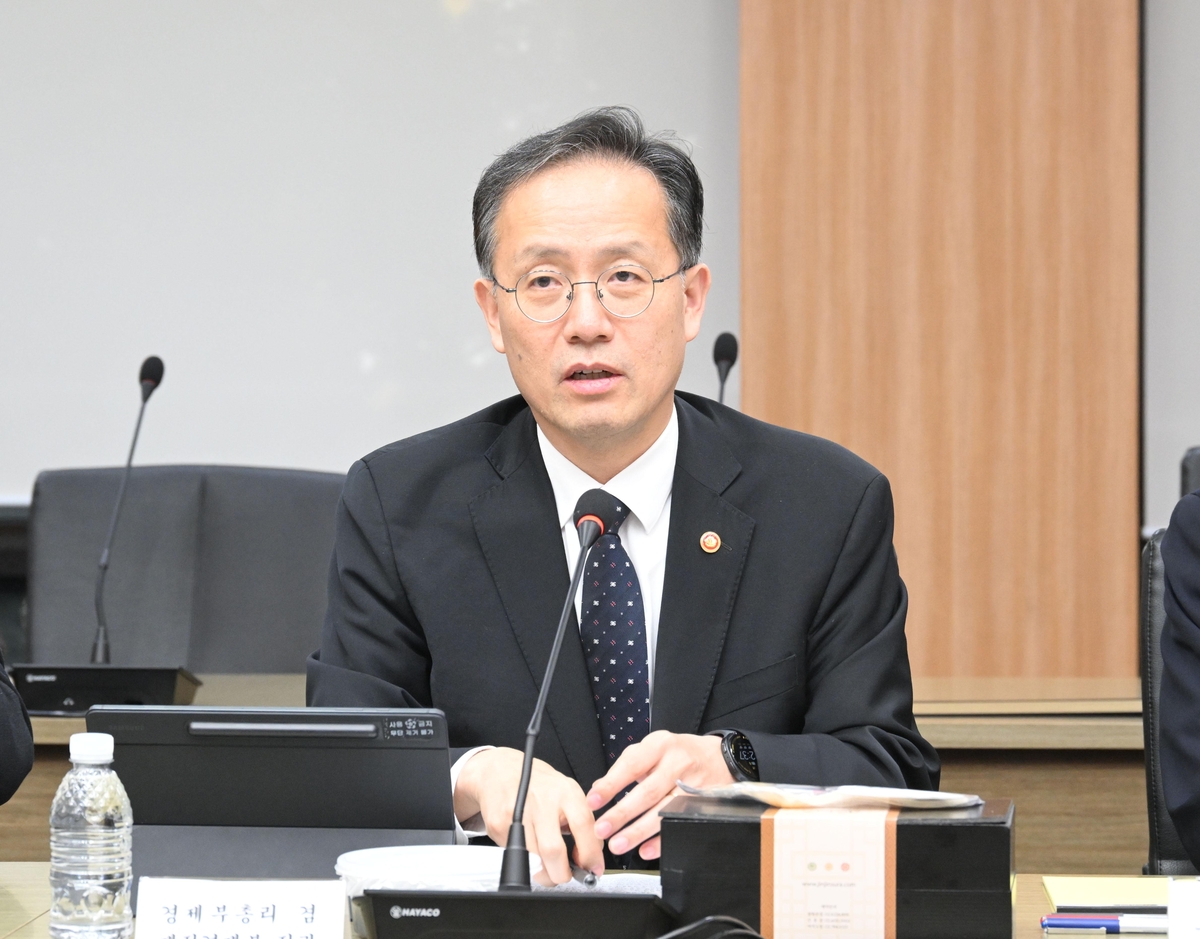
The implementation of cryptocurrency income taxation in South Korea will be postponed by two years, with the new start date set for January 2025. Lee Hyoung-il, Deputy Prime Minister and Minister of Finance and Economy, announced this decision on November 5. He stated that the delay is necessary due to the upcoming establishment of a tax information exchange agreement with the United States in 2029, as well as the need for comprehensive updates in accordance with the planned digital asset regulations. The government plans to consult the National Assembly on this deferment, which follows ongoing concerns about the readiness of the tax framework.
Originally, this tax was to take effect in 2022, as outlined in the 2020 revisions to the Income Tax Act. This marks the fourth postponement of the taxation policy. Government officials attributed the delay to inadequate infrastructure for effectively managing cryptocurrency transactions. As it stands, income derived from cryptocurrency transfers or loans is subject to a 22% tax rate, inclusive of local income taxes. However, gaps remain in the existing legal framework, specifically regarding the collection of international transaction records and the determination of acquisition costs, which have raised concerns about potential inequalities for users of domestic cryptocurrency exchanges. To address these issues, the government has also decided to allow the offsetting of losses over three years, similar to practices in the United States and the United Kingdom.
Despite initial commitments to adhere to the original taxation timeline, Lee reversed course following political pressure for a delay. This isn’t the first inconsistency in government policy; earlier this year, the government introduced a savings account initiative intended for young individuals, only to retract a key provision shortly thereafter. Similarly, new listings of single-stock leveraged exchange-traded funds (ETFs) were abruptly halted, and minimum deposit requirements were sharply increased.
While it is essential to rectify flaws identified before a policy is enacted, the government must break its cycle of hurried implementation followed by reactive adjustments. The fundamental principle of taxation is that income generation should warrant tax obligations. Nevertheless, it is more pragmatic to postpone the start of the tax until the necessary infrastructure is in place. During this two-year deferment, the government should focus on addressing the outstanding issues, ensuring a robust system for tracking international transactions and accurately assessing acquisition costs. It is critical to avoid undermining institutional credibility by promoting poorly constructed policies only to retreat when faced with opposition. This time, the delay must signify an opportunity for thoughtful development rather than an indication of ongoing uncertainty.
