


In September, concerns surrounding inflation escalated, resulting in the near-term forecast from the New York Federal Reserve’s monthly survey reaching its highest point in approximately three and a half years. The Survey of Consumer Expectations revealed that the median inflation expectation for the coming twelve months increased to 3.9%, marking a 0.3 percentage point rise from August. This figure represents the most significant increase since May 2023, during which it registered at 4.1%.
Additionally, the survey indicated that consumers anticipate household spending growth to reach 5.5%, also reflecting a 0.3 percentage point increase from the previous month and the highest level noted since May.
These findings come as Federal Reserve officials debate appropriate monetary policy adjustments amidst persistent inflation levels well above the central bank’s target of 2%. Market expectations suggest that the Federal Open Market Committee will maintain the current benchmark interest rates during its upcoming meeting later in October. Recent inflation data for August fell below projections, which may influence the Fed’s decision-making process. Prominent officials, including New York Fed President John Williams, have suggested a cautious approach in assessing interest rate adjustments.
Long-term inflation expectations appear to be more stable, with the three-year inflation outlook slightly rising by 0.1 percentage point to 3.3%, while the five-year projection remained steady at 3%.
Market sentiment, however, presents a contrasting view. A notable bond market indicator known as the breakeven rate has shown the five-year inflation outlook climbing to its highest point this year at 2.35%. Moreover, Treasury yields have experienced significant increases, reaching levels reminiscent of the early 2000s.
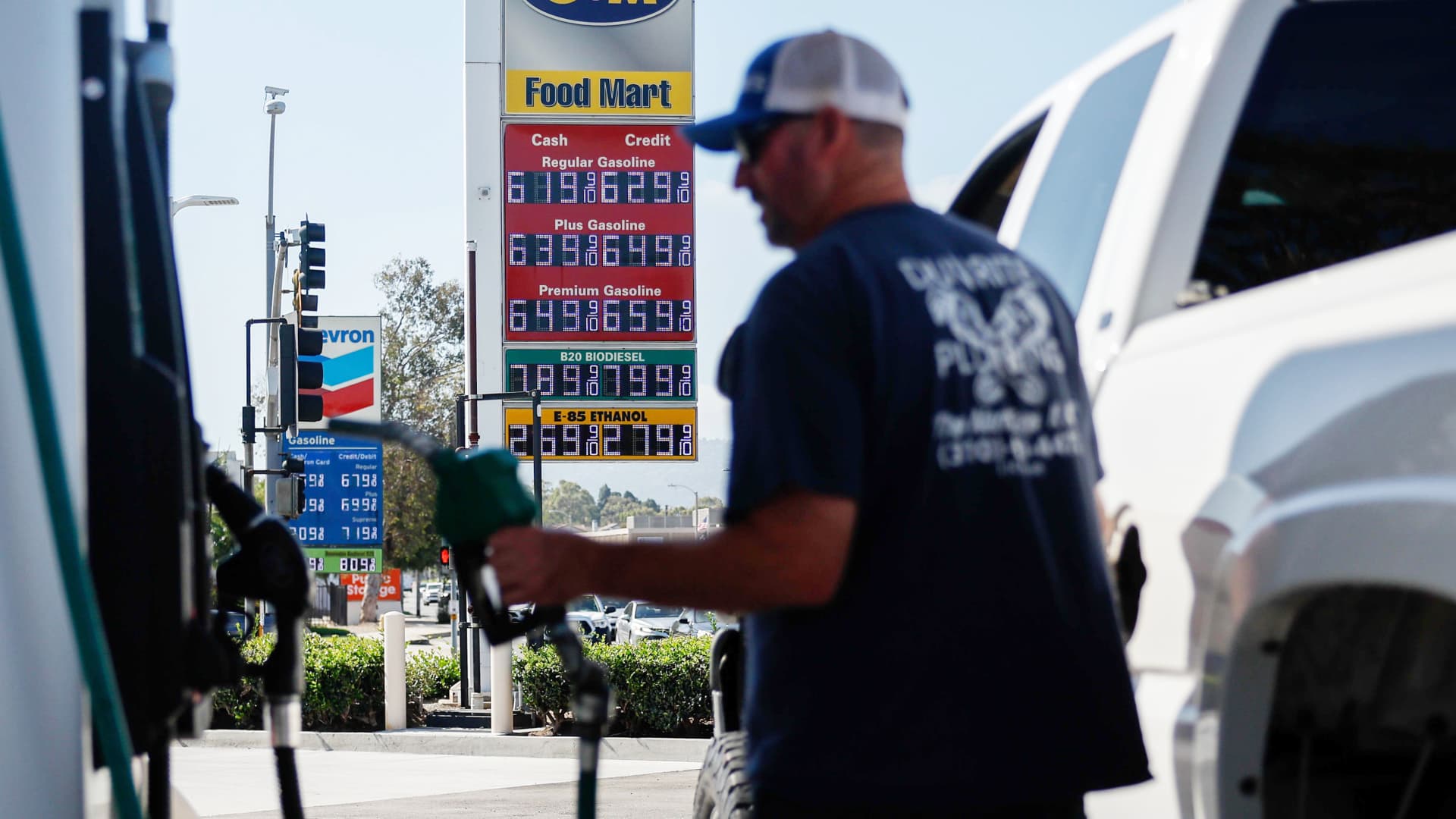
Federal Reserve officials emphasize the importance of consumer expectations as a fundamental factor influencing inflation trends. Contributing to the inflationary landscape are soaring energy prices, particularly gasoline and fuel oil. The Bureau of Labor Statistics reported a nearly 4% rise in gasoline prices for August, while fuel oil prices surged over 10%.
On the consumer front, utility companies have requested a staggering $23.1 billion in rate increases for 2026 so far, as noted by the consumer advocacy group PowerLines. Just in the third quarter, requests reached $4.5 billion—the largest amount recorded for that period. The survey conducted by the New York Fed predicts a 4.8% rise in gas prices over the coming year, reflecting a 0.2 percentage point increase from August’s findings.
Looking ahead, while market participants expect the Federal Reserve to keep rates unchanged in the short term, they are anticipating a more aggressive monetary stance in subsequent years. Current futures contracts suggest that the federal funds rate could rise to 5.58% within five years, in contrast to the current target rate of 3.75% to 4%.
Correction: PowerLines is accurately described as a nonpartisan consumer advocacy group. An earlier version contained an error in its name.
