


Financial fraud is no longer a distant problem for Kansans. It’s reaching people every day, where they live, where they shop, and where they communicate.
Older adults, working families, and individuals on fixed incomes are increasingly being targeted by criminals who are exploiting new technologies faster than existing consumer protections can keep up.
These scams range from well-known text message scams to highly sophisticated cryptocurrency schemes aimed at saving money through digital kiosks and offshore wallets. Victims are often led step-by-step by criminals, pressured to act quickly, and have little recourse once their money is gone.
For many Kansas families, the economic and emotional damage is permanent.
The scope of the problem is rapidly expanding. According to the FBI’s Internet Crime Complaint Center, Americans reported approximately $9.3 billion in cryptocurrency-related losses in 2024 alone.
Kansas has seen many of these incidents involve Bitcoin ATMs and digital kiosks located in everyday retail locations, where victims are coached to convert cash into unrecoverable digital assets in real time.
Most Kansans are familiar with toll payment scams and package delivery text scams, but the scams we’re seeing today are much more organized and manipulative. These schemes are designed to build trust, exploit fear, and move funds before victims have a chance to question what’s going on. Retirement accounts are depleted, savings are gone, and families are left without answers.
Kansas law must keep pace with this reality.
This legislative session, the Kansas Legislature is prioritizing protecting consumers from digital asset fraud through two targeted reforms aimed at stopping fraud early and reducing harm when fraud is suspected.
One of the proposals focuses on cryptocurrency kiosks and digital currency transactions. Increase oversight, mandate clear and meaningful fraud warnings, close anonymity loopholes, and introduce cooling-off periods and refund protections.
These measures are intended to give Kansans, especially seniors, a critical opportunity to recognize fraud before their savings are permanently lost.
The second proposal addresses the role of financial institutions when danger signals are present. Under current law, financial institutions often lack clear powers to suspend transactions or alert trusted contacts even in cases of potential fraud. This reform allows for limited transaction holds and reporting, allowing us to investigate potential fraud before irreparable damage occurs.
Kansas is acting to protect its residents in the face of rapidly evolving threats. We hope that federal policymakers are also addressing these issues.
We should all put consumer protection at the center of our legislative priorities.
Clear rules, strong enforcement and meaningful accountability are essential to closing the gaps that fraudsters exploit, and we are focused on laws that protect you and your family.
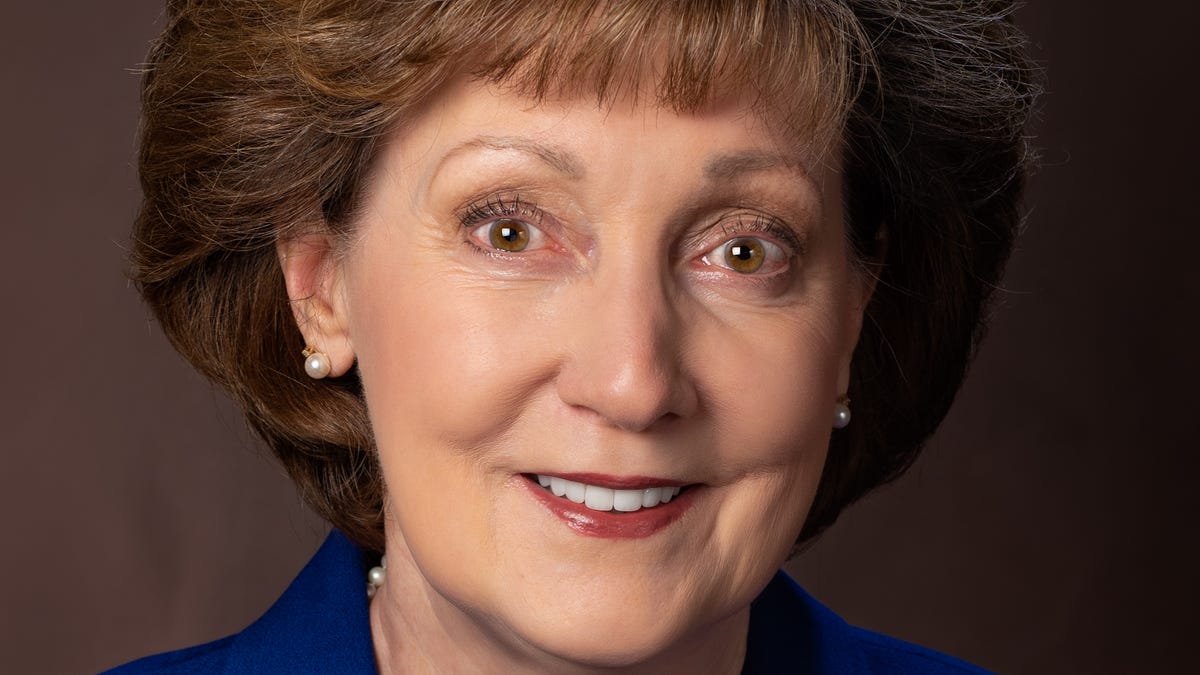
Sen. Brenda Dietrich (R-Topeka) chairs the Senate Financial Institutions and Insurance Committee.
