


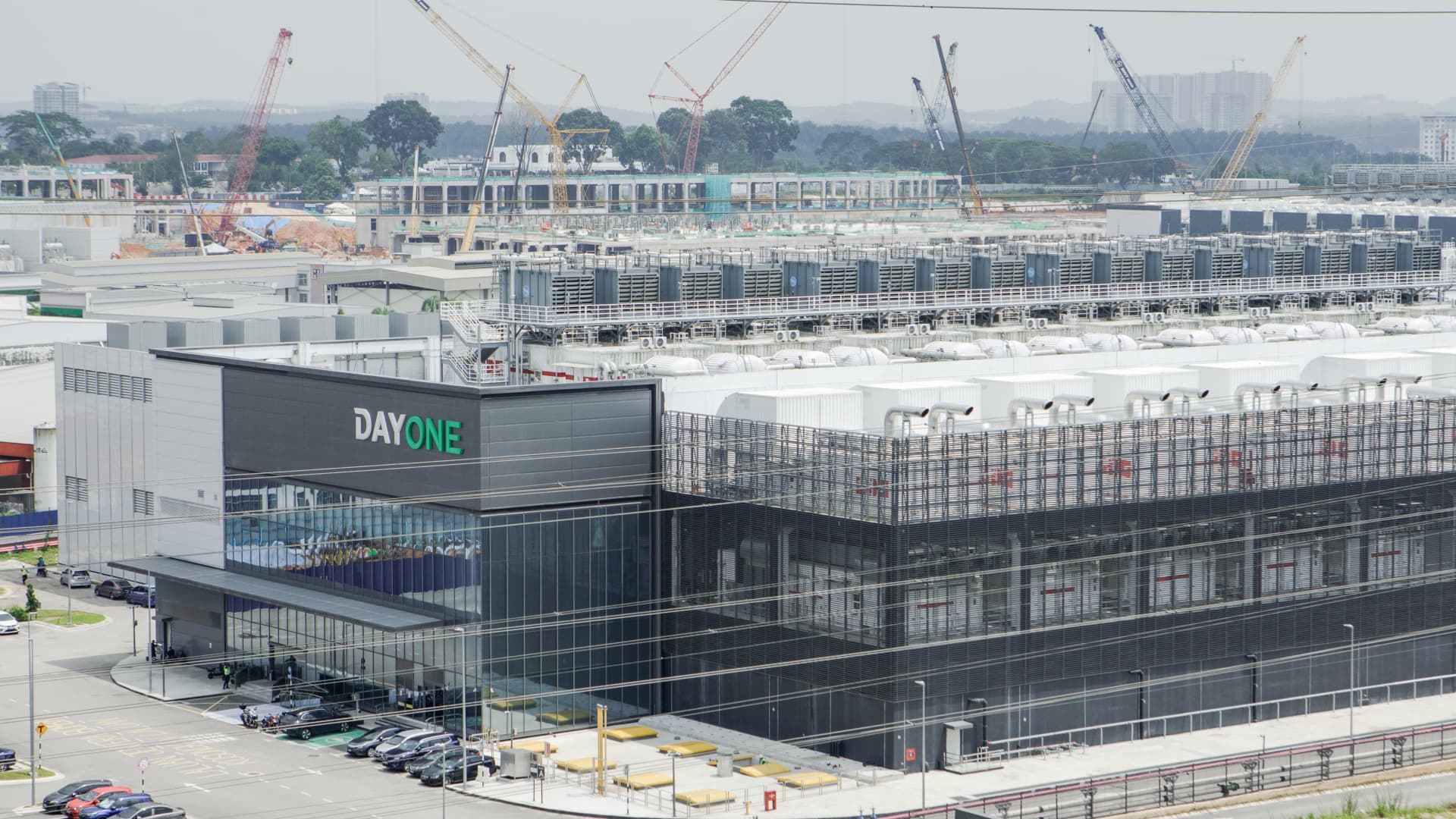
The rapid expansion of data centers in Southeast Asia, particularly in countries like Malaysia and Singapore, is now facing challenges due to new U.S. export regulations targeting advanced artificial intelligence (AI) chips. These rules, enacted by the U.S. Commerce Department, will require data centers in the region—including those in Thailand and Indonesia—to obtain government licenses when purchasing advanced AI processors such as those manufactured by Nvidia.
As the demand for data storage and computing power continues to grow in the region—partly driven by Chinese firms seeking alternatives for high-caliber computing—the new restrictions pose a significant hurdle. Current data centers servicing major Chinese clients must apply for licenses within 90 days to avoid encountering further export limitations.
Impact of U.S. Export Restrictions
The enforcement of these regulations reflects a broader strategy by the U.S. to limit China’s access to cutting-edge technology, a move that has intensified the scrutiny of data center operations that provide computing power to Chinese companies. Research from the Institute for Progress, a Washington-based think tank, suggests that by 2026, approximately 75% of China’s overseas AI computing resources may be concentrated in Southeast Asia.
Jessica Brandt, a senior fellow at the Council on Foreign Relations, indicated that these new rules would likely delay and increase the costs associated with building and managing data centers in the region. This could undermine the operational frameworks of emerging cloud providers, also known as “neoclouds,” which are designed to cater specifically to AI-driven enterprises.
Regional Economies at Risk
Among the nations in Southeast Asia, Malaysia could face the steepest consequences from the recently imposed restrictions. Analysts believe that Malaysia’s burgeoning data center market, largely fueled by its reliance on Chinese clients, may suffer significantly. Reports indicate that over half of Malaysia’s data center capacity is housed within colocation facilities that host substantial workloads from Chinese firms.
Leah Fahy, a senior economist at Capital Economics, noted that limitations on access to cloud facilities could diminish the economic incentive for further expansion, hindering investments from both Chinese and U.S. companies as the region navigates these new regulations. The anticipated slowdown in investment might even subtract around 0.2 percentage points from Malaysia’s GDP growth projections over the next few years.
Concerns in Thailand and Singapore
Thailand is also preparing for a tighter regulatory landscape surrounding the use of high-end chips in its data centers. Vice Minister Kirida Bhaopichitr emphasized the nation’s intent to closely monitor facilities that import advanced chips, ensuring compliance with U.S. standards. New construction projects that fail to secure U.S. approval for these chips could face significant hurdles.
In contrast, Singapore plans to pursue negotiations for “trusted access” to advanced AI chips, aiming to secure a pathway for its enterprises amid tightening international control. As demand for cloud-based solutions in these countries grows, local governments have indicated their willingness to adhere to U.S. regulations.
Future Landscape of Data Centers
The new U.S. rules provide an exemption for firms connected to the United States, creating a potential advantage for American companies in the competitive data center market. However, experts warn that this could lead Chinese technology firms to seek alternative computing power in the U.S. directly, rather than through Southeast Asia. This shift poses a significant risk to the region’s data center operators.
Moreover, analysts like Chris McGuire, a senior researcher at the Council on Foreign Relations, advocate for closing the loopholes that allow Chinese companies continued access to critical computing resources, warning that this could exacerbate current challenges.
As the cloud computing and AI landscape evolves, some analysts predict that portions of high-end capacity might move to other tech-centric countries such as Japan, South Korea, and Taiwan, although geographic and infrastructural constraints may limit their ability to accommodate such shifts. Furthermore, Chinese tech developers are actively seeking alternatives, reportedly attempting to procure Nvidia chips through data centers in Europe.
In conclusion, as Southeast Asia’s data center industry navigates these complex challenges, the interaction between regulatory developments and market dynamics will continue to shape the future of this vital sector.
