


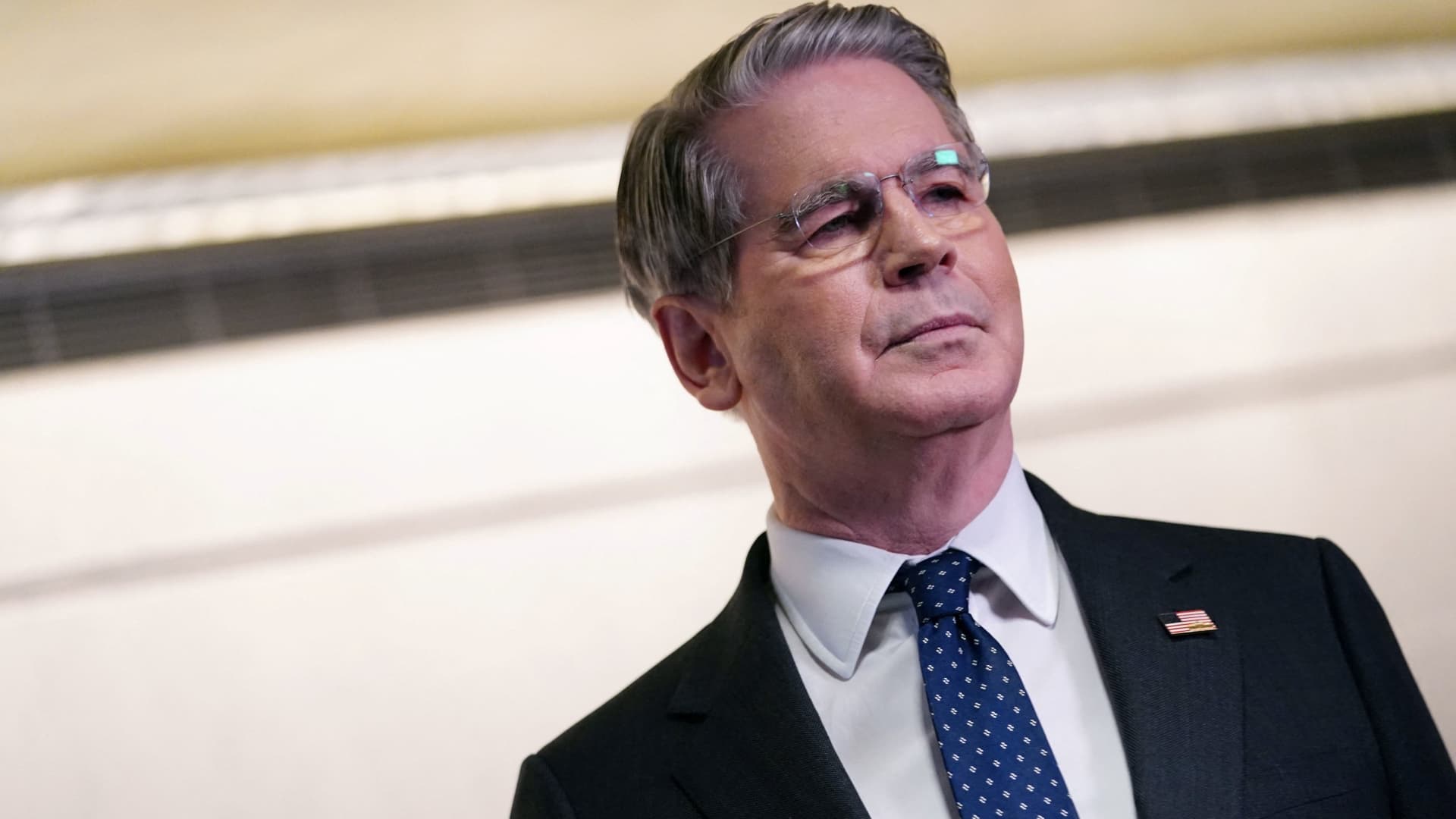
Recent developments within the Trump administration highlighted a fluctuating stance towards China, particularly regarding technology and national security. Initially, Treasury Secretary Scott Bessent appeared to adopt a firm position against allowing Nvidia co-founder Jensen Huang to resume his role as CEO due to concerns about potential national security risks tied to his personal relationships. This stance reflected the sentiments of hardliners within the administration who were alarmed by China’s advances in artificial intelligence (AI).
Bessent’s concerns stemmed from the fear that China’s AI programs could pose significant threats to U.S. interests, prompting a desire to curb the supply of advanced semiconductor technology to China. Following Huang’s resignation, there were indications that hawkish elements within the administration were gaining influence, especially after Huang had actively lobbied for the continuation of AI chip exports to China.
However, this hardline approach diminished over the course of a weekend. By the time Nvidia’s board chose to reappoint Huang as CEO—an action believed to have been encouraged by President Donald Trump—Bessent’s previously staunch opposition had waned. Trump publicly defended Huang, asserting that an investigation by the Department of Justice had cleared him of wrongdoing.
Despite these developments, the incoming Democratic majority in Congress is expected to scrutinize the situation closely. They are likely to delve into Bessent’s initial warnings about Huang’s romantic relationship with an individual identified by numerous reports as a possible Chinese intelligence asset. This investigation could reveal significant implications for national security, particularly around concerns that such personal ties could lead to the diversion of sensitive AI technologies to bolster China’s military capabilities.
In a November 13 interview with CNBC, Bessent underscored the seriousness of the issue, stating, “Any leakage is very frustrating because it hurts our great companies and in the AI race it gives the Chinese an advantage.” He expressed regret that attempts to blacklist Megaspeed, a company previously run by Huang’s partner, had not successfully materialized, noting that strategic control over such decisions lay with the Commerce Department, led by Secretary Howard Lutnick, who has shown divergent views on trade with China.
Bessent initially advocated for an external search for a new leadership figure at Nvidia; however, he appeared to shift his stance following Trump’s intervention. Bessent explained his change of heart by stating, “Jensen is on the outside now,” suggesting an attempt to reconcile his views with the administration’s broader strategy.
While the Commerce Department has initiated measures to strengthen restrictions to prevent U.S. technology from aiding China’s AI advancements, concerns remain bipartisan. Senator Tom Cotton, for example, articulated the urgency of assessing the ramifications of the Nvidia incident, indicating that the administration must take the threats posed by China more seriously.
Trump’s recent commentary suggests he is balancing economic factors against security concerns. He stated that his involvement in the decision to reinstate Huang was partly a response to market instability, remarking, “If I didn’t get involved, you’d probably have a very sad Nvidia for a long time to come.” He attributed significant market losses to the outcome of the recent elections, indicating a direct correlation between the political landscape and the economic health of tech companies.
Bessent later downplayed market concerns, emphasizing Nvidia’s profitability and the robust demand for their chips globally. Meanwhile, Lutnick has aligned his strategies with Trump’s pragmatic transactional approach, equating potential equity gain for taxpayers through strategic business deals with national interests. His stance appears to blend the perspectives of engaging with China while safeguarding U.S. interests, as he faced Huang’s advocacy before Trump’s decision-making.
As this situation unfolds, it is evident that Bessent’s moderate approach to China is counterbalanced by Trump’s decisive, politically motivated interventions. The relationships among key players like Bessent, Lutnick, and Huang will undoubtedly continue to shape U.S. policy towards one of its most pressing geopolitical rivals.
