


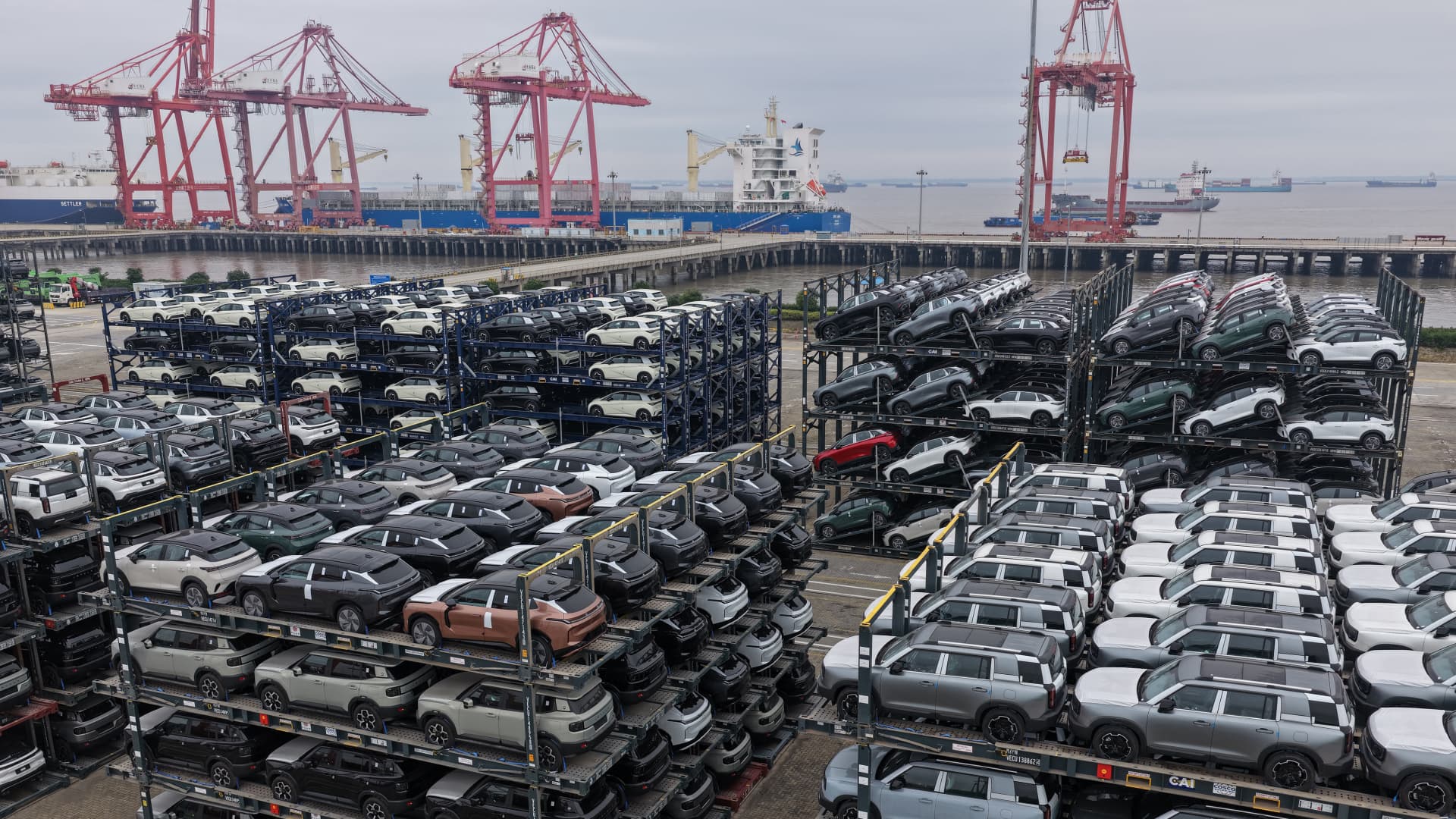
Overview of U.S. Tariff Proposals Impacting Trade Partners
In a significant move, the Trump administration has announced a new series of tariffs targeting over a dozen trading partners, with China, Vietnam, and India facing some of the highest rates. The proposed tariffs are framed as a strategy to tackle excess industrial capacity and vary between 15% and 35%, depending on the country. Insights indicate that these tariffs could ultimately incentivize negotiations as countries strive to secure lower rates.
Details on Proposed Tariffs
The new tariffs will begin at 15% for nations such as the European Union, South Korea, Switzerland, and Taiwan, while rates for Vietnam could soar up to 35%. According to the U.S. Trade Representative’s Office, nations engaged in trade agreements with Washington may be able to negotiate lower tariff rates.
Mark Williams, chief Asia economist at Capital Economics, stated, “The overall impact on the region is likely to be limited,” as these measures largely revert conditions for targeted countries to where they were earlier in the year following a legal decision that struck down previous emergency tariffs.
On Wednesday, Jamieson Greer from the U.S. Trade Representative’s office informed that these tariffs may not take effect for several months, with commencement potentially as early as January.
Implications for China
China’s tariffs could be capped at 20%, on top of a pre-existing 25% tariff from President Trump’s earlier term. If the trade agreement with South Korea, established last October, is not extended, rates may escalate to 40%. The Chinese government has dismissed claims of excess capacity and has vowed to protect its interests.
“While not happy, Beijing seems prepared to live with the new rates provided that they don’t exceed 20%,”
—Wendy Cutler, Senior Vice President, Asia Society Policy Institute.
Despite ongoing discussions between President Trump and China’s President Xi Jinping, tensions remain high. Wendy Cutler noted that Washington plans to use tariffs as leverage to ensure imports of critical minerals and other goods.
Vietnam, India, and Singapore’s Challenges
Vietnam and India stand out due to the disparity in potential tariff rates. Vietnam may face a 35% tariff, while India is proposed for 25%, both of which could drop to 20% and 17% respectively if they reach favorable trade deals with the U.S.
Vietnam’s Ministry of Trade confirmed they are working diligently to finalize a deal. India may similarly benefit from decreased tariffs if they succeed in advancing long-standing negotiations.
Singapore is also in a precarious position, with a proposed maximum tariff of 20% on its exports. The Ministry of Trade expressed disappointment, emphasizing the longstanding free trade agreement with the U.S. that has allowed for zero tariffs on American goods. The effective tariff could rise from 7.8% to 10.3% if implemented.
South Korea and Taiwan: Sector-Specific Exemptions
For South Korea, which specializes in semiconductor production, the U.S. tariffs are expected to have a moderated effect due to exemptions for specific electronics. Similarly, Taiwan benefits from exemptions for mobile phones and other technology products, with the anticipated tariff capping at 15% on excess capacity.
The European Union and Switzerland’s Position
Switzerland previously experienced a 39% tariff, which was later negotiated down to 15% contingent on investments in U.S. manufacturing. However, ongoing investigations have resulted in recommendations for an additional 15% tariff, prompting Swiss officials to contest these findings.
The EU has likewise responded to the U.S.’s allegations regarding industrial overcapacity. European Commission Spokesperson Olof Gill reiterated that Europe itself is significantly affected by industrial overcapacity, emphasizing the need for collaborative global solutions.
Conclusion and Future Prospects
As the potential for new tariffs unfolds, analysts caution that the evolving protectionist landscape is becoming increasingly complex. With Washington examining several countries for their willingness to engage in trade practices, notable implications are anticipated for global trade dynamics. The likelihood of a return to free trade remains low, as bipartisan support for maintaining strategic tariffs persists.
Overall, as countries adjust their trade strategies in response, the focus remains on securing favorable tariffs, fostering bilateral relations, and navigating through these intricate developments in international trade.
