


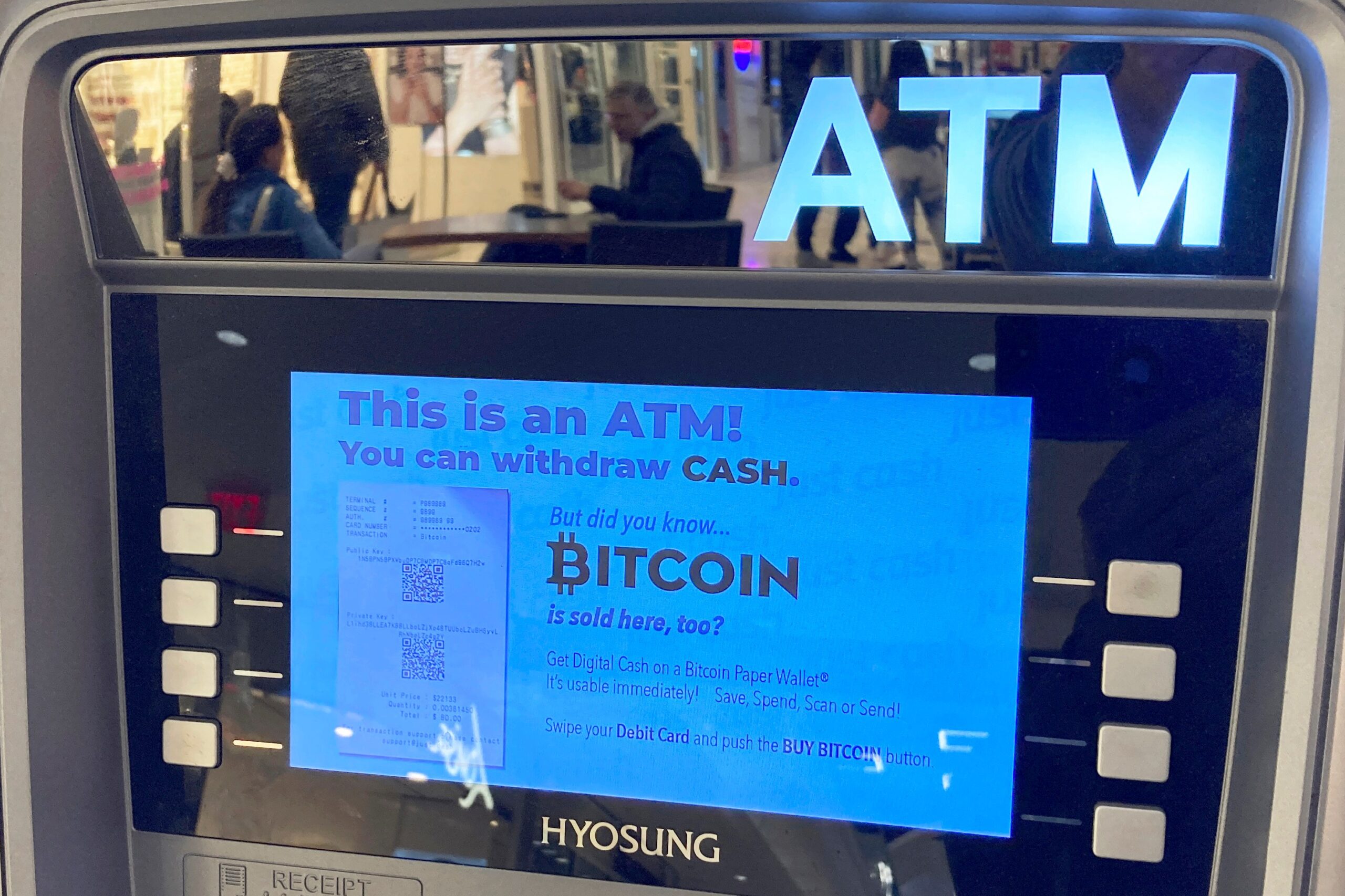
An increasing number of Americans are turning to cryptocurrency, with one in four adult Americans now owning digital assets. This trend highlights the significant role that cryptocurrencies play in the modern economy and daily life. A recent failure by the Senate to advance the Digital Asset Market Clarity (CLARITY) Act exemplifies a missed opportunity to establish essential regulations for this growing sector, potentially alienating millions of voters ahead of the upcoming elections.
Surveys indicate that approximately one-third of cryptocurrency owners utilize these assets to send money to acquaintances, while about 20% rely on them for essential expenses such as housing and groceries. Small business owners have also expressed their reliance on cryptocurrencies to sustain operations. Without clear federal regulations, many digital asset holders feel unsupported and uncertain in the current market landscape.
The CLARITY Act aimed to address these issues by instituting necessary consumer protections that are standard in other financial sectors. After over a year of bipartisan efforts to finalize this legislation, a dissenting group of senators opted to maintain the existing unstable environment for cryptocurrencies, stalling the advancement of the CLARITY Act.
The cryptocurrency community has remained engaged in the legislative process, with organizations like Stand With Crypto rallying over three million advocates who collectively reached out to Congress more than one million times to express their support for the CLARITY Act. This level of grassroots advocacy underscores how pivotal the issue is for crypto holders.
Polling in key Senate battleground states reveals that a significant portion of cryptocurrency owners are motivated to vote, with nearly 80% expressing strong intent to participate in the elections this November. Importantly, many of these individuals remain undecided regarding which party to support, as neither has gained their full trust on cryptocurrency policies. Approximately 70% of respondents stated that a candidate’s stance on crypto could influence their voting choices, while 74% indicated a preference for candidates advocating for well-defined regulations on digital assets.
As National Cryptocurrency Month unfolds, the focus shifts to November 3rd—a crucial date when voters who are passionate about digital asset policy can influence election outcomes by supporting candidates who prioritize responsible regulation over inaction. In this election cycle, Stand With Crypto has endorsed 45 candidates whose records demonstrate commitment to essential crypto reforms. The organization also maintains a Voter Hub that allows the public to review candidates’ positions based on their votes and public statements.
In summary, as the landscape for digital assets continues to evolve, the engagement of crypto voters will play a vital role in shaping the future of cryptocurrency policy in the United States. The message during this period is clear: it is incumbent upon crypto supporters to advocate for the legislative changes that will define the next era for digital assets.
Mason Lynaugh, Executive Director of Stand With Crypto/InsideSources, emphasizes the critical involvement of the cryptocurrency community in shaping policy decisions that impact their financial futures.
