


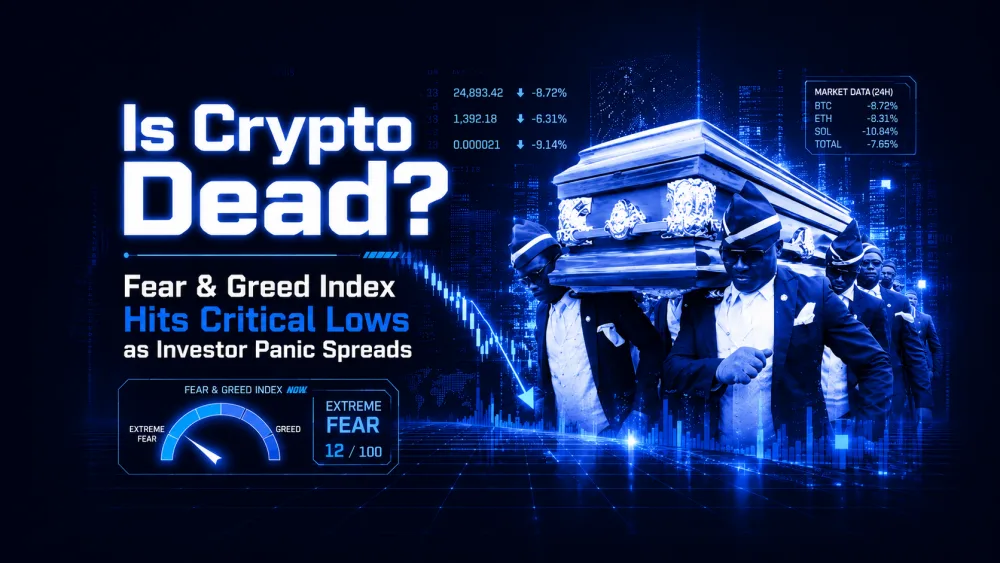
The cryptocurrency landscape has once again stirred up speculation about its viability, particularly in light of recent market downturns. As traders’ confidence dips and fear takes hold, the emotional climate within the market shifts notably. The Fear & Greed Index, a tool that gauges market sentiment, has plummeted, signaling a troubled mindset among investors. In these frantic moments, many are quick to withdraw their investments, exacerbating the atmosphere of doubt and uncertainty.
When Bitcoin experiences a downturn, it often drags Ethereum and a cadre of altcoins down with it. As prices decline, social media is flooded with dire predictions echoing the theme of last rites for cryptocurrencies. This era of fear raises a crucial question: is this dip just a blip in the routine volatility of the market, or does it signify an impending crisis?
History shows that each time cryptocurrency prices decline significantly, declarations of its demise pop up like clockwork. Previously, market downturns following exchange failures and looming regulatory scrutiny have prompted premature obituaries. Despite periodic crises, the cryptocurrency market has shown resilience by adapting even as weaker tokens inevitably falter.
Is Cryptocurrency Dead? Examining Recent Trends
As of 2026, the cryptocurrency market is again facing significant challenges, with price declines becoming frequent and trust diminishing among investors. The panic is palpable, with market headlines sounding alarms while forced selling becomes more common, stripping positions away from countless holders.
Market Sentiments Turn Bearish
The market took a sharp downturn when Bitcoin’s price fell, taking Ethereum along for the ride. A ripple effect was manifested; lesser-known tokens, including niche gaming currencies and artificial intelligence-related coins, suffered even more dramatically. The market dynamics showcase that movements in major currencies like Bitcoin (currently priced at BTC ▼$80,256.00) can lead to outsized reactions in smaller assets, especially those with less trading volume.
Recurring “Crypto Is Dead” Narratives
The cyclical nature of cryptocurrency markets means that death knells have been sounded regularly. Each cycle usually starts with an initial rise in market confidence followed by speculative excess, only to be interrupted by economic indicators triggering a sell-off. This routine invites speculation and doubt about the future of cryptocurrencies.
Impact of Social Media on Retail Investor Psychology
When market declines occur, vocal reactions dominate social media platforms, often amplifying fear. Images of depleted accounts and claims of an impending market end circulate rapidly. This communal sentiment fosters panic selling, creating a feedback loop where fear leads to more sales and further declines.
Interpreting Low Fear & Greed Index Readings
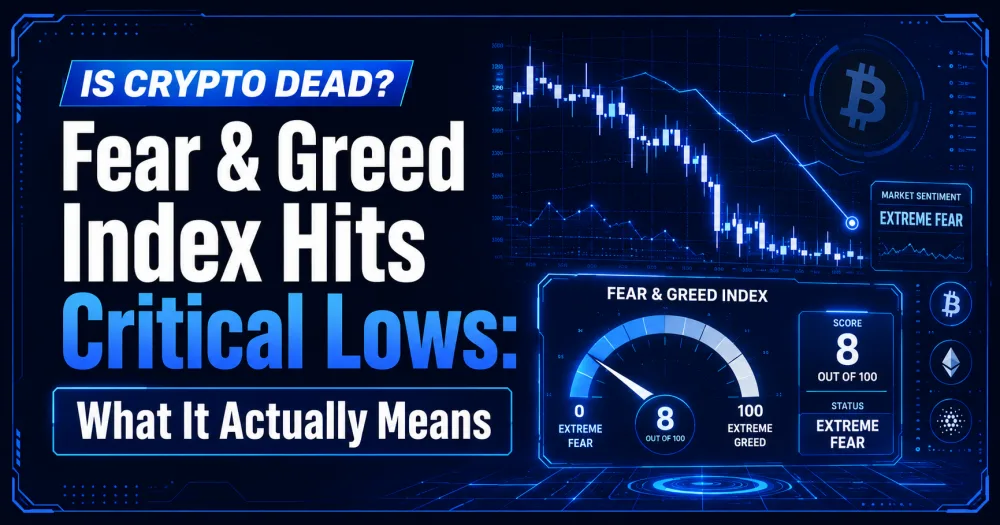
The Fear and Greed Index serves as a barometer for market sentiment. It varies based on emotional factors, often reacting swiftly to price shifts. In periods of extreme fear, trading stops or slows, leading to even greater market volatility. Such environments tend to produce prolonged selling, further entrenching negative feelings.
Understanding the Extreme Fear Zone
During extreme fear, market participants commonly hesitate to make trades. Price movements become erratic, and timeframes for recovery may stretch indefinitely as a cycle of panic takes hold.
Volatility and Liquidation Responses
In volatile markets, both sharp upswings and downturns impact the Fear & Greed Index significantly. Liquidations add pressure, as forced exits from leverage positions exacerbate selling. Automated trading algorithms may trigger additional sell-offs, further contributing to a sense of chaos.
Historical Outcomes Following Similar Market Conditions
Historically, high levels of fear in the market can precede either a swift recovery or further declines. Buyers often enter when they perceive the market is at a low point, but sustained downturns can also arise. Thus, it’s critical to analyze underlying trends beyond immediate panic responses.
Differentiating Between Market Crash and Correction
Current market conditions raise fundamental questions: Is this simply a necessary correction or indicative of a broader crisis? The answer will evolve, but the market’s existing framework will reveal underlying truths over time.
Analyzing Bitcoin and Ethereum Pressure Points
Significant price drops below key support levels for Bitcoin intensify fear among holders while concurrently applying pressure on Ethereum and the broader market. Altcoins often react violently to Bitcoin’s slides, illustrating the interconnectedness of these digital assets.
Altcoins Underperform Against Major Indices
Failing to hold their ground, altcoins typically suffer worse than Bitcoin in bearish conditions. Investors seeking stability tend to sell riskier altcoins, pushing Bitcoin’s dominance higher during downturns.
Liquidity Considerations and Structural Stability
Although a market downturn may feel alarming, the evidence suggests that current conditions might stem more from capital reallocation rather than systemic failure. A comprehensive collapse would reflect a greater crisis in which participants withdraw collectively, but the current environment points to a nuanced movement of liquidity and fresh capital dynamics.
Read more on the current narrative: “Why Is Crypto Tanking? Bitcoin and Altcoins Enter Full Panic Mode.”
Factors Contributing to Investor Panic
As pressure intensifies from various sectors, declines in prices coincide with increased liquidations, contributing to widespread market instability. Press reports tend not to clarify realities; rather, they exacerbate fear and uncertainty.
The Role of Forced Liquidations
Derivatives often amplify volatility in the crypto space. Large positions can lead to substantial price swings, precipitating forced liquidations when the market turns against them, which compounds the downward pressure.
ETF Dynamics and Institutional Caution
Large inflows and outflows through ETFs can signal where institutional interests lie. A decrease in institutional appetite can significantly impact market prices, as larger funds tend to influence trends during volatility.
Indicators of Retail Investor Capitulation
The emotional fallout from market downturns often leads to heightened capitulation among retail investors. Frustration and fear drive decisions, resulting in hastily withdrawn investments. These behaviors contribute to the prevailing downward trends unless countered by renewed buying interest.
Insights from On-Chain Data
On-chain metrics provide valuable insights into market behavior and sentiments, reflecting trends that go beyond price movements.
Exchange Inflows vs. Outflows
Increased exchange inflows often indicate a readiness to sell among holders, while outflows suggest confidence in holding positions. Additionally, the context of the movement can distinguish urgency from typical behavior.
Stablecoin Reserves and Their Implications
Movement of stablecoins is telling, as significant reserves may suggest that participants are biding their time, waiting for market dips before accumulating again. Dwindling supplies, on the other hand, could indicate diminished buying power.
The Dynamics of Whale Activities
While retail traders may panic, larger holders—often referred to as whales—can leverage downturns for accumulation. Activity levels can provide early signals about market recovery or further distress.
Contrasting Sentiment with Market Fundamentals
Fear remains prevalent among traders; however, not all sectors are similarly affected. The disparity in strengths and weaknesses highlights varying trends within the crypto ecosystem.
Price Action and Network Activity Divergence
An essential consideration is how network activity can remain robust while prices falter. High engagement levels, characterized by sustained transaction flows, suggest that although market prices may struggle, underlying activity remains steady.
Developer Engagement amid Market Disruption
Amid the turmoil, innovation persists. Many developers continue advancing projects and creating new platforms, indicating underlying industry growth despite prevailing fears.
Influences of Macro Conditions on Cryptocurrency
External factors, including changes in interest rates, currency fluctuations, and geopolitical events, play significant roles in shaping crypto market dynamics. These systemic pressures reflect a broader need for caution as the landscape shifts.
Market Trend Overview
Scenario Comparisons
| Market Trend | Crash Scenario | Correction Scenario |
|---|---|---|
| Bitcoin | Breaks major support levels | Holds key long-term zones |
| Altcoins | Heavy losses across most sectors | Sharp but uneven pullback |
| Liquidity | Buyers disappear quickly | Liquidity returns after panic |
| Sentiment | Fear keeps getting worse | Fear stabilizes after selloff |
| Recovery Signal | Weak bounces fail fast | Spot demand slowly improves |
Market reactions often correlate strongly with headlines surrounding price drops, capturing attention with alarmist messaging. Ultimately, the effect of fear-driven narratives cannot be underestimated.
Impact of Media Headlines on Retail Decisions
Reports framed around fear resonate deeply within the community, shaping behaviors and decisions amid volatility. The narrative surrounding the market is as powerful as the underlying economics at play.
Algorithmic Trading and Market Sentiment
Algorithmic trading strategies may exacerbate volatility during uncertain times, as automated systems react quickly to perceived gaps in buy or sell orders, intensifying downward movements when human traders withdraw.
Viral Narratives on Cryptocurrency Viability
Headlines proclaiming the end of crypto tend to captivate attention, especially during downturns, as skepticism often fuels the narrative. Nevertheless, the future usually entails adjustment rather than outright termination in the crypto sector.
Monitoring Key Indicators During Extreme Market Fear
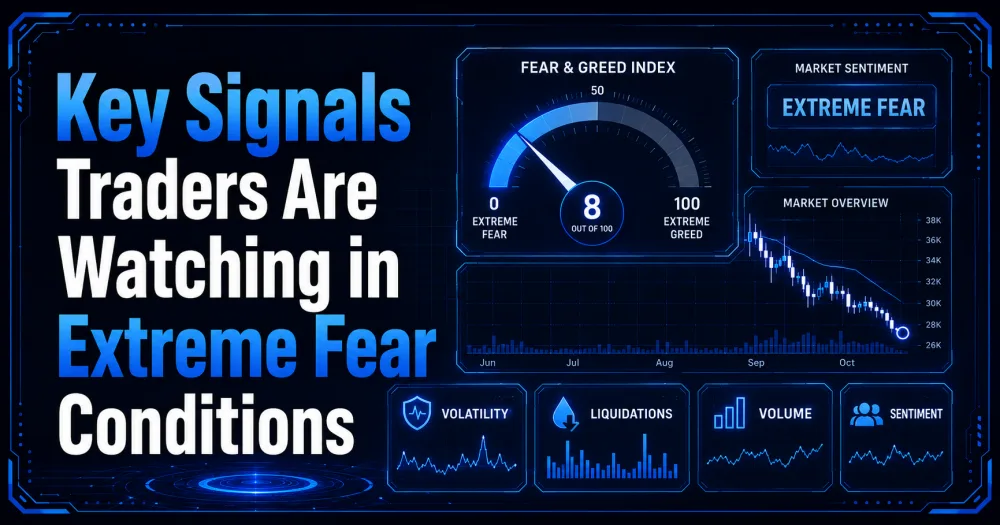
In environments marked by fear, prudent traders focus on hidden patterns rather than solely reacting to price movements. A deeper analysis of market structures can offer clarity amid the chaos.
Analyzing Negative Funding Rates
Negative funding rates can signify a crowded short position in the market. This may indicate an imminent price reversal, depending on whether buyers appear in sufficient force.
Market Depth and Liquidity Assessments
Examining market depth reveals potential volatility; shallow liquidity can allow for swift price changes with minimal trading activity. Renewed volume following a price drop may signify a return to stability.
Bitcoin Dominance and Market Trends
During bear markets, Bitcoin dominance tends to increase, suggesting a flight toward safer assets. However, signs of a reversal in this trend could indicate a broader risk appetite returning to other tokens.
Indicators of Stabilization in the Market
Shrinking candlestick patterns and decreasing liquidation levels may forecast potential stabilization. Increased spot trading often follows extreme events, as the Fear & Greed Index may stop its downward trajectory, hinting at a calming environment.
Trader Signals Overview
| Signals | Implications |
|---|---|
| Negative Funding Rates | Short positions may be overly crowded. |
| Rising Liquidations | Leverage is being forced from the market. |
| Weak Market Depth | Prices can shift rapidly with less capital. |
| Exchange Inflows | Holders might be preparing for sales. |
| Stablecoin Reserves | Indicates potential buying power on standby. |
Frequently Asked Questions
What is the Fear and Greed Index?
The Fear and Greed Index reflects market sentiment, typically influenced by emotional responses. While it highlights community feelings, it doesn’t directly predict price movements.
What does extreme fear in the index indicate?
Extreme levels of fear suggest high volatility and often coincide with potentially reduced demand from investors. It can indicate close proximity to market lows.
Is cryptocurrency still viable in 2026?
Cryptocurrency is still part of the financial landscape in 2026, though experiences of ups and downs vary across different tokens, with some showing resilience while others falter.
Why is cryptocurrency declining?
The cryptocurrency market’s decline can be attributed to several factors, including heavy borrowing dynamics, regulatory pressures, and market liquidity issues, creating a complex environment that fuels downward movement.
Why has Bitcoin’s price fallen amid market uncertainty?
Bitcoin’s decline results from multiple interconnected factors, such as trader risk aversion, mounting forced sales, and a lack of strong buying interest in the market.
Will crypto recover after this drop?
The potential for recovery hinges on various factors, including investor sentiment, market liquidity, and broader economic conditions. Even if prices bounce back, it doesn’t necessarily mean a shift in the overall trend.
