


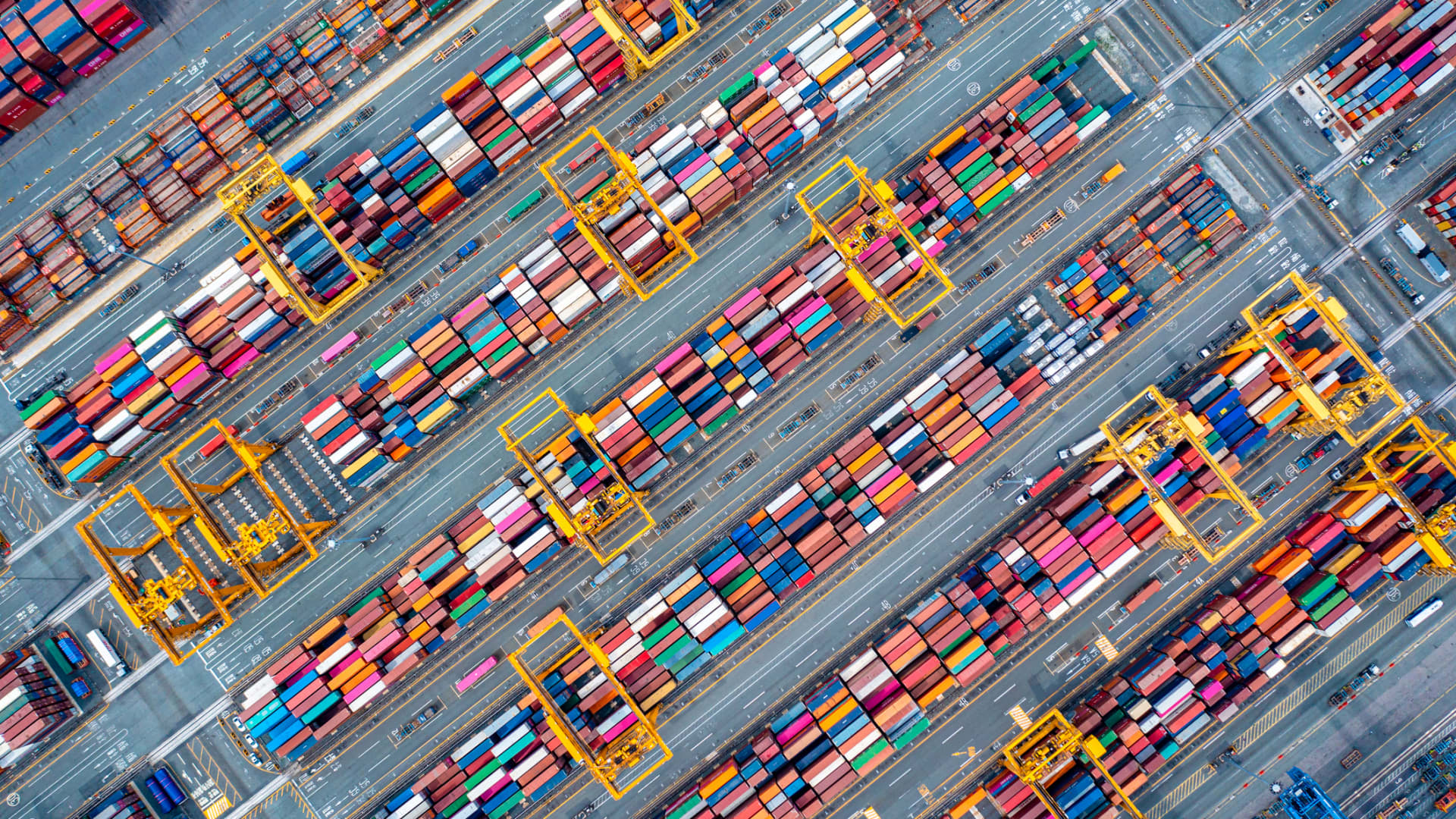
According to the South Korean customs agency, there has been a notable increase in attempts to pass off foreign products, particularly from China, as South Korean exports. This trend is likely a strategy to bypass the extensive tariffs imposed by former U.S. President Donald Trump.
Economic Projections for East Asia and the Pacific
The World Bank recently revised its economic growth forecast for the East Asia and Pacific (EAP) region, which encompasses 23 economies including China, Indonesia, Vietnam, and Thailand. The growth rate is now expected to reach 4.5% in 2023, an increase of 0.3 percentage points from earlier estimates released in April. However, forecasts indicate a gradual decline in growth to 4.4% in 2027 and 4.3% in 2028.
AI-Driven Export Growth
Significantly, the report attributes much of this growth to exports related to artificial intelligence (AI). While AI-related goods have propelled export growth—accounting for over half of the increases in most economies and soaring to more than 70% in nations like Thailand and the Philippines—the World Bank cautions that overall trade growth, excluding AI products, has been either stagnant or negative.
In the past year, countries including China, Vietnam, and Malaysia collectively exported approximately $1.4 trillion in AI-related goods, underscoring the sector’s critical role in regional economic performance.
South Korea’s Export Surge
Notably, South Korea has experienced a remarkable surge in its exports, with a staggering 83.5% increase in September, bringing total shipments to an unprecedented $120.9 billion. Semiconductor exports, particularly from two major manufacturers—Samsung and SK Hynix—dominate this landscape, constituting around 50% of the country’s total exports and representing 43% of the benchmark Kospi index’s value as of the end of April.
Risks and Vulnerabilities in the AI Market
While the booming AI sector contributes to robust economic indicators, the World Bank issued a warning regarding the potential vulnerabilities associated with this growth. The report indicates that the current reliance on AI manufacturing and exports makes the region susceptible to shifts in global technology spending. If there were to be a downturn in AI investments, it could severely impact the East Asian economies intertwined with the AI supply chain.
Current Economic Climate
The boom in AI investments is characterized by significant capital expenditure, estimated to reach approximately $2.9 trillion between 2025 and 2028. Nonetheless, transparency in financing for these projects is decreasing. As of 2025, private credit is expected to contribute $800 billion to this total, marking a significant rise in AI-related lending activities.
The dynamics of private credit market portfolios have been under pressure, exhibiting markdowns and defaults in the current year. The opaque nature of this financing avenue combined with rising interest rates from central banks poses a potential threat to the sustainability of the AI investment boom.
Conclusion
The World Bank’s assessment suggests that while the East Asia and Pacific region is experiencing substantial growth driven by AI, caution is warranted. The interdependencies created by the AI sector mean that any economic slowdown, particularly within the U.S.—where a 1% reduction in growth could result in a 0.6% dip in emerging market economies—could have reverberating effects across East Asia, given the region’s key role in the global AI supply chain.
