


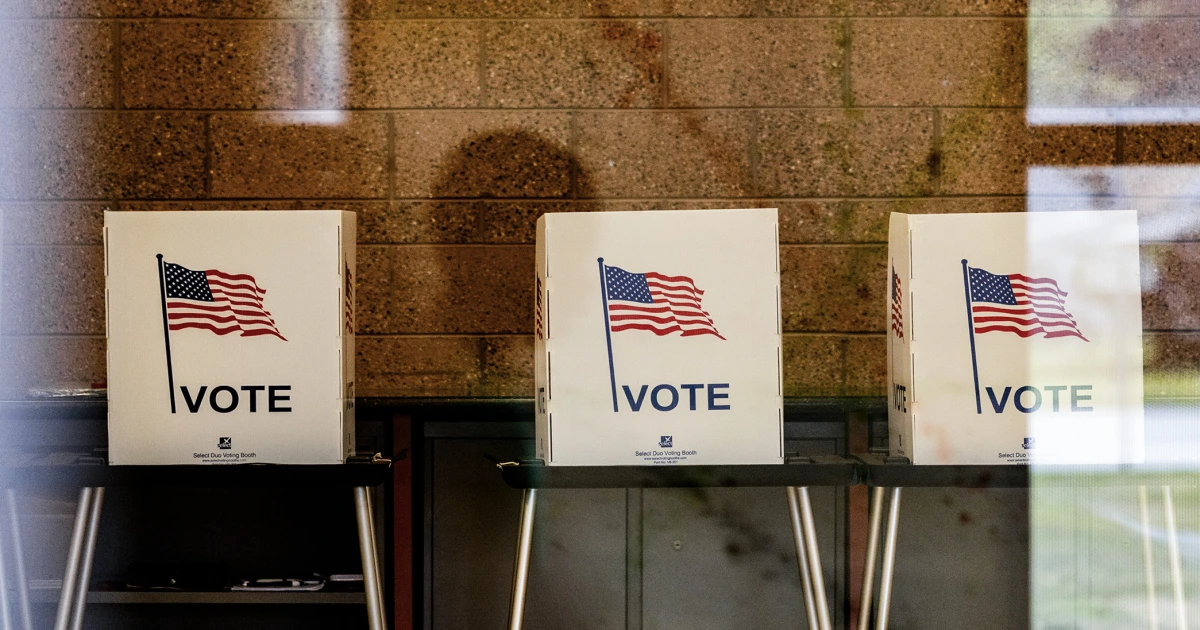
Insights from Voter Focus Groups in Michigan and Texas
Recent focus groups conducted by Syracuse University in conjunction with research firms Engagious and Sago shed light on voter sentiments following contentious primary races in Michigan and Texas. These discussions reveal the complexities voters face when deciding whether to support their party’s nominee in the upcoming general election—decisions that carry significant weight for the Senate majority.
Challenges for Candidates After Divisive Primaries
In Michigan, Democrat Abdul El-Sayed and Republican Ken Paxton from Texas are working to unify their respective parties after navigating divided primaries. Focus group participants included supporters of Democratic Rep. Haley Stevens, who lost her Senate bid in Michigan, and Republican voters who backed Sen. John Cornyn in Texas.
Discussions highlighted concerns among Stevens supporters regarding El-Sayed’s perceived extremism and his Muslim faith, with some voters expressing trepidation about his electability. In contrast, Cornyn’s supporters voiced ethical concerns about Paxton, particularly regarding allegations of corruption, but were reluctant to shift their allegiance to the Democratic candidate, fearing the consequences of a Democrat winning the Senate seat.
“I’m split down the middle. In this instance, I really feel that I am looking at the lesser of two evils and I’m not sure which that is,” said Kathleen S., a 62-year-old Republican from Comal County, Texas.
Voter Sentiment and Party Loyalty
Participants in the focus groups exhibited a range of conflicting emotions. Many users were hesitant to support El-Sayed, mostly due to fears of government overreach and ideologies they deemed radical. Conversely, Cornyn voters indicated a willingness to overlook ethical issues with Paxton, often emphasizing party loyalty over personal misgivings.
Rich Thau, president of Engagious, noted, “In Michigan, I heard undecided Stevens voters growing nervous with El-Sayed, and in Texas, I observed Cornyn voters reconsidering their support for Talarico, opting to prioritize loyalty to the GOP.” Such internal conflicts highlight the challenges candidates face as they attempt to align voters behind them leading into the general election.
Implications of Gubernatorial Races on Down-Ballot Contests
Analysis by Kristen Welker sheds light on how gubernatorial contests can impact lower-tier races. An example is Ohio Republican Vivek Ramaswamy’s controversial advertisement targeting Democratic opponent Amy Acton. The ad’s aggressive nature has drawn significant backlash from within the Republican Party, raising concerns that it could alienate pivotal female voters in other competitive races.
“The controversy could have a ripple effect downballot,” a GOP strategist observed, warning that such tactics might hinder candidates and weaken overall party cohesion moving forward.
Strategies Across Key States
The dynamics of governor’s races are proving to be a critical factor in shaping the political landscape this election cycle. In Pennsylvania, Governor Josh Shapiro’s high approval ratings as he seeks re-election may positively influence Democratic candidates in pivotal House races. His campaign’s focus on boosting down-ballot candidates includes an upcoming 10-day bus tour across the state.
Similarly, in North Carolina, former Governor Roy Cooper appears to be gaining momentum against Republican Michael Whatley, potentially aiding Democratic efforts in the region. Meanwhile, in Arizona, Governor Katie Hobbs is seen as a pivotal figure for her party as candidates in strategically important districts prepare for competitive elections.
Even in Iowa, where both Democratic Senate and gubernatorial candidates maintain strong support, Republicans are shifting their resources, indicating a responsive strategy to local electoral pressures.
Conclusion and Forward Look
The interconnectivity of gubernatorial and Senate races will undoubtedly shape the election outcome across multiple battlegrounds. As candidates prepare for the final push, the coming weeks will be crucial for addressing voter concerns and building coalitions that can withstand the scrutiny of the electorate as they head to the polls.
For further details, please refer to the original reporting and insights shared by NBC News.
