


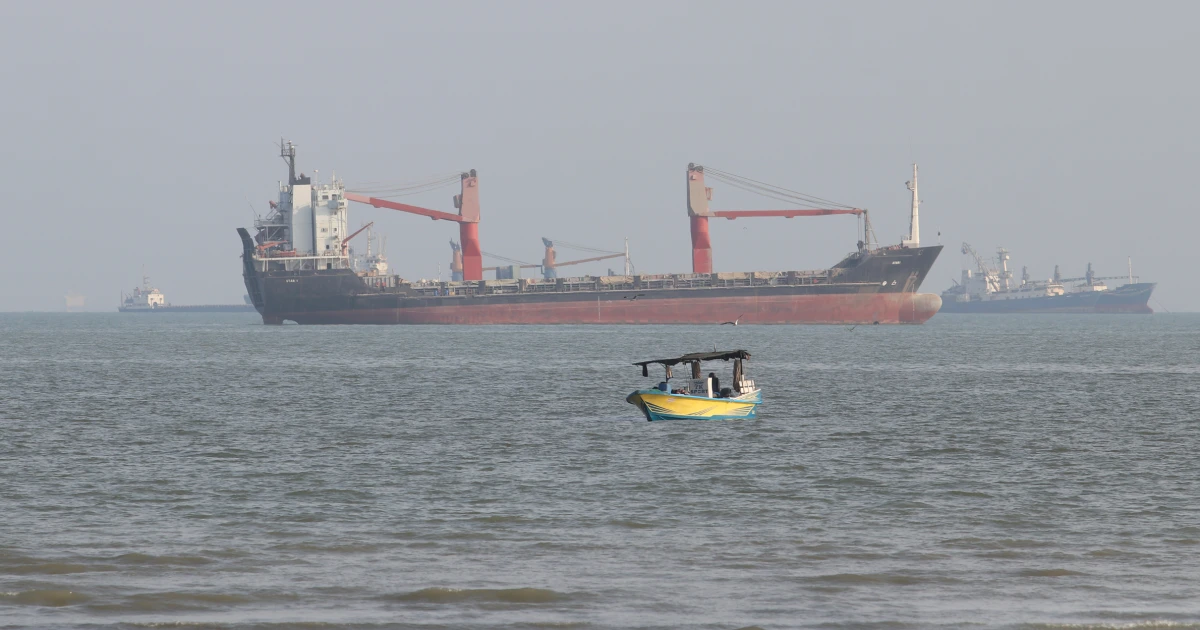
In early trading on Tuesday, oil prices experienced a significant uptick, reflecting a response from energy markets to ongoing developments in the Middle Eastern region. This surge in crude oil prices could potentially lead to increased gasoline costs in the United States, coinciding with the critical two weeks leading up to the midterm elections.
Market Dynamics and Price Changes
U.S. crude oil prices saw a notable increase, rising by 5% to approximately $109 a barrel, marking the highest level since April. Meanwhile, international Brent crude climbed by 1.5% to over $111, its peak since May. However, the initial gains moderated later in the morning as disappointing U.S. housing start data suggested a potential economic slowdown, which might curb future demand.
Additionally, advanced oil contracts for next year hit unprecedented highs, signaling a likelihood of prolonged elevated oil prices extending into 2027, according to analysts at Deutsche Bank. Peter Boockvar, chief investment officer of OnePoint BFG Wealth Partners, commented, “The 2027 contracts are moving higher as well as the possible reality of higher for longer oil prices sink in.”
Impact on Consumers and Economic Sentiment
Rising gasoline prices are increasingly becoming a focal point for voters as they approach the midterm elections, where the Republican Party’s prospects for retaining Congressional control appear uncertain. An NBC News poll indicates that 67% of U.S. adults view gas prices as a “very serious” or “somewhat serious” issue, with many stating current economic conditions have altered their spending behaviors.
At the beginning of the week, U.S. gasoline prices appeared to be lower, with the average price for unleaded gasoline at $4.28 per gallon, on track for the lowest figure in a month. Nonetheless, expectations are that this trend will reverse as the implications of rising crude prices begin to affect pump prices.
Contributing Factors to Oil Price Increases
Several elements are driving the increases in oil prices observed on Tuesday:
- The cost to charter a large tanker for oil transport through the Strait of Hormuz has surged, quadrupling since September. This increase is attributed largely to a risk premium for both crew safety and insurance.
- Data from ship-tracking organization Kpler indicates that at least 18 vessels have been attacked in the strait over the past two weeks, exacerbating fears about shipping security.
- The rising transportation costs due to these incidents are beginning to offset increases in oil supply from a growing number of vessels transiting the area.
- Increased speculation among investors suggests that following the midterm elections, there may be a higher likelihood of escalated actions against Iran, especially in light of Iranian attacks on shipping.
- Claims of strikes against military and energy targets in Saudi Arabia by Iran-aligned Houthi rebels further heighten tensions in the region.
International Military Involvement and Escalating Tensions
The United Kingdom has announced plans to deploy fighter jets over Saudi Arabia as a protective measure against further Houthi aggressions, reflecting a significant international military presence in the regional conflict.
This involvement is seen as indicative of escalating hostilities, with the potential to further impact global oil markets and regional stability.
