


The Impact of Technological Advancements on Women’s Workforce Participation
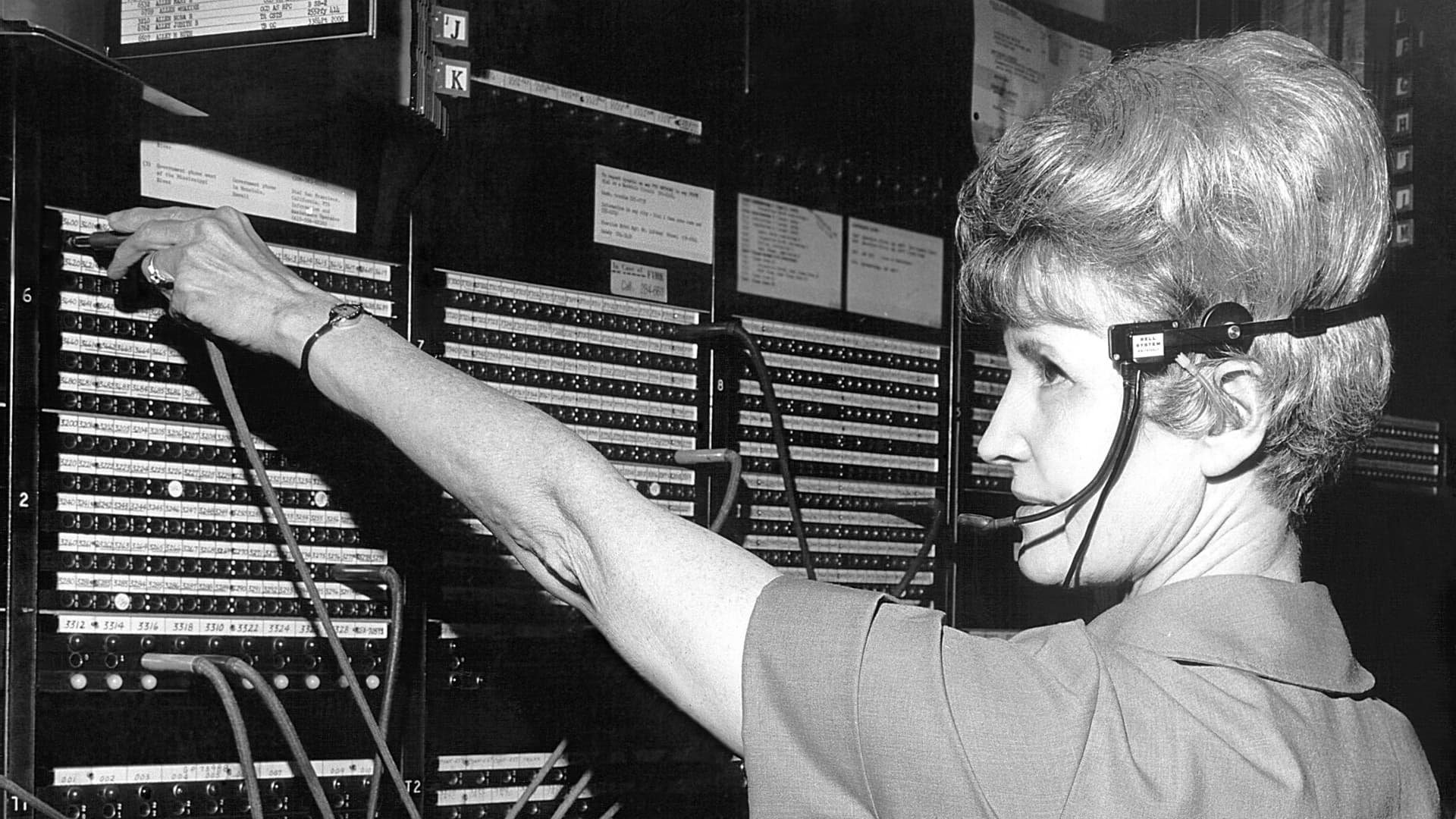
Long before the emergence of modern voice-activated virtual assistants like Siri and Alexa, there were real, often female, operators at the heart of communication systems. These women, primarily telephone switch operators, played a crucial role in managing call connections and were once among the most common occupations for young women in the United States. However, as technology evolved, this occupation disappeared, highlighting the broader implications of automation for the workforce, particularly for women.
As society grapples with the implications of artificial intelligence (AI), many are concerned about its potential impact on job security. Historical trends in technological evolution—such as the shift from manual to automated telephone systems, the rising popularity of household appliances like washing machines, and the introduction of personal computers—provide valuable insights into potential outcomes for women’s roles in the workplace.
The Transition from Operators to Automation
During the 1940s, nearly 95% of telephone operators in the U.S. were women. This occupation not only offered decent wages but also required specialized training to manage high volumes of calls. However, the introduction of automated telephone switching technology by AT&T marked a significant turning point, resulting in an unprecedented number of job losses for these skilled workers.
Research conducted by economists James Feigenbaum and Daniel P. Gross, examining census data from that era, reveals that the implementation of automated switches led to the displacement of about 75,000 operators. The shift eliminated established careers for many women, forcing them into lower-paying jobs or out of the workforce altogether.
The Consequences of Job Displacement
David Autor, an economist, emphasizes the reality that many workers invest significant time in their careers, making shifts challenging when their jobs become obsolete. “Most people are not changing careers very often… If those careers… suddenly go out of fashion, they’ll generally do something not as good,” he explains.
However, there is a silver lining. Subsequent generations of women typically fared better as they entered the workforce after the displacement of telephone operators. New research indicates that younger workers were more adaptable and often found comparable quality jobs in emerging fields, alleviating some concerns about job scarcity for future generations.
Household Innovations and Workforce Expansion
Technological advancements continued to influence women’s roles throughout the 20th century, notably with the advent of the washing machine in the 1950s. Described as “engines of liberation,” appliances significantly reduced the time spent on household chores, granting women more opportunities to engage in paid employment.
From 1950 to 1980, female labor force participation surged by over 25 million women, increasing the participation rate from 34% to 52%. As household responsibilities shifted to the market, new job opportunities in child care, food services, and clerical positions arose, supporting the expanding female workforce.
The Evolution with Personal Computers
The introduction of personal computers in the 1980s brought about another significant change in office dynamics. Before this technology, women held predominately clerical roles, with more than 98% of secretaries, stenographers, and typists being female. The new technology reduced reliance on dedicated clerical workers by allowing executives to perform tasks that were previously managed by others.
Despite these shifts, the personal computer also empowered women. Research shows that women had a higher likelihood of using computers at work when they first emerged. This technology equipped them with new professional tools, allowing to adapt and find ways to enhance their value within organizations.
Looking Ahead: AI’s Potential Impact
As we stand on the brink of a new technological wave driven by artificial intelligence, the question arises: will AI create pathways for employment similar to previous technological shifts? There is potential for AI to automate some tasks while still necessitating human involvement for higher-level functions. A 2022 study indicated that while employing software for office tasks led to a slight decrease in jobs, it resulted in increased wages for college graduates.
With more women attaining higher education and management positions than in previous decades, there is reason to believe they may be insulated from the negative ramifications of emerging technologies. However, Hegewisch warns of the unpredictability of AI, noting, “AI can learn,” suggesting a need for ongoing awareness regarding its evolving capabilities and implications.
