


Reevaluating Measles Vaccination Timing Amid Rising Outbreaks
As measles cases increase dramatically across the country, a pressing concern arises: should infants receive the measles vaccine sooner to enhance their protection? This question is especially pertinent as outbreaks extend beyond isolated communities into the broader population.
Concerns from Healthcare Professionals
Dr. Kristen Panthagani, an emergency medicine specialist from Connecticut, recently expressed her unease regarding her 6-month-old son, who remains too young for the measles-mumps-rubella (MMR) vaccination, typically administered after the first year. “He’s in a tricky period when it comes to measles,” she noted on her public health blog, “You can know things.” She highlights her son’s vulnerability during this phase when he may lack sufficient protection against measles.
The Waning of Maternal Antibodies
New findings challenge the longstanding belief that infants are generally shielded from measles through maternal antibodies for the first six months. Research led by Dr. Buddy Creech, a pediatric infectious disease specialist and head of the Vanderbilt Vaccine Research Program, indicates that by four to six months, most infants have likely lost the protective antibodies they receive from their vaccinated mothers. “This changes the timeline for when we should consider vaccination,” Creech remarked.
Current Vaccination Protocols
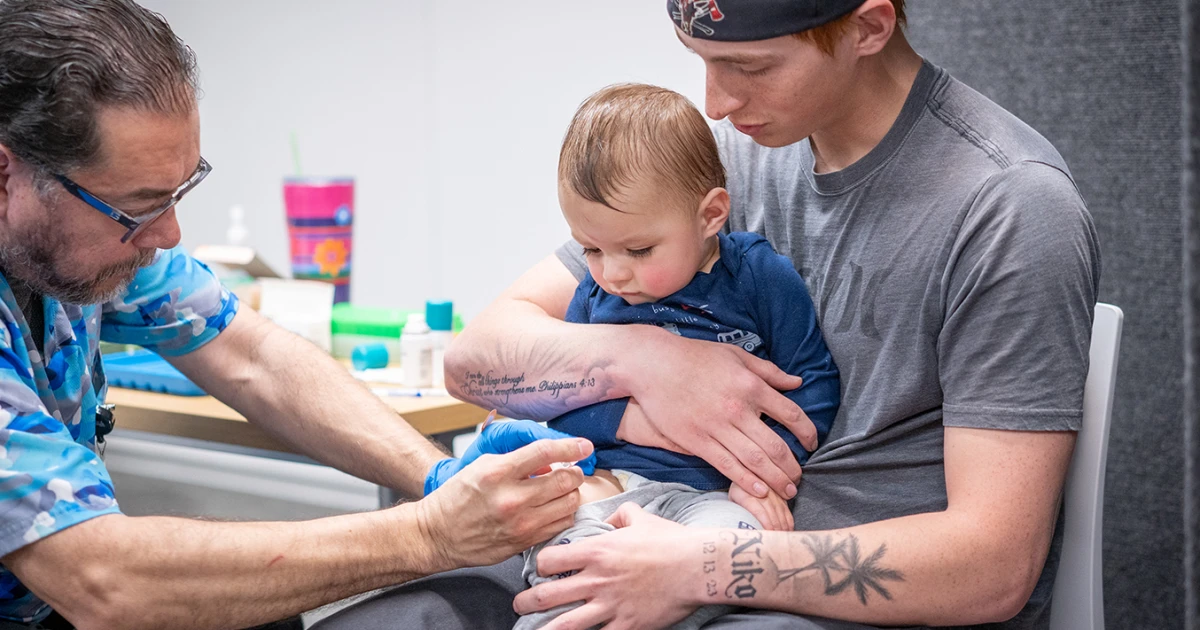
Traditionally, children are advised to receive their first MMR vaccine between 12 and 15 months, followed by a second dose between ages 4 and 6. However, the CDC permits an early or “zero” dose for infants aged 6 to 11 months in outbreak areas, providing them with crucial immunity ahead of the standard schedule. Additionally, toddlers who have already received their first dose may get their second shot 28 days after their first for enhanced defense.
Impact of Recent Outbreaks
The urgency for reassessing vaccination strategies grows as outbreaks increase. The Centers for Disease Control and Prevention (CDC) has reported over 5,800 cases of measles this year, although the actual number may be much higher. Notably, more than 1,000 cases have involved children under age 5, with 17% requiring hospitalization. While most children recover without complications, recent trends indicate more severe outcomes, including pneumonia and brain inflammation.
The Zero Dose: Pros and Cons
Data from the Vaccine Integrity Project, affiliated with the University of Minnesota, indicates that administering the zero dose is effective, showing a 58% efficacy rate between 6 and 9 months and 83% between 9 and 11 months. Although common side effects, such as fever, are comparable in younger and older infants, there are concerns about how this early vaccination may affect future immune responses to routine doses.
Ongoing Discussions Among Experts
The increasing incidence of measles poses a significant public health challenge, prompting discussions among pediatricians and vaccine policy experts. Dr. Deanna Behrens, a pediatrician in Chicago, affirmed, “We are on high alert,” acknowledging that experts are currently evaluating existing guidelines. The American Academy of Pediatrics (AAP) plans to reassess its vaccination recommendations early next year.
Recommendations and Future Considerations
As health officials consider potential adjustments to the vaccination schedule, experts like Dr. Peter Hotez stress the necessity of addressing these emerging issues thoroughly. The CDC has yet to signal any immediate changes to its vaccination guidelines, but experts are mindful that protecting the most vulnerable populations, particularly infants, must remain a top priority.
For parents, the rise in measles cases underscores the importance of staying informed about vaccination guidelines and the implications of local outbreaks. With ongoing research and discussions, health authorities aim to find the best ways to safeguard public health while ensuring that children receive timely immunizations.
