


Exploring the Impact of Divided Government on Legislative Outcomes
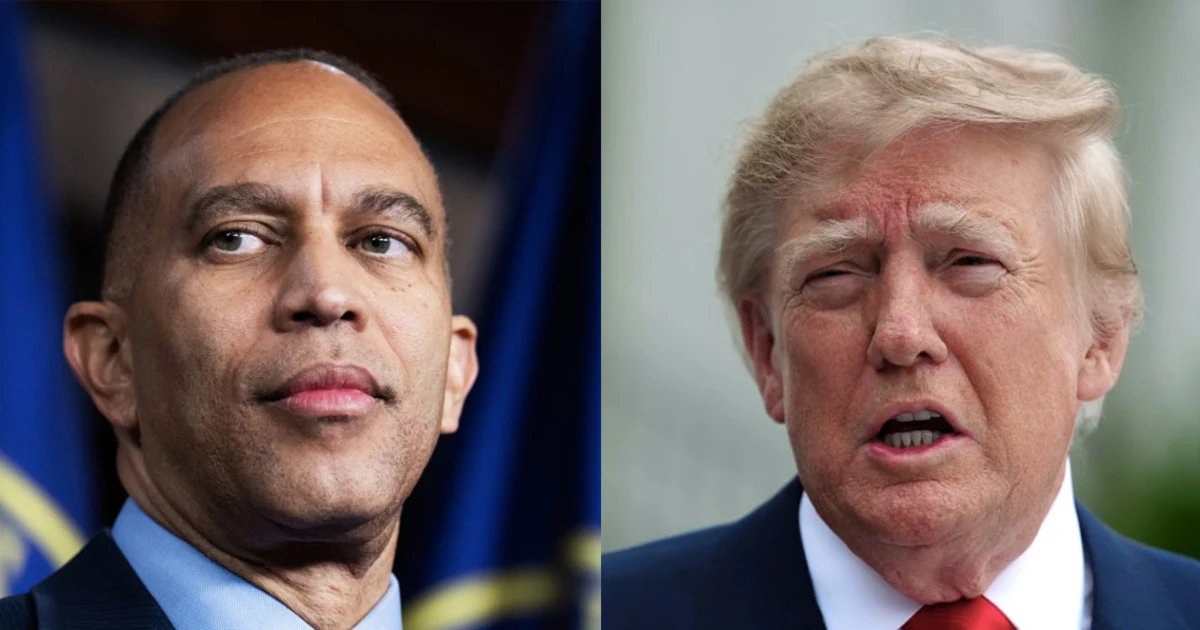
As Democrats set the stage for significant majorities in both the House and Senate next January, the central question emerges: What meaningful policies can they enact with President Donald Trump remaining at the helm? The subsequent inquiry revolves around accountability—if progress stalls, which party will bear the brunt of voter dissatisfaction?
Historical trends suggest that, rather than punishing the party that achieved a midterm election victory, voters are more likely to hold the incumbent president’s party responsible when they perceive a lack of progress. A closer examination of the last three presidential elections offers insights into this dynamic.
Historical Context and Legislative Productivity
The 2014 midterm elections saw Republicans gain a Senate majority alongside an expanded House majority during President Barack Obama’s administration. Despite this, Congress enacted only 172 substantive bills, significantly below the average of 236 in the preceding four decades. Key legislative actions included transportation initiatives and revisions to education and healthcare policies, yet the period was marked by considerable partisanship, culminating in Speaker John Boehner’s resignation. Interestingly, Republicans faced no electoral backlash; instead, they secured a trifecta in the 2016 presidential election with the rise of Trump.
Fast forward to the 2018 midterms, where Democrats reclaimed control of the House amid an ongoing Republican Senate majority. During this session, Congress produced a mere 150 substantive bills, spurred by contentious events such as a government shutdown and Trump’s initial impeachment. Again, Democrats weathered the storm well, gaining full power in 2020 with Joe Biden’s election.
The 2022 midterms introduced another shift, with Republicans regaining control of the House while failing to capture the Senate. This period delivered just 84 substantive bills during their congressional tenure, including critical agreements following a contentious debt ceiling crisis. Internal party strife led to the ousting of Speaker Kevin McCarthy, yet Republicans faced minimal electoral consequences; they managed a trifecta with Trump’s return in 2024.
Notably, as of 2026, a formidable Democratic majority emerged, a reflection of voter sentiment linking Trump’s administration to unmet economic expectations. How the Democrats navigate the next two years will be pivotal; the current congressional landscape compels both parties to cooperate in order to achieve legislative progress, as historical patterns indicate that voters tend to penalize the party in power for perceived inaction and legislative paralysis.
Democratic Outlook and Upcoming Elections in the South
Looking forward, the 2027 governor’s races in states like Mississippi, Louisiana, and Kentucky present critical opportunities for the Democrats to strengthen their foothold in the South. Following notable electoral gains this year—including Senate victories in Mississippi and South Carolina and governorships in Texas and Georgia—Southern Democrats are advocating for increased party investment in the region. Kentucky Governor Andy Beshear, who previously chaired the Democratic Governors Association, emphasized the evolving competitive landscape for Democrats in the South, countering long-held perceptions of neglect from the national party.
The 2023 races presented challenges, with candidate Brandon Presley narrowly defeated by Republican Tate Reeves in Mississippi, while former Republican Governor John Bel Edwards enjoyed two successful terms prior to a Republican victory in Louisiana in 2023. However, significant progress has been evident with the recent election of Democrat Scott Colom in Mississippi, marking a historic Senate victory, and Jamie Davis’s commendable performance in Louisiana.
Conclusion
As the political scene evolves, the onus rests heavily on Democrats to deliver substantive legislation and respond to voter expectations. The interplay of divided government dynamics across the past several election cycles reveals that failing to achieve tangible results frequently invites electoral repercussions—but historical trends also indicate a complex relationship between party control and voter sentiment. How both parties navigate these upcoming challenges will likely shape the electoral landscape for several years to come.
