


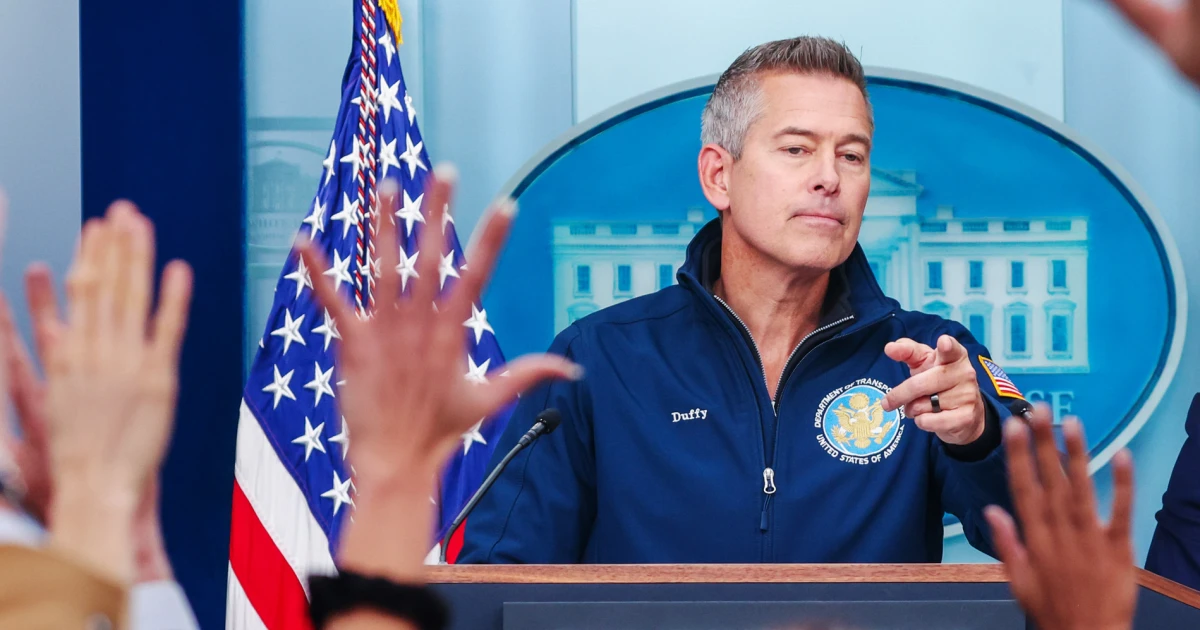
The Trump administration’s recent proposal to secure $50.1 billion in Federal Aviation Administration (FAA) funding has sparked considerable debate on Capitol Hill, eliciting skepticism from both Republicans and Democrats.
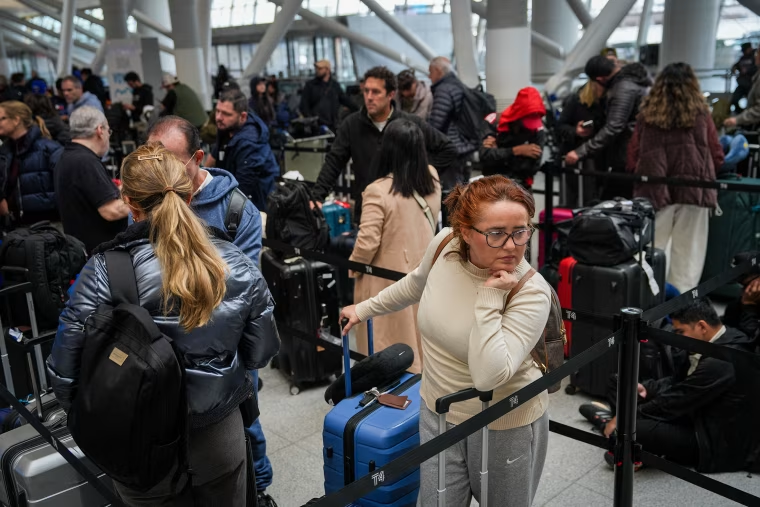
Originally, the funding request stood at $30 billion, but following a significant nationwide ground stop, which resulted in extensive delays and cancellations impacting thousands of flights, the figure was revised upwards. This change was formally communicated in a letter dated Tuesday, co-signed by Transportation Secretary Sean Duffy, FAA Administrator Bryan Bedford, and White House Budget Director Russell Vought.
In the letter, Duffy insisted that the additional funds were critical for developing a modernized air traffic control system. However, he refrained from taking responsibility for the recent air travel disruptions, attributing the issues to decisions made by his predecessors and Congress.
Duffy’s briefing with Senate Republicans was reportedly heated. According to an unnamed source, several Republican senators expressed their frustrations directly to him during the session. Following the meeting, Duffy and Senate GOP leaders gave separate press briefings, indicating the contentious nature of their discussions.
Senate Majority Leader John Thune, a Republican from South Dakota, acknowledged the importance of air travel safety but did not commit to the total funding request. He remarked that while support for safer skies was essential, the exact financial need warrants further examination: “We will see what the traffic will bear, what’s achievable,” Thune stated.
Despite the urgency of the matter, Duffy chose to meet only with Republican senators on this occasion, which raised questions about bipartisanship in the funding process. Democrats, particularly, expressed a desire for more transparency, especially as the existing $12.5 billion previously approved for air traffic control improvements remains largely unspent.
Senate Minority Leader Chuck Schumer from New York articulated the Democrats’ concerns, suggesting that the request seemed excessive and that more clear justifications were needed: “At his first press conference, all Duffy did was attack Democrats,” Schumer noted, indicating skepticism over the administration’s funding strategy.
Faced with questions regarding the necessity and timeline of the funding, Duffy insisted that the prior allocation was inadequate for addressing the specific upgrades required to enhance air traffic control capabilities.
Multiple Democratic lawmakers have voiced their frustration over the timing and amount of the funding request. Senator Brian Schatz from Hawaii highlighted that while he supports investing in air traffic control, the proposed figure felt arbitrary: “$50 billion sounds like an awfully round number.”
The funding request is entangled in broader negotiations about government spending, with a looming December 11 deadline to reach an agreement to prevent a shutdown. Congress faces various options, including reaching a consensus on a new funding bill, utilizing temporary measures, or risking a government shutdown.
Senator Bernie Moreno, a Republican from Ohio, emphasized the nonpartisan nature of air traffic control funding and stressed the need for responsible budgeting in ensuring any necessary financial support is secured.
Amid these discussions, the Senate is also exploring a potential reconciliation bill that could facilitate military funding without Democratic votes. This potential route could complicate the deliberations, especially regarding budget approvals before Republicans potentially lose their majority control of Congress.
Duffy stated his openness to bipartisan dialogue, having engaged with Democratic lawmakers previously, despite focusing solely on Republicans during his latest outreach. “I’m not going to tell them how to do their work, but I’m telling everybody what we need,” he said, indicating his willingness to collaborate on finding solutions.
House Minority Leader Hakeem Jeffries, from New York, who is likely to become the next House Speaker, emphasized the necessity for clarity regarding past outages and the root causes of recent disruptions. He expressed concern about whether these incidents were linked to infrastructural weaknesses or if they stemmed from other issues, calling for a thorough briefing on the matter.
Outgoing House Speaker Mike Johnson, a Republican from Louisiana, affirmed his party’s commitment to collaborate with the administration to fund the FAA’s priorities, reiterating the significance of the previous allocation which remains underutilized without outlining specific timelines for future funding initiatives.
