


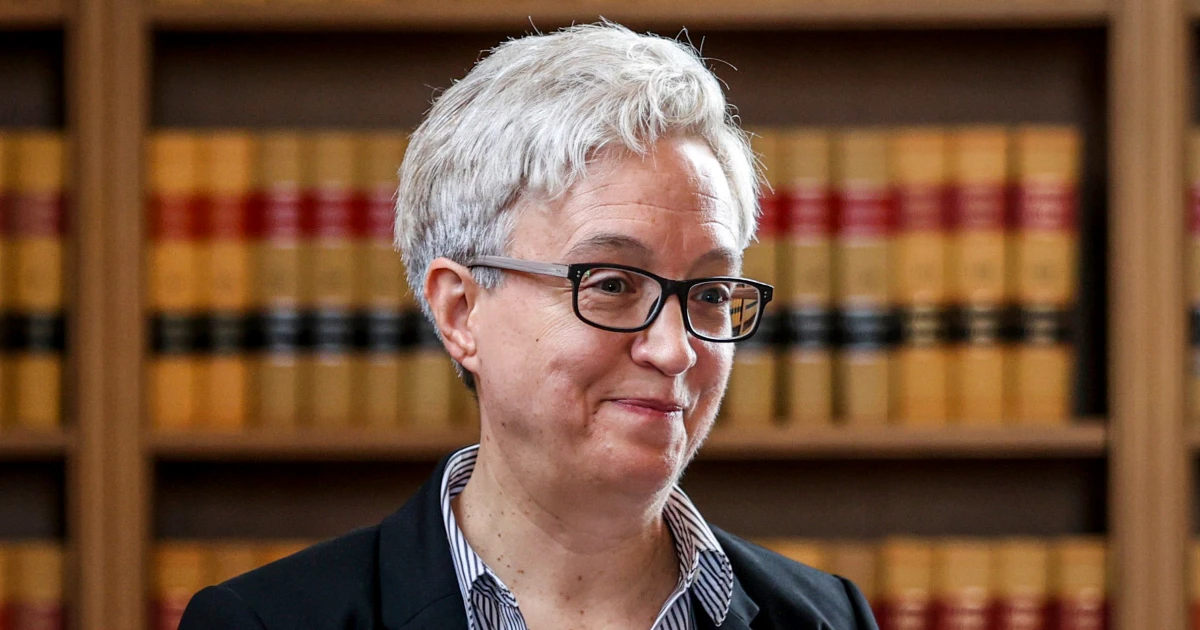
The gubernatorial race in Oregon results in the re-election of Democratic Governor Tina Kotek over Republican state Senator Christine Drazan, as projected by NBC News. This election marks a rematch from the previous year, where Kotek narrowly defeated Drazan by a margin of just 4 percentage points in a state that traditionally leans Democratic.
Kotek’s campaign faced challenges, especially with her approval ratings suffering due to voter concerns over cost-of-living issues and the homelessness crisis in Oregon. Drazan capitalized on these concerns, criticizing Kotek’s handling of tax policies and her approach to the rising number of data centers in the state. A report from the Pew Research Center earlier this year identified Oregon as one of the leading states for planned data center developments. In response to growing public concern, Kotek proposed a statewide moratorium on new data center projects in September.
Campaign Strategies and Key Issues
Throughout the campaign, Kotek aimed to associate Drazan with former President Donald Trump, particularly highlighting Trump’s poor performance in Oregon during the 2024 election, where he lost the state by 14 percentage points. Kotek emphasized the potential risks of electing Drazan, saying, “So Christine Drazan has said, ‘Take a risk, vote for me.’ But if we look at her voting record and we look at who she listens to, that would be a risk that I don’t think we should take as a state.”
In the debates, Drazan attempted to shift the focus onto state affairs and affordability, asserting that Kotek’s solution to the state’s challenges was to impose new taxes. She argued, “Kotek solves every single challenge that she sees, every single problem in the state of Oregon, with a new tax.” Despite her efforts to distance herself from Trump, the association proved challenging in a state where his influence was generally perceived negatively.
Historical Context
Oregon has not elected a Republican governor since 1982, making Kotek’s victory part of a continuing trend in Oregon’s political landscape. She made history during the 2022 election by becoming one of the first openly lesbian governors in the United States, alongside Massachusetts Governor Maura Healey. Earlier in her political career, Kotek also broke ground as the first openly lesbian speaker of a state House in 2013.
Conclusion
As Kotek begins her new term, it remains to be seen how she will address the pressing concerns of voters regarding economic challenges and housing issues, amidst a backdrop of political rivalry and evolving state dynamics.
