


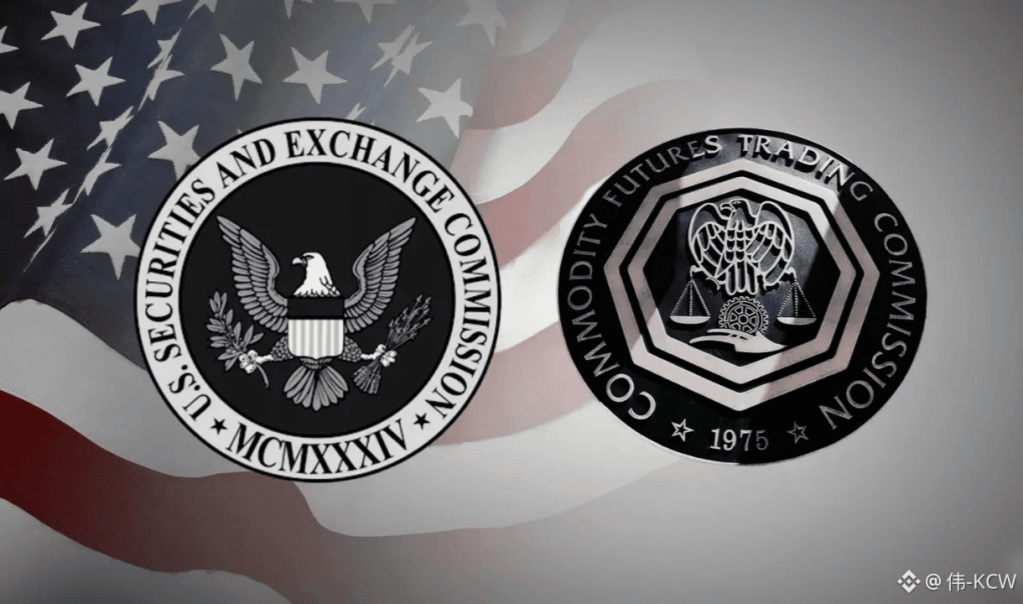
As the U.S. midterm elections proceed, significant implications for cryptocurrency regulation are anticipated, particularly with the future stability of control over Congress. Maylea Ma, who serves as deputy general counsel at 1inch, has expressed that the next wave of regulatory developments in the cryptocurrency sector is likely to originate from federal agencies rather than legislative actions from Congress.
The stalled progress of the CLARITY Act—aimed at providing clearer regulation for digital assets—raises questions about its future viability following the elections. Ma notes that real progress regarding U.S. digital asset policies is expected to stem from the activities of regulatory bodies such as the Securities and Exchange Commission (SEC), Commodity Futures Trading Commission (CFTC), and the Treasury Department. “The long-term goal, of course, remains a statute that cannot be reversed every time a government changes,” said Ma, underlining the need for durable legislative solutions.
This atmosphere of uncertainty has also created concern among institutional investors. Michael Ho, co-founder of D3, a team behind Doma Protocol, emphasized that with the market structure bill in limbo, the regulatory landscape continues to depend on agency guidance that may be subject to change with future administrations. He stated, “Whatever the result, clear rules written into law are what will bring institutional capital into tokenized real-world assets.”
Meanwhile, the SEC has been actively proposing guidelines to shape the landscape for crypto fundraising. In August 2026, the SEC put forth a framework that included exemptions for select token offerings and safe harbor provisions to distinguish certain tokens from investment contracts. They also updated guidance regarding aspects like token buybacks and staking receipt tokens in September 2026.
Similarly, the CFTC took steps to define the regulatory framework for the crypto market by submitting a regulatory plan to the White House shortly after the Senate’s failure to advance the CLARITY Act. This document is part of the ongoing efforts by federal agencies to establish comprehensive regulations that can sustain the evolving digital asset ecosystem.
The midterm elections, held on November 3, 2026, could potentially alter congressional priorities and impact the legislative landscape for cryptocurrencies. However, it is critical to acknowledge that federal agencies already possess the authority to establish regulations under their existing mandates.
Despite this potential for agency-led reforms, there are significant concerns within the cryptocurrency sector regarding the sustainability of these changes. The specter of renewed enforcement-driven policymaking remains a worry among crypto firms, highlighting the need for clear, consistent regulations to foster innovation and prevent the migration of investment offshore.
While the regulatory framework continues to evolve, executives in the cryptocurrency industry are anticipating the establishment of clearer guidelines governing aspects such as digital asset trading platforms and non-custodial protocols. The outcome of the current elections may significantly shape both legislative direction and the regulatory environment within which U.S. digital asset businesses operate going forward.
For continuous updates on regulatory developments in the cryptocurrency space, stay connected with authoritative channels.
