


Challenges and Trends in the Global Automotive Market
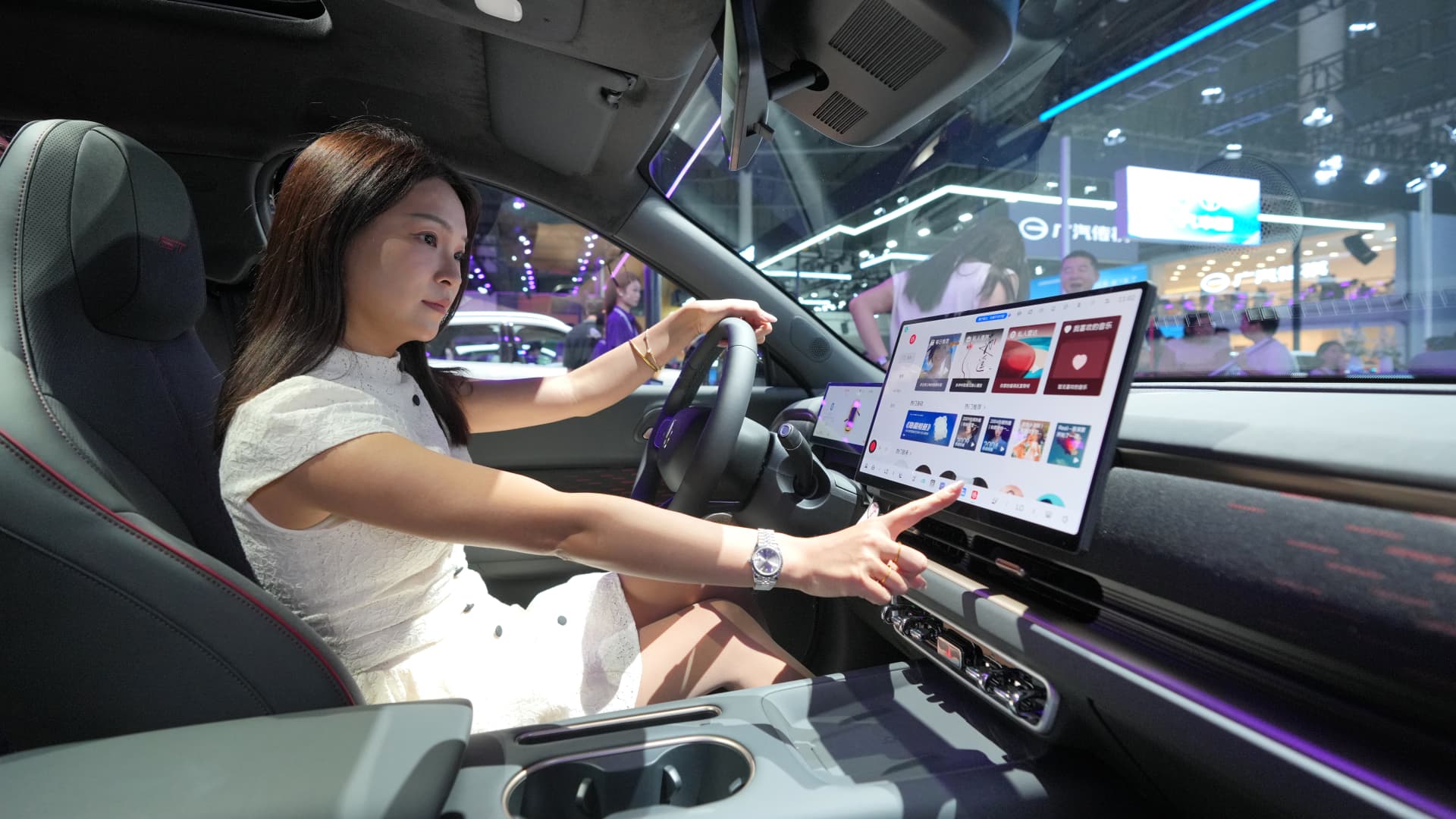
The 29th Chengdu International Automobile Exhibition, held in August 2026, showcased approximately 1,600 vehicles from nearly 120 automobile brands at the China Western International Expo City. The exhibition’s theme, “Leading the Trend, Moving Towards the New,” reflects the evolving preferences of consumers, particularly in China, where there is a significant demand for innovative technology paired with competitive pricing.
Shifting Consumer Preferences in China
According to a recent report by Bain & Company, Chinese consumers prioritize technological features over price when choosing vehicles, with 58% considering these aspects pivotal in their purchasing decisions. This contrasts sharply with consumer attitudes in the U.S. and Europe, where pricing remains paramount, affecting approximately 68% and 62% of buyers, respectively. Nonetheless, affordability remains crucial for Chinese customers, driven by fierce local competition among automakers.
“Competitive price is basically a precondition to be in consideration of the customer,” said Klaus Stricker, leader of Bain’s Global Automotive & Mobility practice.
The Future of Western Automotive Markets
Stricker also indicated a potential shift in Western markets towards similar consumer behavior. He forecasts that competitive pricing will become a standard expectation, with technological advancements playing a more significant role in purchase decisions. This is underscored by the growing influence of Chinese manufacturers, which is likely to increase pricing pressures in Europe.
Recent data from the China Passenger Car Association reveals notable increases in vehicle exports, with shipments to Italy rising over 100% and to the U.K. climbing by around 86% in the early months of 2026.
The Erosion of Brand Loyalty
The traditional loyalty consumers have shown to established automobile brands is diminishing, particularly in Europe. Stricker noted that many consumers—over a third in Western markets—are now open to exploring new brands. This trend is especially prevalent among buyers interested in autonomous driving technology, who exhibit a greater willingness to switch manufacturers for enhanced functionalities.
Helen Liu, a partner at Bain and the head of Asia automotive, suggests that younger consumers in the U.S. and Europe are aligning more closely with their Chinese counterparts in their appreciation for technological innovation. She emphasized the necessity for Western manufacturers to improve their offerings to maintain customer retention.
Challenges of Monetizing Technology
Despite consumer enthusiasm for advanced technological features, Stricker pointed out that mass-market buyers tend to expect these capabilities to be included in standard pricing rather than as costly add-ons. This presents a unique challenge for manufacturers, as Chinese entrants focus on building brand equity while established Western firms aim to enhance their technological capacities.
To succeed, all automotive players must balance competitive pricing with the integration of desired features. Those capable of closing existing gaps between technology and affordability will likely prosper amid an increasingly consolidated market.
For further insights, additional contributions from CNBC’s Evelyn Cheng enriched this discussion on the rapidly evolving automotive landscape.
