


The U.K. economy recorded a growth of 0.7% in the third quarter, consistent with economists’ forecasts and fueled by a robust performance in the services sector. According to a Reuters poll, this rise matches expectations for economic expansion following a previous growth rate of 0.5% reported for the preceding quarter.
On a year-over-year basis, the economy increased by 1.9% in the three months leading up to September, showcasing a slight improvement from the 0.6% growth seen in the first quarter.
Strength in Services Sector
Data released by the U.K. Office for National Statistics (ONS) highlights a 0.9% expansion in the services sector, which counterbalanced a modest 0.1% growth in production and a contraction of 0.7% in construction. One of the pivotal contributors to this growth was the information and communication industry, which surged by 2.1% during the quarter.
The ONS noted that this industry has been a significant driver of GDP growth throughout 2026, particularly with businesses engaged in artificial intelligence and cloud computing reporting substantial increases in revenue. However, the agency acknowledged the challenges in quantifying the precise impact of these sectors on overall turnover.
In September alone, the U.K. economy experienced a month-on-month growth of 0.2%, surpassing predictions that anticipated stagnant growth.
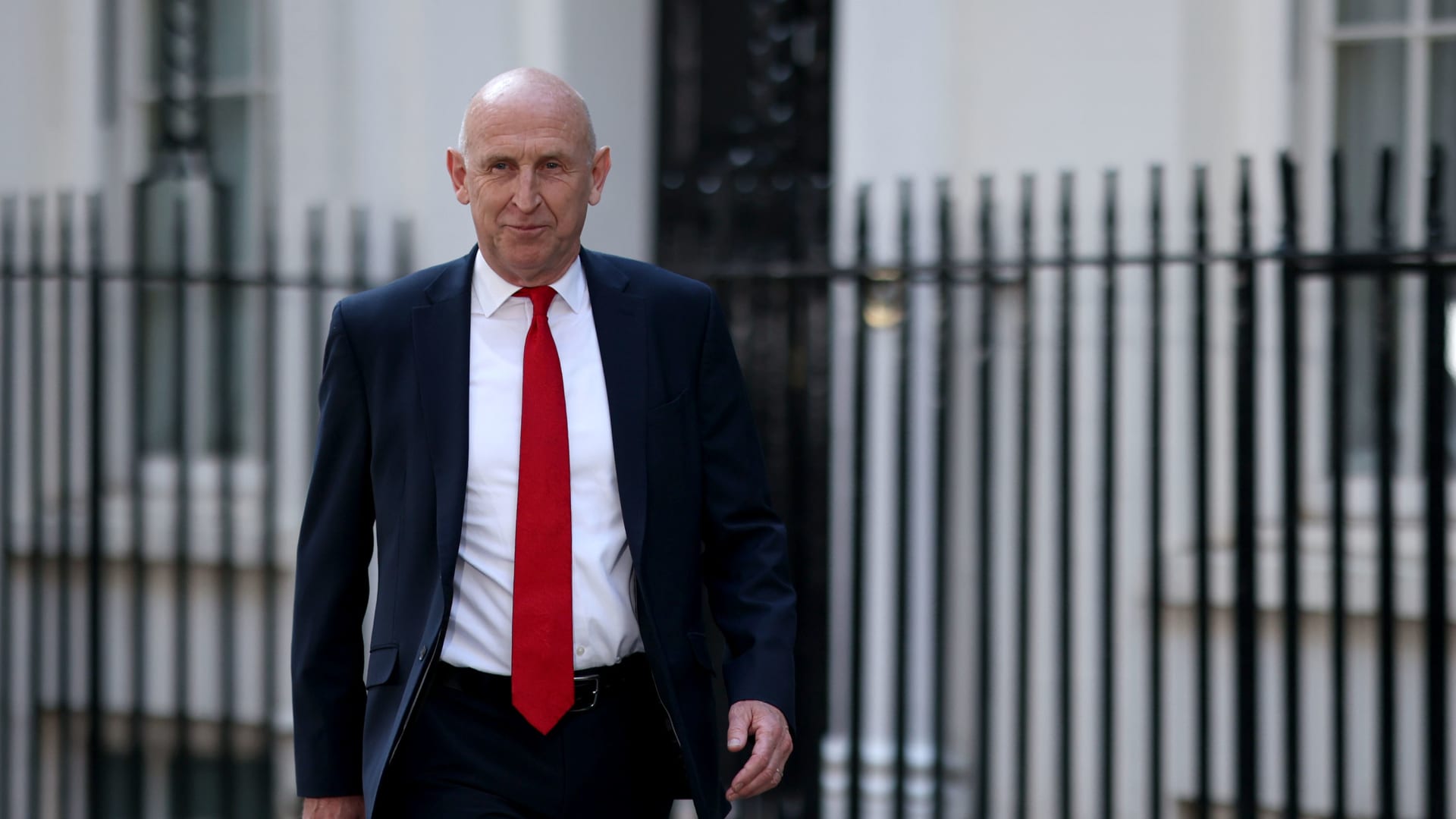
U.K. Chancellor of the Exchequer John Healey remarked on the economy’s resilience, asserting that it is growing at its fastest rate in nearly a decade, excluding pandemic-related growth. Prime Minister Andy Burnham expressed optimism regarding the third-quarter results, indicating a positive outlook for the future.
Market activity showed the British pound descending 0.2% against the U.S. dollar while remaining unchanged against the euro. Yields on U.K. government bonds also indicated minimal fluctuation.
Prospects Amid Global Uncertainty
Scott Gardner, an investment strategist at J.P. Morgan Personal Investing, provided a positive assessment of the growth figures, noting their resilience in light of the ongoing U.S.-Iran conflict. However, he cautioned that the economy may face challenges in the coming months due to heightened uncertainty surrounding the situation and upcoming fiscal measures.
As discussions around the Autumn Budget unfold, Gardner highlighted that some analysts are already adjusting their growth predictions for the upcoming year, acknowledging several impending challenges that could suppress economic activity.
Artificial Intelligence as a Growth Catalyst
Suren Thiru, chief economist at the Institute of Chartered Accountants in England and Wales, described the third quarter as exceptionally strong for the U.K. economy. He noted that investments in artificial intelligence were crucial during this period, with businesses increasing expenditures in infrastructure, technology hardware, and programming to bolster their resilience against economic headwinds while simultaneously enhancing activity levels.
These encouraging economic results keep the potential for an interest rate increase by the Bank of England in December very much alive, as policymakers view the economy as sufficiently robust to handle higher borrowing costs. Following last week’s interest rate hike—the first in three years—the Bank of England warned of further increases if the U.S.-Iran conflict remains unresolved. Currently, the annual inflation rate in the U.K. stands at 3.5%, with projections that it could rise to around 5% by mid-2027.
According to the Bank’s November Monetary Policy Report, while the growth has exceeded expectations thus far, a slowdown is anticipated in the final quarter and moving into 2027. Market data currently indicates a 73% probability of another rate hike during the final meeting of the year in December.
