


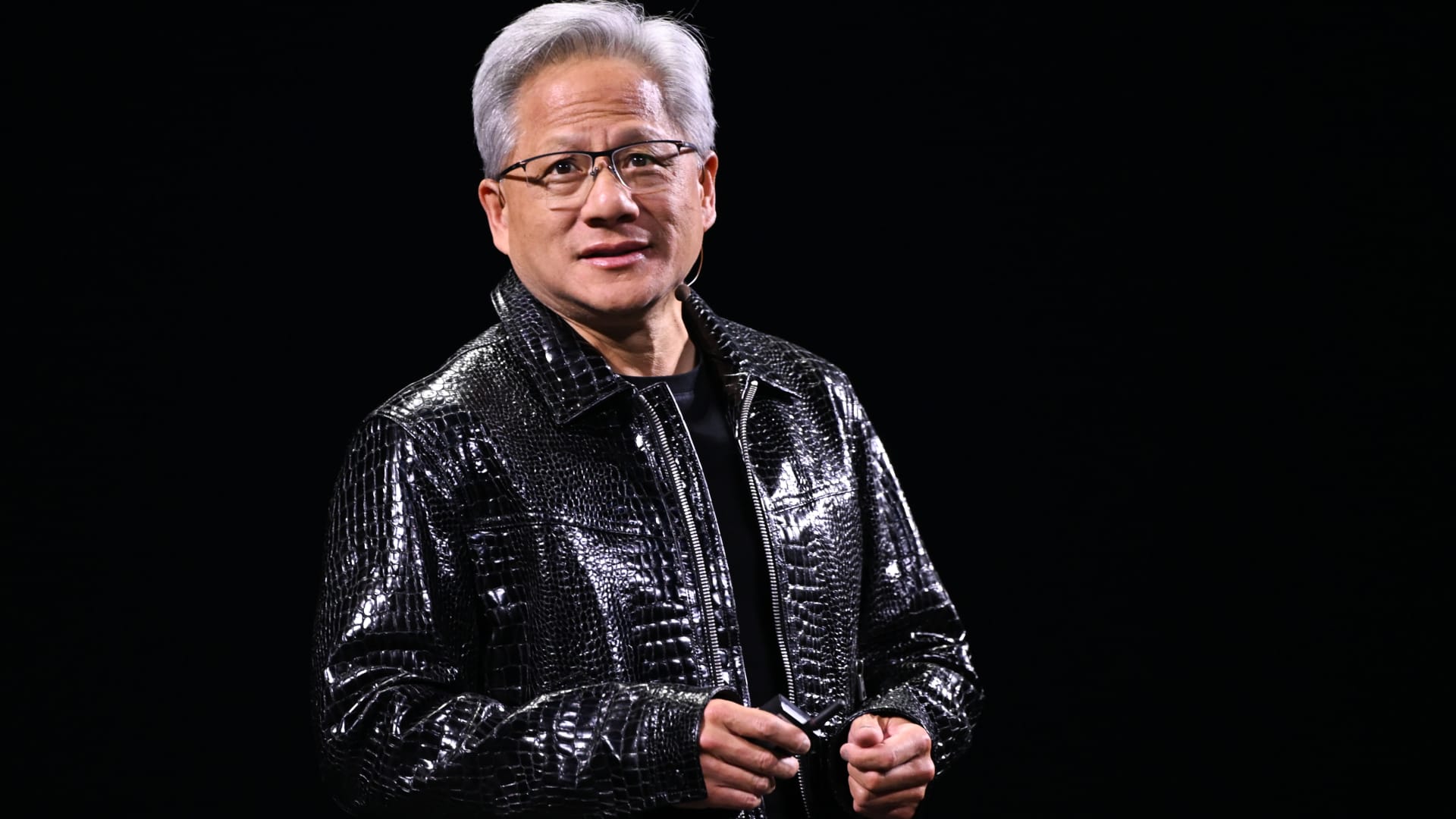
Nvidia’s CEO, Jensen Huang, recently took the stage at CES 2025 in Las Vegas, where he found himself at the center of significant controversy regarding allegations of personal misconduct and connections to espionage. These developments raise critical questions about Nvidia’s position within the global economic framework, particularly its ties to the rapidly evolving artificial intelligence sector.
As Nvidia’s influence grows, it has garnered the nickname the “central bank of AI” due to its substantial financial commitments to facilitate industry expansion. The Fed and other financial institutions have begun monitoring these dynamics closely, wary of the potential ripple effects that a downturn at Nvidia could have on broader financial stability.
The Economic Impact of Nvidia’s Troubles
Analysts maintain that while Nvidia is a crucial player in the tech landscape, it is not “too big to fail” in the same way that a major bank might be. According to Sheila Bair, a former regulator, Nvidia continues to produce a sought-after product, even amid organizational challenges, thanks to its substantial equity cushion.
Bair highlighted, “Nvidia going down would be a pretty seismic event.” Such an incident could yield substantial economic ramifications, particularly through the various financial commitments and relationships Nvidia has forged within the AI industry.
Investor Sentiment and Stock Performance
Despite the current turmoil, investors remain optimistic about Nvidia’s future. The company is expected to more than double its revenue this fiscal year and maintain a similar growth trajectory in subsequent years, according to LSEG data. However, with Huang under investigation by multiple bodies for his personal conduct, analysts acknowledge a range of potential outcomes, which could include his removal as CEO.
The stock market has reacted significantly, with Nvidia’s stock price witnessing a decline of 27% from its peak in early October to mid-November. Even with this downturn, experts suggest that Nvidia’s challenges are not likely to trigger the systemic risks that prompted the last financial crisis.
The Risks Associated with AI Financial Relationships
The interconnections established through Nvidia’s aid to smaller firms, known as neoclouds, illustrate a critical concern. By securing financial commitments, Nvidia diminishes its risks while simultaneously aiding its clients. However, if Nvidia were unable to fulfill these obligations, it could threaten the viability of those smaller firms and the banks that financed them.
Jason Wu, an assistant director at the International Monetary Fund (IMF), noted that such dependencies underscore a precarious balance between the economy and financial markets, where a decline in one could exacerbate issues in the other. A report released by the IMF warned that increasing leverage among AI firms could potentially lead to significant upheaval.
Nvidia’s Role in the AI Sector
Nvidia has committed nearly $36 billion in cloud services to support neocloud companies, ensuring a consistent demand for its products. Yet, this dependency means any falter from Nvidia could have far-reaching implications for those smaller entities and the investment ecosystem built around them.
As neoclouds navigate their own financial stresses, observable trends show deteriorating conditions in their equity prices, suggesting a disconnect from Nvidia’s recent struggles.
The Competitive Landscape in AI Computing
Amid these developments, other tech giants such as AMD, Google, and Microsoft are striving to enter the AI chip sector, presenting future competition to Nvidia. This increasing competition might mitigate the potential economic fallout stemming from Nvidia’s challenges in the long run.
While the situation remains fluid, central banking authorities are closely deliberating the ramifications of growing investments within the AI domain and the interconnected nature of these financial relationships.
