


The Federal Reserve finds itself in a complex situation as competing signals from the bond market complicate its policymaking efforts. As Treasury yields climb, investors are responding to multiple factors, including persistent inflation above the Fed’s target of 2%, rising energy prices, and the financial implications of large-scale AI investments.
Historically, the Fed has weathered inflationary spikes caused by temporary shocks like energy price increases. Previously, the narrative suggested that the burgeoning investment in artificial intelligence might prove to be a short-lived trend with disinflationary effects. However, recent assessments by Fed officials indicate a reassessment of these assumptions, with a growing concern regarding sustained inflation levels.
Currently, the market is adjusting its expectations, anticipating that the Fed will adopt a more aggressive stance on inflation control. In recent days, traders have shifted their outlook, now predicting a potential interest rate hike in October, just a month following the previous increase. Additionally, there is speculation about further rate hikes late this year or early next year, with the possibility of more increases later on.
Shifting Expectations
This change in outlook marks a significant departure from earlier projections made by the Fed, which indicated only a single hike for the year followed by potential rate cuts in subsequent years. Joseph Brusuelas, chief economist at RSM, expressed his expectation for three rate hikes by the end of the year. However, new modeling conducted at RSM suggests that higher yields and a prolonged AI investment cycle might necessitate more hikes than initially anticipated.
According to RSM’s modeling, even if the 10-year yield reaches 5.5%—up from around 5.15% recently—it could lead to a slowdown in growth to 1.5% and an increase in unemployment to 4.7%, while core inflation may remain stuck at 2.4%. Brusuelas argues that the Fed is underestimating the number of adjustments required to restore price stability, suggesting a potential need for five or six hikes rather than just two or three.
Contrasting views exist among Wall Street strategists, with some cautioning against the market’s aggressive expectations. Analysts from Citigroup contend that the rise in yields reflects investor confidence in the Fed’s commitment to raise policy rates, rather than concerns over a hawkish stance allowing inflation to persist. They assert that the increases in both short-term and long-term yields are a result of this reassessment.
Advocating for Caution
Despite indications of near-term rate hikes, several key Fed officials have advocated for a measured approach. New York Fed President John Williams noted the likelihood of another hike by year-end, but emphasized the importance of continued data analysis before establishing a predictable pattern of rate increases. Similarly, Philadelphia Fed President Anna Paulson characterized potential policy changes as “modest,” suggesting that significant hikes may not be on the immediate horizon.
The Fed faces critical choices: tightening policy excessively could jeopardize economic expansion, while insufficient tightening risks eroding market confidence in the Fed’s inflation management. Krishna Guha from Evercore ISI highlighted the precariousness of the situation, warning that inadequate guidance could lead central banks to face tough decisions between suboptimal rate adjustments and disappointing the market.
Navigating Market Dynamics
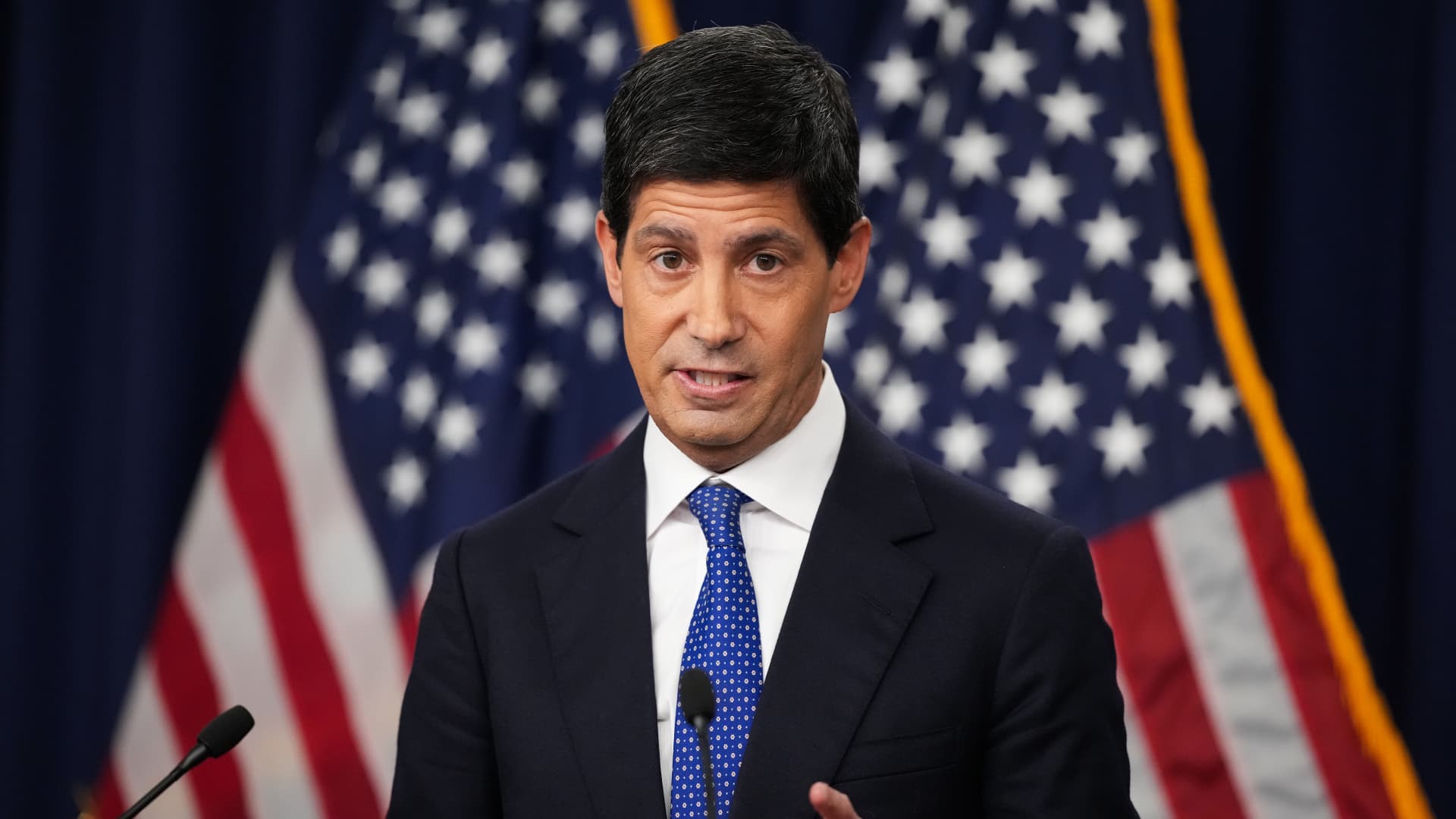
The current complexity is underscored by Federal Reserve Chairman Kevin Warsh’s recent approach, which appears to embrace market signals more than previous policies had. This shift represents a notable departure from the post-2008 crisis strategy where the Fed primarily used forward guidance to indicate future rate movements.
UBS economist Jonathan Pingle noted that Warsh’s emphasis on market input is unprecedented among Federal Reserve chairs, presenting challenges as the Treasury market reacts. With yields on long-term bonds reaching levels not seen since 2004, there is concern that this shift may influence Warsh’s policies towards a more hawkish outlook.
Market observers believe that Warsh will likely adjust to progressive increases in benchmark rates guided by market dynamics. Brusuelas reiterated the importance of heeding market signals, suggesting that these messages should inform the Fed’s approach to safeguarding against potential overheating within the economy.
