


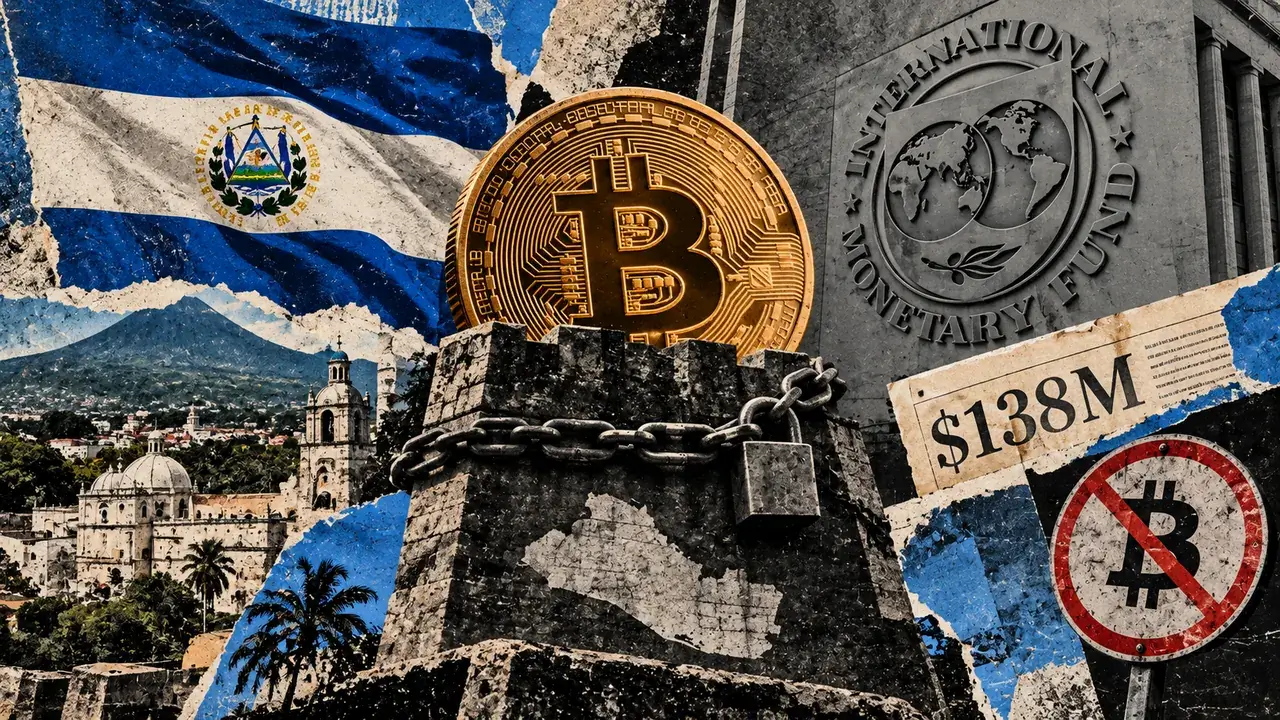
El Salvador has recently secured access to $138 million in funds from the International Monetary Fund (IMF) following the completion of the second and third reviews of the nation’s $1.4 billion loan program. This development took place on October 1, with the IMF approving an immediate disbursement amounting to SDR 101.96 million, equivalent to $138 million.
As part of this agreement, the IMF has granted waivers for certain unmet performance criteria related to Bitcoin accumulation. El Salvador’s authorities have taken corrective actions and reaffirmed their commitments, which allowed the Fund to maintain financial support despite previously noted breaches.
The IMF’s directive specifically states that no further state accumulation of Bitcoin is anticipated beyond documented public donations. This stipulation aims to prevent the government from resuming Bitcoin purchases that would be funded by public resources.
Currently, El Salvador holds approximately 7,794 Bitcoin, valued at around $666.1 million. The management of this reserve has raised concerns, particularly due to recent additions to government-linked wallets that may conflict with IMF agreements.
Maintaining Bitcoin Restrictions
The IMF’s recent reviews highlighted that while El Salvador is making progress with fiscal consolidation, it is vital to adhere to the established restrictions on cryptocurrency acquisition. These assessments confirmed that the program’s overall fiscal objectives, including reserve and liquidity targets, were being effectively met.
As part of the Extended Fund Facility, approved in February 2025, the IMF aims to assist El Salvador with fiscal adjustments, bolster reserves, and promote financial-sector reforms. Notably, the Salvadoran government has taken steps to reduce its involvement in cryptocurrency by transferring majority ownership of the government-backed Chivo wallet to a private operator. However, the IMF has emphasized the need for El Salvador to fully unwind any remaining public sector exposure to cryptocurrencies.
Despite the availability of additional funding, several obligations regarding Bitcoin remain unresolved. The IMF is calling for enhanced transparency regarding public-sector crypto holdings, better regulatory frameworks for digital-asset providers, and necessary amendments to the nation’s Digital Asset Issuance Law.
As the value of Bitcoin fluctuates, the government’s capacity to expand its reserves under the constraints of the IMF program remains limited. Future reviews will depend significantly on the government’s ability to document changes in its Bitcoin holdings while continuing the process of unwinding the Chivo wallet and implementing transparency reforms. Any unexplained increases in Bitcoin reserves could necessitate further waivers for access to future program financing.
