


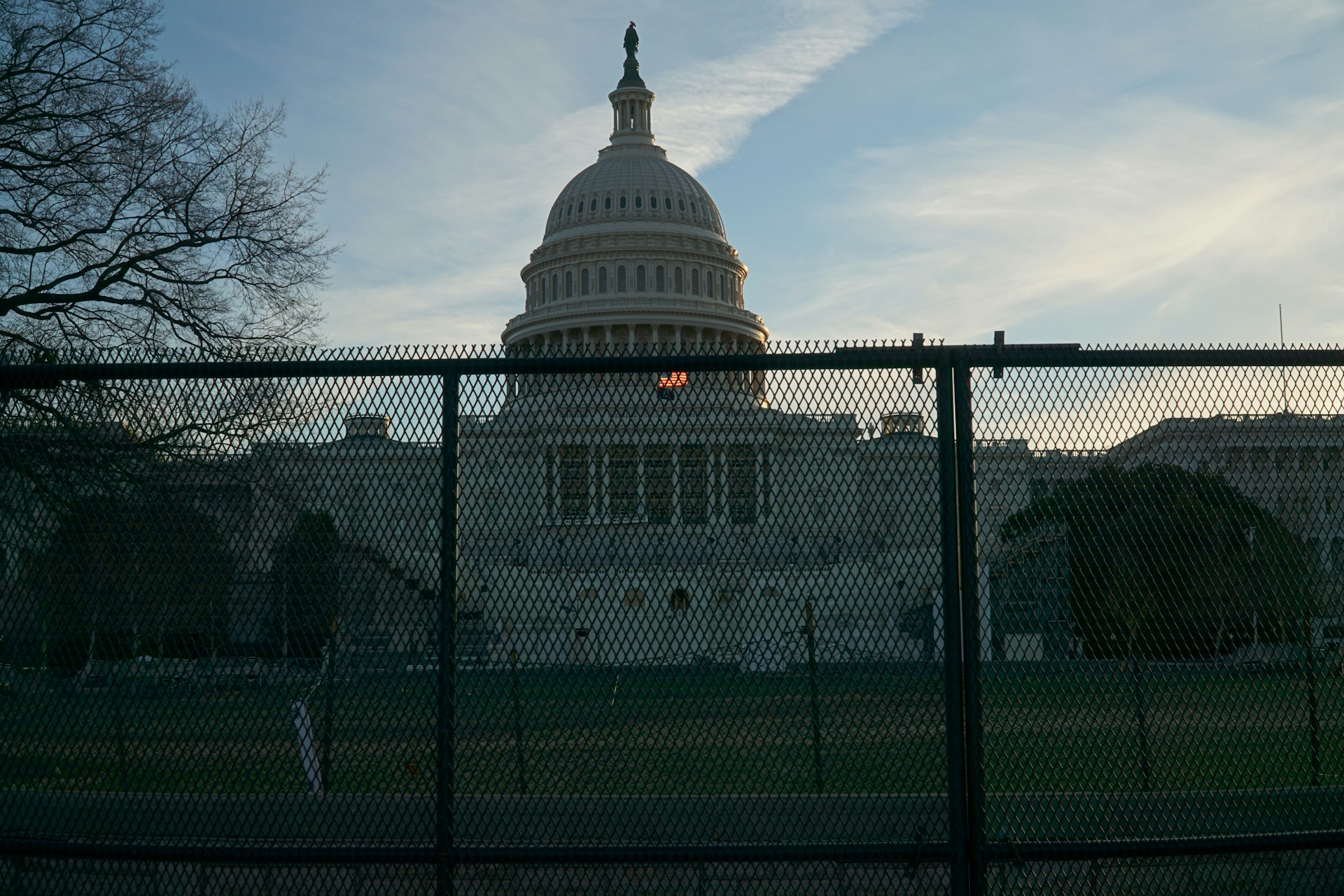
A proposed ban on federal retail central bank digital currencies (CBDCs) is once again gaining policy attention through the housing bill negotiations in Congress, and discussions of a digital dollar are gaining momentum amid the rise of stablecoins.
TL;DR
HR 6644 is the primary legislative reference regarding the retail CBDC ban angle. The reported negotiations would prevent the Fed from issuing retail CBDCs until 2030. Articles should avoid claims that stablecoin inflows will automatically accelerate. That’s market speculation.
The bill reference gives this story a clear policy anchor. Lawmakers continue to debate whether the Federal Reserve should be allowed to issue retail CBDCs. A retail CBDC will be a digital dollar that can be used directly or almost directly by the general public, not just banks and financial institutions.
Opponents argue that retail CBDCs could expand government oversight or give central banks too much control over consumer payments. Proponents of CBDC research typically argue that public digital money can improve payment efficiency, settlement speed, and financial inclusion. The push through of recent legislation shows that Congress is not solving the problem.
Why cryptocurrencies focus on CBDC
The cryptocurrency market is paying attention to CBDC policy, as it is similar to the stablecoin debate. If the US blocks retail CBDCs, private dollar-backed stablecoins could remain the predominant form of tokenized dollars in public markets. If the Fed is allowed to advance retail CBDCs, stablecoin issuers could ultimately face a completely different competitive environment.
That does not mean that a CBDC ban will automatically send capital to stablecoins. Stablecoin adoption will depend on regulation, exchange usage, payment rails, confidence in reserves, and global dollar demand. However, a ban would reduce one of the main sources of competition in the public sector.
The politics of the digital dollar
The CBDC debate has become unusually political. Some lawmakers see the retail digital dollar as a threat to privacy and economic freedom. Some want to ensure that safeguards are in place while leaving room for central bank innovation.
The reported housing cost pathway is also worth noting. Digital asset policy is often advanced through broader legislative instruments, especially when standalone cryptocurrency legislation stalls or becomes politically difficult. This may complicate the policy process, but it also creates room for key provisions to move forward.
what to see
The next step is whether the CBDC language emerges from negotiations into the final legal text. Market participants should keep an eye on the exact wording of the ban, how long it will last, and whether it will cover only retail CBDCs or the broader Fed Digital Dollar investigation.
More importantly for Bitcoinist readers, U.S. digital money policy has yet to be developed. Stablecoins, CBDCs, and tokenized deposits are competing visions for the future of the dollar, and Congress is trying to decide which rails to encourage or block.
This article was written by Newsdesk and edited by Samuel Ray.
Stablecoins remain a viable alternative
While Congress is debating a digital dollar, stablecoins are already serving as a working version of the tokenized dollar in the crypto market. These settle trades, move between exchanges, and serve as collateral throughout DeFi. This substantial head start is why CBDC restrictions are so important. CBDC restrictions could leave room for private sector dollar tokens to continue expanding before public alternatives emerge.
Original publication: official announcement at official announcement

bitcoinist’s editorial process focuses on providing thoroughly researched, accurate, and unbiased content. We adhere to strict sourcing standards, and each page is carefully reviewed by our team of top technology experts and experienced editors. This process ensures the integrity, relevance, and value of your content to your readers.
