


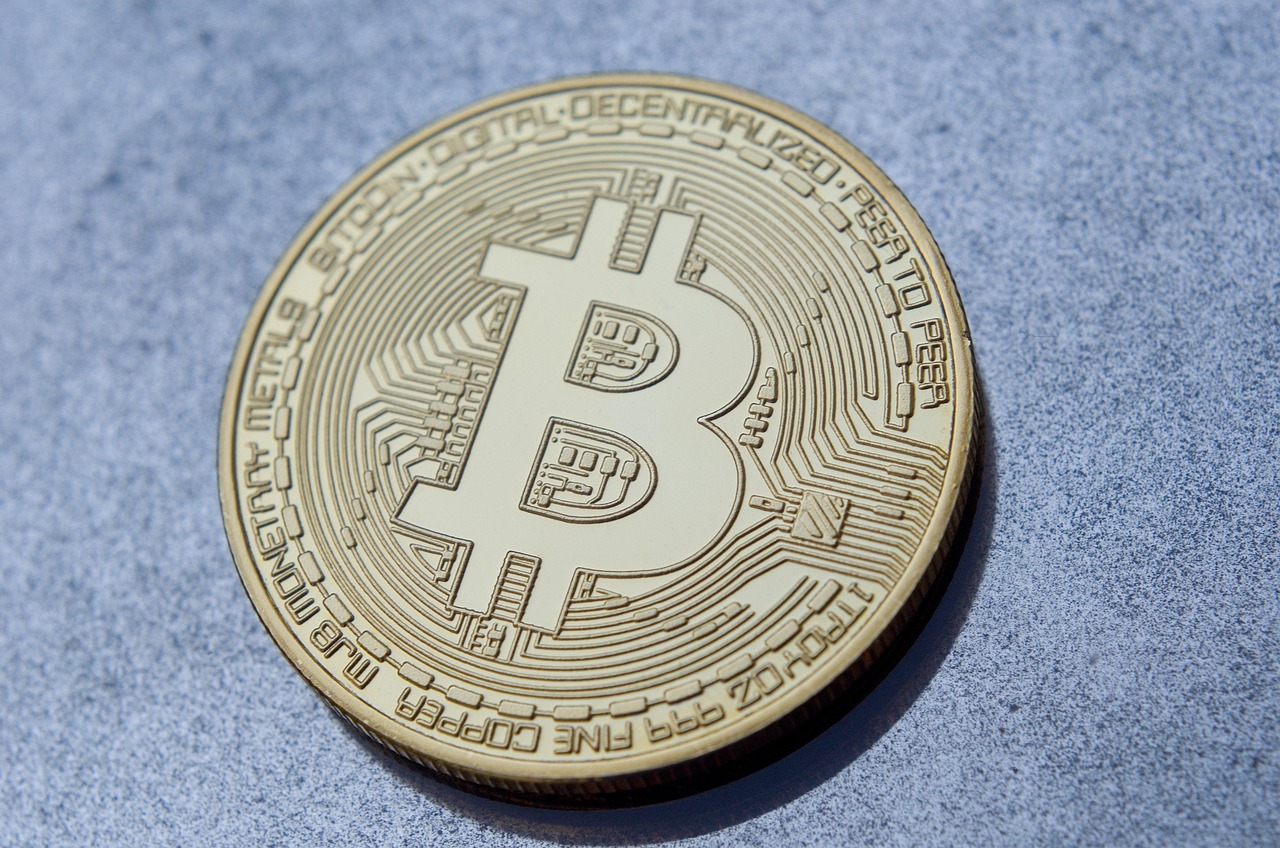
Bitcoin’s recent decline was not caused by a single headline. Instead, traders were hit by a series of simultaneous pressures. These included a global tech stock slump, a resurgence in Bitcoin ETF spot redemptions, a spike in leverage, and large monthly option expirations that kept the market focused on downside exercise levels.
TL;DR
Bitcoin fell to around $58,000 as risk appetite weakened across crypto and technology stocks. The US Spot Bitcoin ETF recorded net outflows of approximately $691.7 million to $696 million on June 25, extending its six-day redemption streak. The significant expiration of about $10 billion worth of Deribit monthly options has added further uncertainty for traders. Liquidations across the cryptocurrency market exceeded $1 billion in 24 hours as leverage was forced out of the system.
ETF outflows add pressure
The overall picture of institutional trends turned sharply negative before this move. The US Spot Bitcoin ETF recorded net redemptions of approximately $691.7 million to $696 million on June 25, according to verified numbers from WritingPack. Fidelity’s FBTC and BlackRock’s IBIT are the largest contributors to daily outflows, with FBTC at approximately $274.5 million and IBIT at approximately $265.7 million.
This is important because spot ETFs have become one of the clearest indicators of institutional demand for Bitcoin. One weak day doesn’t define a complete trend, but six consecutive days of redemptions changes the tone of the market. When prices are already under pressure and ETF outflows continue, traders tend to wonder whether the push-buy demand is deep enough to absorb forced selling or hedging activity.
Derivatives traders focus on $55,000 to $60,000 zone
The timing of the decline was also troubling for derivatives traders. Around the same time as Deribit’s main monthly option expiry, Bitcoin moved into the $58,000 region, with a notional value said to be around $10 billion. While option expiration does not mechanically determine price direction, hedging flows can become concentrated around key exercise levels, making an already volatile market difficult to read.
Verified Source Pack also noted that the put skew is stronger around the $55,000 to $60,000 area. To put it simply, as Bitcoin tests lower levels, traders pay more attention to downside protection. While this does not guarantee further declines, it does indicate that anxiety was building across the options market.
leverage is lost
Liquidation data added to the bearish outlook. Across the broader crypto market, more than $1 billion in leveraged positions were reportedly liquidated within 24 hours. Forced liquidations can accelerate intraday movements as losing positions are automatically closed and liquidity is often already thin.
The broader context didn’t help either. The decline in cryptocurrencies occurred alongside pressure on global technology stocks, including a drop in Nasdaq futures and heavy selling in parts of Asian stock markets. This connection is important as Bitcoin and major altcoins increasingly trade like high-beta risk assets at a time when investors are reducing exposure to expensive growth and technology themes.
What traders are paying attention to now
The immediate questions are whether ETF outflows subside, whether options-related pressures subside after expiry, and whether Bitcoin can sustain the lower end of its recent trading range. A return to higher levels would help stabilize sentiment, but failure to absorb redemptions and take advantage of unwinds could keep downside protection in focus.
So far, this decline looks less like a crypto-specific breakdown and more like a broader risk-off movement amplified by ETF flows and derivatives positioning. This difference is important. Once macro pressures ease, the market could stabilize quickly. However, if redemptions by institutional investors continue, the path to above key levels could remain precarious.
This report is based on information from CoinDesk Markets, Tokenpost, and CoinDesk Derivatives.
This article was written by Newsdesk and edited by Samuel Ray.
