


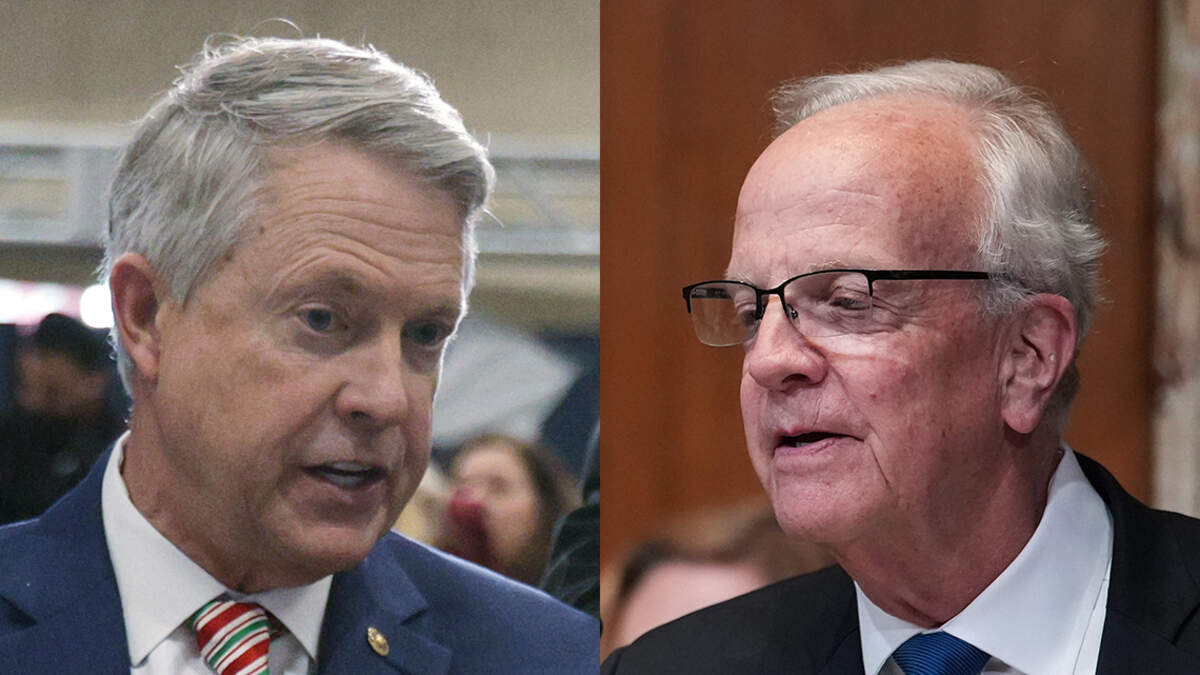
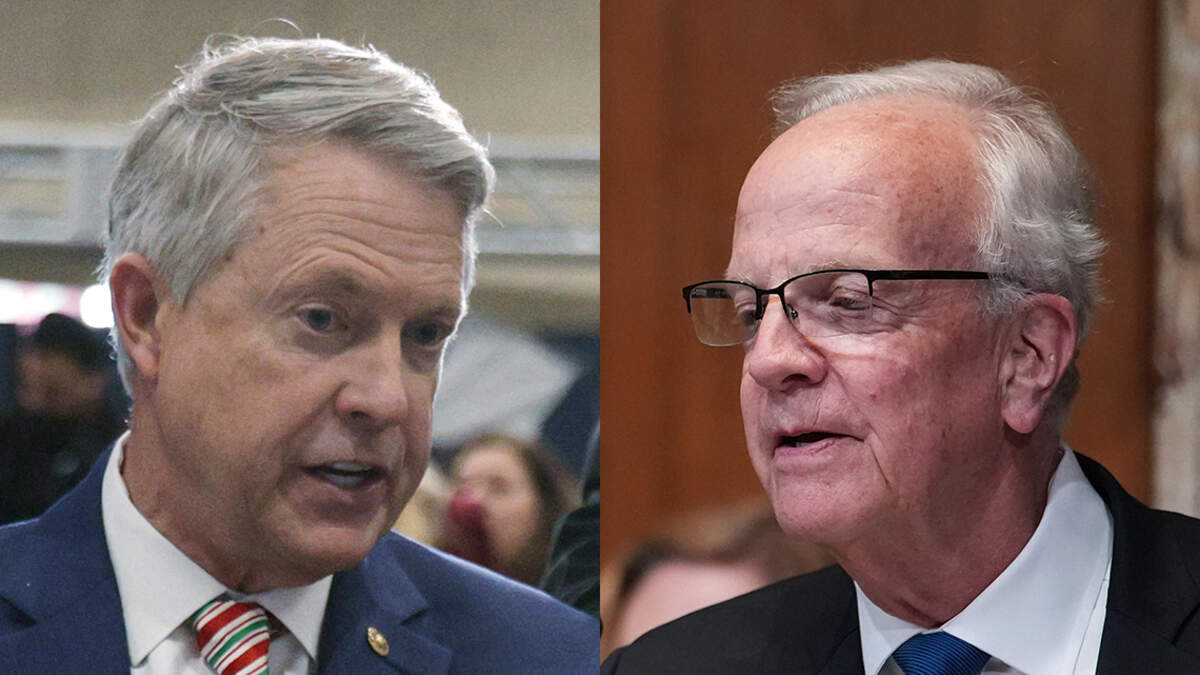
Getty Images file photos
This spring, Kansas took a significant step in establishing clear regulatory guidelines for cryptocurrency kiosks, commonly referred to as “crypto ATMs.” Governor Laura Kelly enacted House Bill 2591, a consumer protection statute aimed at enhancing safeguards for individuals, particularly the elderly, who have been vulnerable to cryptocurrency scams.
The legislation has garnered support across party lines, with lawmakers recognizing the essential need to offer the same financial protections to users of digital assets as traditional financial instruments. AARP Kansas has endorsed this measure, demonstrating a consensus on the necessity of consumer safeguards in the evolving digital finance landscape.
National Implications and Congressional Action
Simultaneously, Congress faces an opportunity to replicate Kansas’ proactive approach on a national scale through the Digital Asset Market Clarity Act. This proposed legislation has gained notable traction, having been passed by the House with a significant bipartisan majority of 294 to 134 last year. More recently, it advanced from the Senate Banking Committee with a vote of 15 to 9, marking a pivotal moment for federal regulations concerning digital assets.
The Clarity Act’s primary goal is to end jurisdictional disputes that have long hindered regulatory clarity. Until now, the Securities and Exchange Commission (SEC) and the Commodity Futures Trading Commission (CFTC) have been in contention over which agency governs various digital assets, leaving both consumers and businesses in a confusing regulatory environment. The Clarity Act delineates responsibilities between the two agencies, assigning the oversight of digital commodities to the CFTC, while the SEC will manage investment contracts. This framework is crucial to prevent future catastrophic failures akin to the collapse of FTX, which had devastating impacts on investors.
The Urgency of Congressional Action
The timeline for advancing this legislation is urgent. With the Senate’s impending August recess approaching, the bill needs to be voted on soon to maintain its momentum—delays could push discussions into the fall or even lead to significant stagnation until after the 2026 midterm elections, complicating prospects for complex legislation.
Key figures like Senate Majority Leader John Thune have raised concerns regarding the necessary votes to pass the bill before the recess, signaling a critical juncture for its future.
Challenges Ahead
While the fundamental aspects of the Clarity Act have broad support, contention arises around ethics provisions in the most recent draft. These provisions would prevent federal officials, including the President, from endorsing or creating their own cryptocurrencies. Some Democrats challenge the enforcement mechanisms of these regulations, while certain Republicans advocate for a more limited scope. Despite these debates, they remain peripheral when weighed against the necessity of comprehensive federal rules for the digital asset market.
Why Kansas Should Care
Without a solid regulatory framework, consumer protections remain tenuous. The most substantial guidance has come from administrative actions, such as the recent SEC and CFTC classification of 16 digital assets as commodities—an action that can be revoked with subsequent administrations. In contrast, a law enacted by Congress would provide lasting stability for consumers and businesses alike, safeguarding against potential fraud.
Kansas recognized the importance of protecting its residents from fraud in the cryptocurrency landscape. The state set a precedent by documenting rules to mitigate risks. Now it is imperative for Congress to follow suit, ensuring that they enact stronger protections for consumers nationwide.
Senators Jerry Moran and Roger Marshall hold pivotal roles in determining whether the Digital Asset Market Clarity Act will reach a final vote. Given that 60 votes are required to overcome potential filibusters, their support is crucial. The stakes are high for Kansans who have witnessed local residents fall victim to scams and businesses that require clear federal guidelines to operate effectively.
Kansas has demonstrated that legislative progress in the cryptocurrency sector is achievable; it is now up to the Senate to capitalize on this momentum. The call for structured regulation could not be more pressing, as the digital landscape continues to evolve.
Talha Siddiqi, president of the Kansas chapter of the non-profit Stand With Crypto Alliance, is based in Wichita and advocates for responsible cryptocurrency regulations.

Getty Images
