


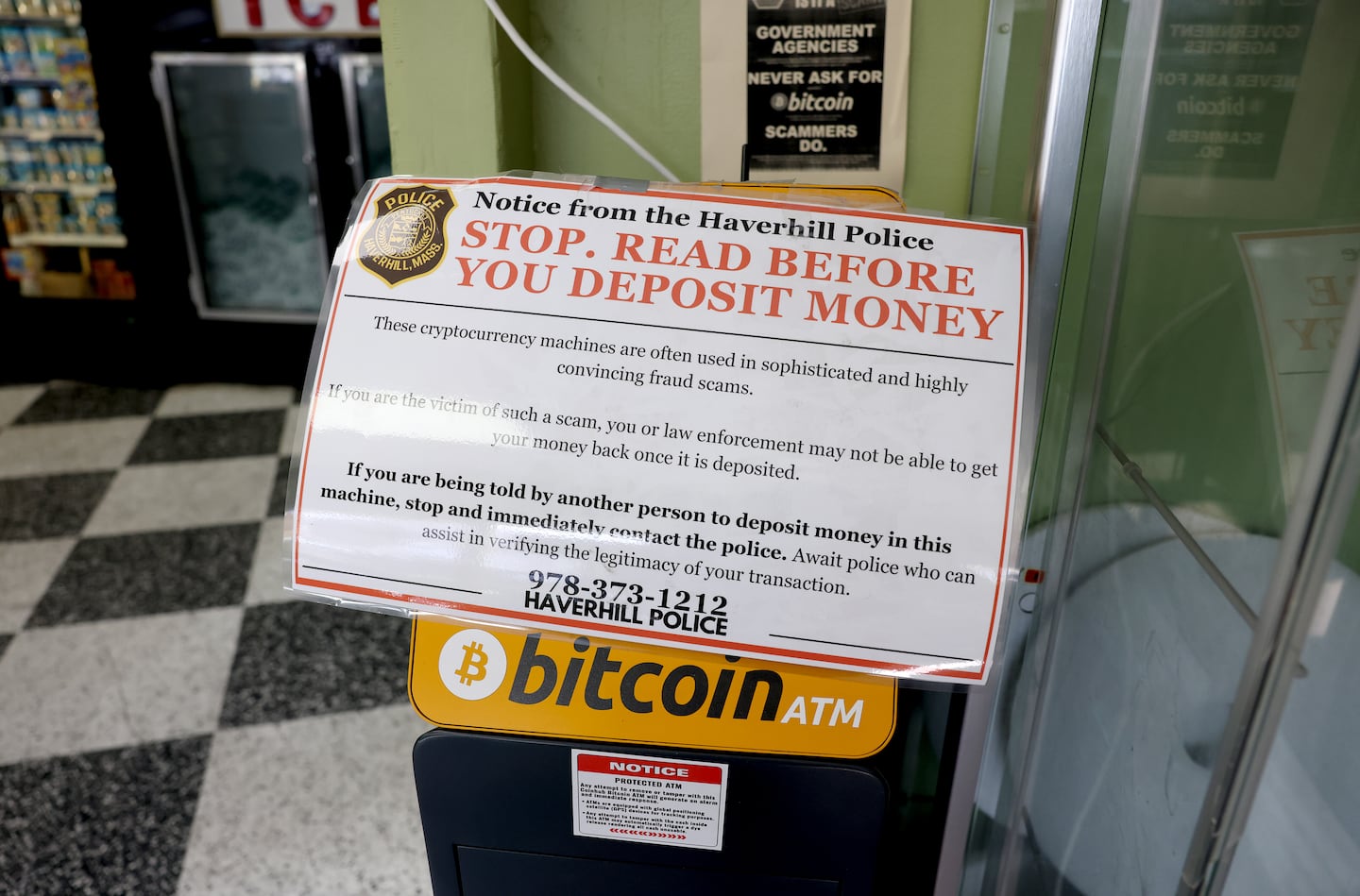
Cryptocurrency ATMs, often situated in convenient locations such as gas stations and convenience stores, offer a method for converting cash into digital currencies like Bitcoin. However, these machines have recently gained notoriety as tools for scams, prompting increasing calls for regulatory measures. The pressing question arises: should these machines continue to operate?
Since the installation of the first cryptocurrency ATM in South Station in 2014, approximately 500 such devices are now operational across Massachusetts. A recent investigation by the Globe revealed that these ATMs facilitated the scamming of Massachusetts residents out of an estimated $7 million last year—a figure that experts suggest may be significantly understated.
Scammers pose as bank officials or law enforcement, targeting particularly vulnerable individuals, including many senior citizens. They typically inform their victims that they need to deposit money into these ATMs to address fictitious debts or to safeguard their assets. Unfortunately, once the money is deposited, it disappears.
Regulatory Gaps and the Impact of Transaction Fees
Currently, Massachusetts lacks regulations regarding cryptocurrency ATMs, such as daily deposit limits. This absence of oversight places the state at odds with the majority of others, as 32 states impose some form of restrictions on these machines, and four have implemented outright bans.
Operators of these ATMs argue that they provide essential services for individuals without traditional bank accounts, allowing them to engage in digital currency storage and trading. However, this perspective is complicated by the high transaction fees—sometimes reaching as much as 30 percent of a transaction—that users face. These exorbitant costs prompt inquiries into the legitimacy of many transactions.
Evidence suggests that genuine transactions may be rare. Jennifer Benson, the Massachusetts director of the AARP, testified in July that approximately 80 percent of transactions over $10,000 at cryptocurrency ATMs are associated with fraud. A similar trend was observed in Iowa, where over 98 percent of reported deposits to specific machines were tied to fraudulent activity. Notably, the state’s Attorney General, Brenna Bird, remarked that some scammers “hunt through obituaries to target widows.”
Challenges in Regulation
Efforts to regulate cryptocurrency ATMs in Massachusetts have faced obstacles over the past two years, although several proposals have emerged since 2024. Currently, lawmakers are considering a bill that would establish daily transaction caps of $1,000 and limit transaction fees to 3 percent, with a minimum fee of $5.
Following the Globe’s revelations about the extent of fraudulent activity, Democratic Senator John Cronin introduced a proposal to eliminate cryptocurrency kiosks altogether as part of an economic development initiative.
When a significant portion of activity at these ATMs is linked to scams, the sustainability of the industry is called into question. As Benson highlighted during the committee hearing, “We spent months working in good faith with the members of the Legislature to craft strict consumer regulations… But as the data mounted, the reality became undeniable. Regulation is simply not enough to stop the bleeding and protect our residents.”
Lessons from Other Regions
Other regions have reached similar conclusions about the challenges posed by cryptocurrency ATMs. For example, Minnesota, which enacted regulations two years ago, opted for a complete ban this year after discovering that scammers could circumvent those rules. Tennessee and Indiana have similarly opted to ban these machines.
Internationally, Canada, which has also endured years of attempting to regulate crypto ATMs, proposed a ban this year, while the United Kingdom effectively enacted a ban in 2022.
Massachusetts should consider these examples. After more than a decade of cryptocurrency ATMs yielding minimal benefits but posing significant risks to consumers, a prudent approach would be to cease their operations until the industry can effectively address the issue of fraud.
