


Iran has accepted a US proposal to end the Middle East war, Iranian state media reported on Sunday.
Subscribe to read this story without ads
Get unlimited access to ad-free articles and exclusive content.

State news agency IRNA said the response was “given through the intermediary Pakistan,” but did not reveal the content of the response. “According to the proposed plan, the current phase of negotiations will focus on the issue of ending the war in the region.”
The two countries continued their artillery exchange in the Persian Gulf on Saturday, more than a month after a temporary cease-fire agreement originally aimed at reopening the Strait of Hormuz was announced.
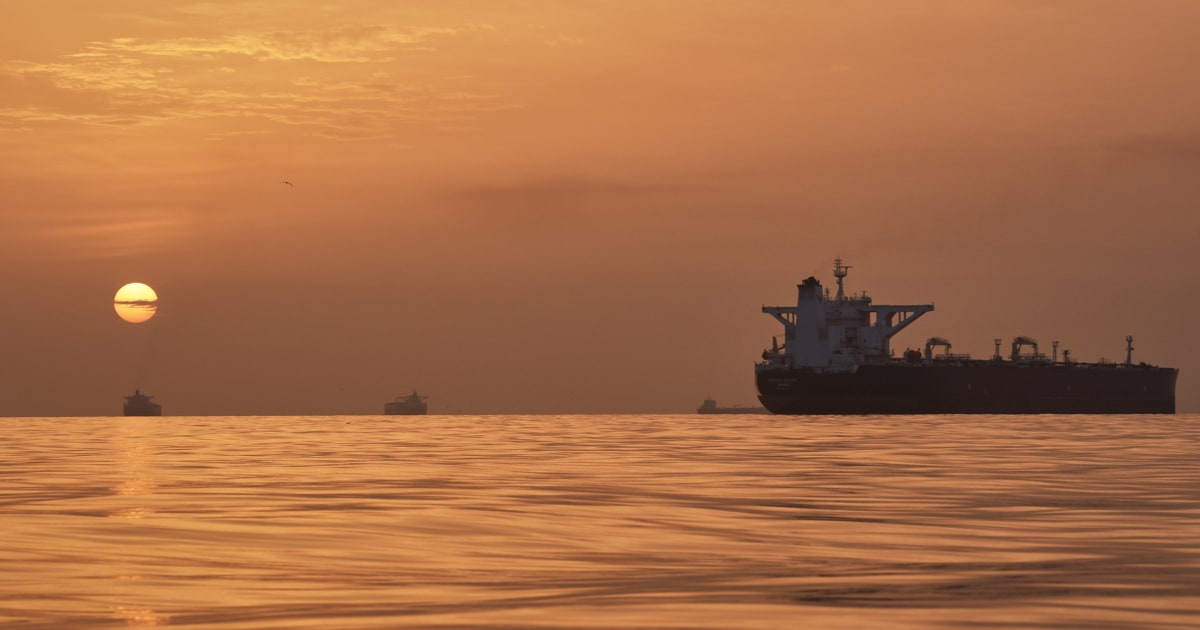
Iran continues to block ships from crossing the strait, disrupting vital Gulf oil supplies and prolonging global economic uncertainty over the conflict.
But hopes that a deal could be reached after weeks of talks and occasional setbacks sent markets soaring and oil prices falling last week.
Energy Secretary Chris Wright told NBC News’ “Meet the Press” on Sunday that the United States is waiting for a “clear resolution” on Iran’s latest offer.
He told host Kristen Welker that the United States wants “freedom of movement in the high seas, the Strait of Hormuz, and an end to Iran’s nuclear program.”
“Energy prices will come down if we can move freely across the Strait of Hormuz,” he added.
Meanwhile, U.S. Ambassador to the United Nations Mike Walz told ABC News that negotiations were “longer and slower than anyone would have liked, I think,” but stressed that “negotiations and diplomacy are ongoing.”
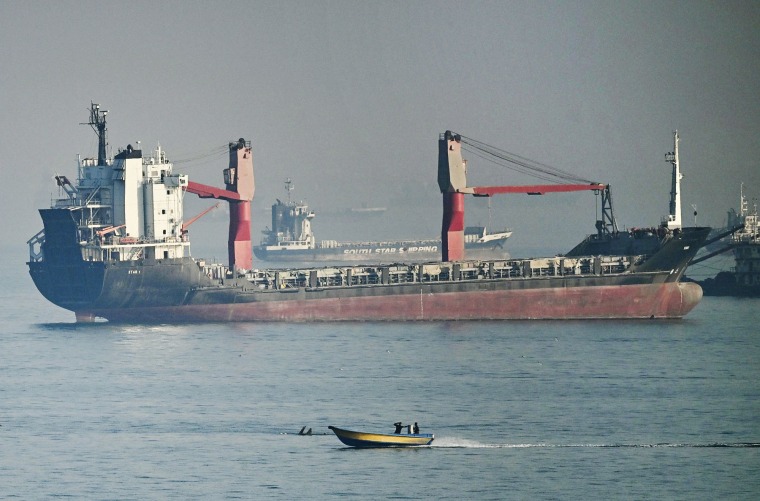
President Donald Trump’s plan to have warships escort commercial ships through the Strait of Hormuz, known as “Project Freedom,” was canceled last week, days after it was announced.
Meanwhile, the United States continues its own blockade of Iranian ports, although a US intelligence analysis concludes that Iran can withstand a naval blockade for several months.
On Friday, President Trump answered “no” in a phone interview with NBC News when asked if the conflict with Iran is over.
“When it’s over, it’s over,” the president said. “But we did win militarily. We have to get people to come out of their (Iranian) caves and sign something.”
About 20% of the world’s oil passed through the Strait of Hormuz before the US and Israel attacked Iran on February 28th.
In an interview, President Trump said of the critical waterway, “We actually manage it, they don’t manage it, and we took business away from them.”
“There are no ships entering Iran,” he added. “They are dying.”
More important than an immediate end to the conflict, he suggested, is striking a deal that is in the best interests of the United States.
“If I can’t get the best deal, I don’t want to go there,” he said. “We’ve got to make a good deal. We’re getting pretty close.”
“Every time a diplomatic solution is on the table, the United States chooses a reckless military adventure,” Iranian Foreign Minister Abbas Araghchi said on Friday.
Although the U.S. military’s blockade of Iranian ports will ultimately deprive Tehran of vital oil revenues, the regime is likely to be able to withstand the pressure for several months barring a major economic crisis or lasting damage to its oil fields, energy industry analysts and two Western officials familiar with intelligence assessments told NBC News.
Administration officials say the blockade is aimed at cutting off oil exports, Iran’s economic lifeline, and forcing Tehran to reopen the Strait of Hormuz and bow to U.S. demands at the negotiating table.
Iran has begun to gradually reduce oil production in response to the blockade, and could run out of oil storage capacity at some point within the next two months, forcing some oil wells to shut down. However, most analysts say Iran can probably avoid shutting down wells because it can consume significant amounts of its oil domestically, allowing most oil fields to continue operating.
