


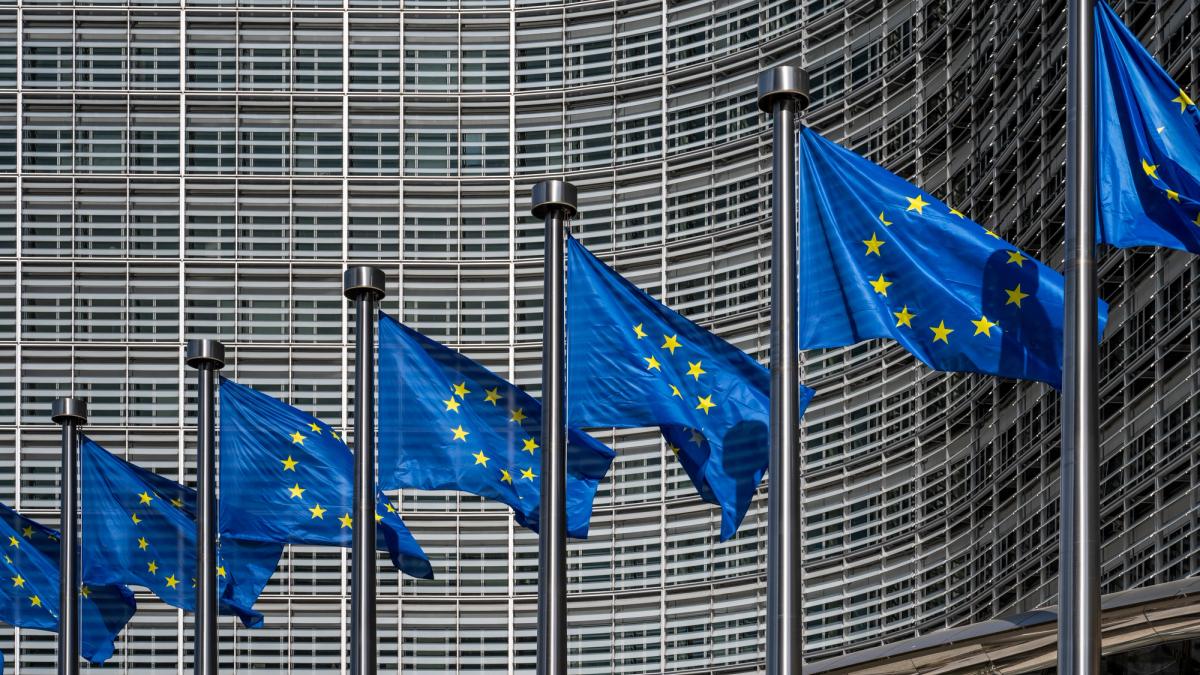
The European Union has made a significant stride in the crypto-assets landscape by instituting the Markets in Crypto-Assets (MiCA) regulation. This initiative marks the establishment of a comprehensive regulatory framework specifically tailored for crypto-assets, setting a global precedent. This development is not just a watershed moment for the digital asset industry; it also aligns with Europe’s objective to spearhead responsible financial innovation.
Objectives of MiCA
MiCA was designed with clear intentions to facilitate a cohesive single-market framework for crypto-asset services across the EU. Key features of this regulation include:
- Enhanced clarity for users: Consumers will benefit from clearer definitions and protections.
- Greater certainty for businesses: Firms operating in this space can navigate regulatory requirements with increased confidence.
- Equitable environment for operators: Responsible companies can thrive under a standardized set of high expectations.
Importance of Implementation
While the objectives of MiCA are commendable, the effectiveness of the framework depends significantly on its implementation. As MiCA transitions from legislative groundwork to real-world application, an essential query arises: Is the regulatory framework being executed as envisioned?
The Broader Impact on Europe’s Digital Asset Ecosystem
This question stretches beyond the interests of individual entities like Binance, which has expressed strong support for MiCA since its inception. Across Europe, there exists a burgeoning and complex digital asset market. Key factors include:
- Widespread adoption of digital assets by millions of users throughout the continent.
- The continuous development of innovative Web3 enterprises.
- Growth in institutional engagement with digital assets.
Future Competitiveness and Potential
The digital assets ecosystem is poised to be a cornerstone of Europe’s future competitiveness. Beyond merely facilitating trading, these assets embody a transformative financial infrastructure that encompasses:
- Accelerated settlement processes.
- Cost-effective payment systems.
- Programmable financial products.
- Enhanced transparency within markets.
In conclusion, while the MiCA framework signifies a remarkable achievement for Europe in overseeing crypto-assets, its true value will be measured through effective implementation. This will determine the regulation’s capacity to support and shape the future of the digital asset landscape across the continent.
