


Florida’s history is marked by a notable presence of smuggling and scam activity, continually evolving with advancements in technology. A core issue fueling these illicit activities is money laundering, which requires understanding to fight back effectively.
When criminals engage in illegal transactions, such as selling stolen goods, they seek to disguise the origin of their proceeds. Money laundering involves “cleaning” these funds, making them appear legitimate. In cases of scams, the immediate goal is to quickly hide stolen money, often through specialized laundering services that demand steep fees.
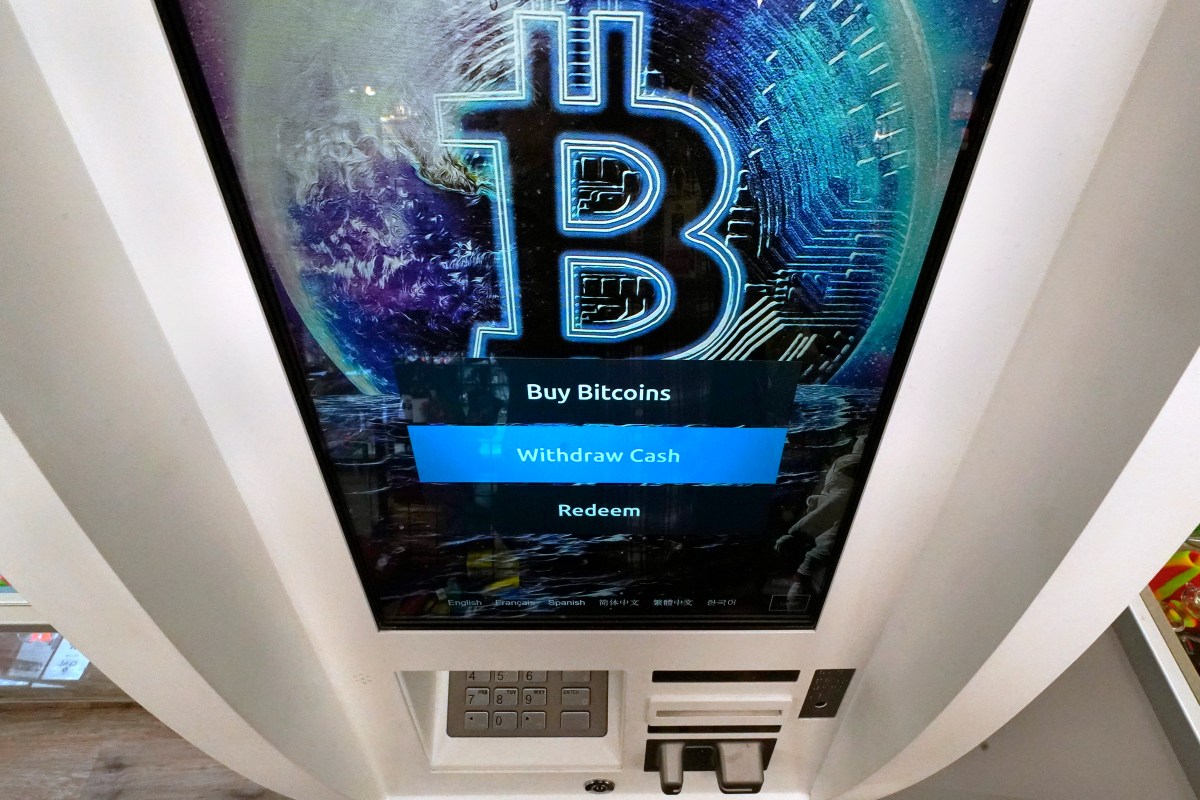
Federal guidelines have long required banks to report cash deposits exceeding $10,000 to deter money laundering. However, digital advancements have opened up new channels for criminals. An emerging concern in Florida is the rise of crypto ATMs, which allow for rapid cash-to-cryptocurrency conversions.
According to the FBI, 2025 saw over $333 million lost to crypto ATM-related scams, with 85% of victims being seniors. Florida reported around $33 million in losses since 2020, while Sunrise residents alone faced losses exceeding $1 million. The scam typically involves criminals coercing victims, often seniors, to transfer their savings into a crypto ATM, converting their cash to cryptocurrency instantaneously and allowing it to be sent anywhere in the world. These machines not only facilitate fraud but can also assist in financing terrorism.
After years of inaction regarding the victimization of seniors through these machines, the Florida Legislature enacted a new law governing crypto ATMs. However, this law will not be effective until January 1, 2027, displaying a worrying lack of urgency. It introduces measures such as transaction limits—$2,000 for new customers and $10,000 for established ones. However, this framework relies on self-reporting by customers rather than stringent compliance mechanisms, rendering it insufficient.
The Office of Financial Regulation, tasked with overseeing and enforcing the new law, has not received additional funding, which raises concerns about the effectiveness of these measures against ongoing fraud. The law includes onscreen warnings advising individuals to refrain from using these ATMs if approached by strangers or alleged government agents, but history suggests that such warnings may not prevent victimization, especially among vulnerable populations.
While the new legislation incorporates a robust “clawback” provision allowing victims to recover their funds from the first transaction, it falls short as it does not extend to subsequent transactions, leaving room for continued exploitation. Kiosk operators must register their machines and employ software to block transfers associated with criminal activity. Nonetheless, the underlying assumption that these machines are purely for legitimate investments is fundamentally flawed.
Comparatively, trustworthy investment platforms charge lower transaction fees, typically just a fraction of a percent, while crypto ATMs impose fees ranging from 9% to 20%. For legitimate investors, such high costs can lead to significant losses, but for criminals, they represent a small price for anonymity and rapid conversion to digital currency.
The current regulatory environment reflects compromises made to appease the crypto industry instead of offering comprehensive protections for consumers. To combat the money laundering crisis effectively, it is crucial to reconsider the presence of crypto ATMs and their implications within our communities. If the state government fails to protect its residents, local jurisdictions could take decisive action to ban these machines from neighborhoods altogether.
Mike Ryan, the mayor of Sunrise, has previously worked as a bank examiner and is an attorney.
