

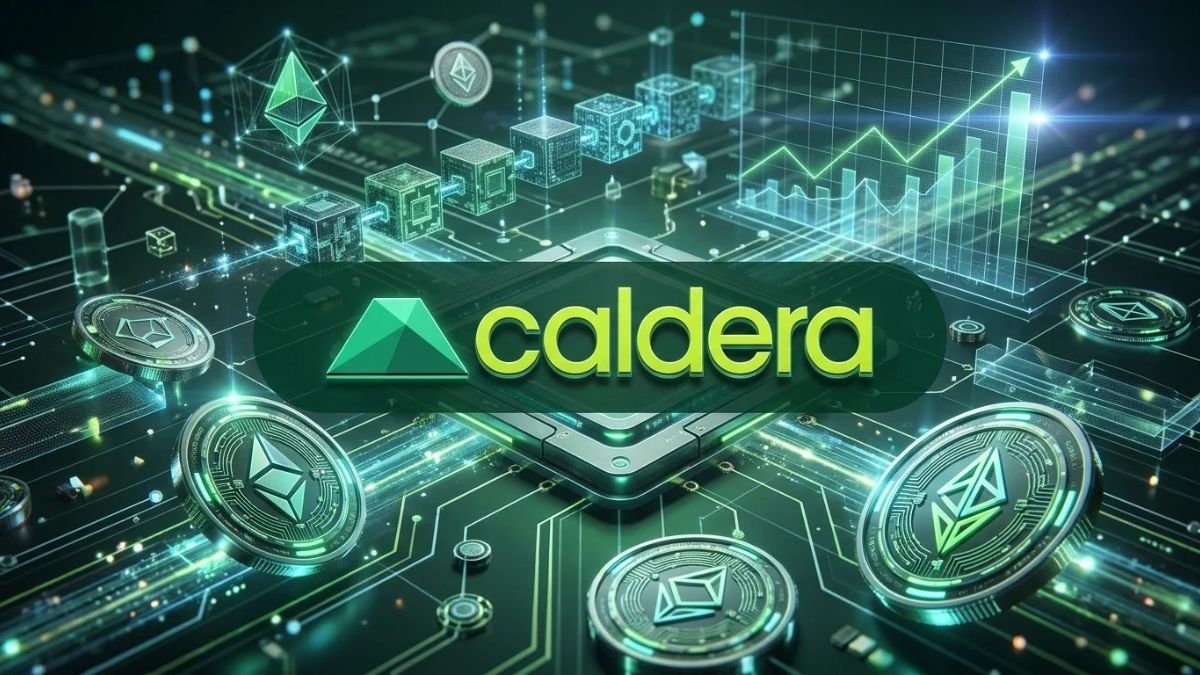
In recent years, establishing a blockchain network has become significantly easier, thanks to platforms like Caldera. This innovative solution streamlines the process of creating tailored blockchain ecosystems through customizable rollups. With a focus on flexibility and enhanced cross-chain capabilities, Caldera has positioned itself at the forefront of a growing trend towards specialized blockchain environments, catering to specific project goals and user requirements.
Understanding Caldera
A Rollup-as-a-Service Offering
Caldera operates as a blockchain infrastructure platform that empowers teams to develop application-specific rollups customized to their unique requirements. Unlike traditional blockchain solutions which cater to a broad array of use cases, Caldera enables the launch of dedicated networks optimized for sectors such as decentralized finance (DeFi), gaming, social engagement, and non-fungible tokens (NFTs). This Rollup-as-a-Service model minimizes complexity in deployment while providing developers with essential tools to foster scalable blockchain environments tailored to their operational needs.
Customization and Flexibility
A standout feature of Caldera is its commitment to customization. Projects can establish blockchain environments that align closely with their performance metrics, transaction demands, and overall ecosystem objectives. This adaptability allows developers to select configurations that address their applications’ distinctive needs, avoiding the pitfalls of a one-size-fits-all approach. As a result, Caldera attracts teams seeking greater autonomy over infrastructure, reinforcing its reputation as a versatile solution in the rollup sector.
Metalayer and Enhancing Ecosystem Connectivity
Another key aspect of Caldera is its Metalayer framework, which focuses on enhancing connectivity within the ecosystem. Designed to facilitate communication, asset transfers, liquidity access, and collaboration between different networks, Metalayer plays a crucial role in minimizing fragmentation among blockchain environments. By fostering thorough interoperability, it creates a connected user experience, allowing varied projects to leverage shared resources and streamlined cross-chain interactions.
Key Features and Ecosystem Significance
Caldera unifies custom rollup deployment, comprehensive customization, ecosystem interconnectivity, interoperability, shared liquidity prospects, and scalable infrastructure into a single platform. This amalgamation draws developers eager to build specialized networks without sacrificing connectivity. Through these dynamic capabilities, Caldera positions itself as a foundational infrastructure supportive of blockchain ecosystem growth, elevating user experiences and inspiring innovation across diverse decentralized applications (dApps) and services.
Operational Mechanics of Caldera

Modular Infrastructure for Rollups
Caldera offers a modular framework, allowing projects to craft dedicated rollup environments built on established blockchain technologies. Rather than enforcing a singular configuration for each network, this platform supports various rollup stacks, providing teams with the flexibility to choose the infrastructure components that best meet their needs. Such adaptability enables networks to configure execution environments, settlement preferences, and data availability in accordance with their specific performance objectives.
Metalayer Coordination System
The Metalayer initiative aims to generate a cohesive framework where independent networks can engage more efficiently through standardized communication protocols. By linking rollups via this infrastructure, participants benefit from improved interoperability, fostering a connected ecosystem where assets, users, and applications can traverse boundaries with ease.
Intent-Based Interactions
Caldera introduces an intent-based interaction model that simplifies complex cross-network actions. Instead of requiring users to manage each step of a transaction, participants can articulate their desired outcomes through intents, allowing specialized actors within the ecosystem to compete for fulfilling those requests more effectively. This approach streamlines user experiences across various blockchain environments, reduces friction, and enhances cross-chain activities, including liquidity access and application interactions.
Message Passing for Cross-Chain Communication
Message passing is integral to facilitating communication across interconnected networks. This method enables information flow among participating rollups, allowing applications to share data and coordinate activities beyond isolated chain environments. Coupled with Metalayer connectivity and the intent-based system, message passing creates a cohesive blockchain experience whereby separate networks collaborate seamlessly.
Exploring the ERA Token

ERA: The Native Ecosystem Token
The ERA token serves as Caldera’s native digital asset, designed to facilitate participation throughout the ecosystem. It connects users, network contributors, and stakeholders while aligning incentives and fostering the platform’s ongoing development. Beyond its role as a tradable cryptocurrency, ERA encourages active engagement and rewards contributions to the ecosystem, promoting an economic structure supportive of Caldera’s interconnected blockchain environments.
Utility and Functionality
Within the Caldera ecosystem, the ERA token fulfills several critical roles. It enables network participation, provides access to ecosystem services, and supports initiatives related to infrastructure enhancement. By distributing incentives to contributors enhancing the network, the ERA token transcends its identity as a speculative asset, becoming integral to economic activity coordination across the ecosystem.
Governance and Community Engagement
The ERA token also incorporates governance features, enabling holders to impact the ecosystem’s future direction through participation in key decision-making processes. These include proposals surrounding network development, incentive structures, and community initiatives. This governance framework seeks to align stakeholder interests with the platform’s long-term objectives, thus fostering active community involvement and contributing to the overall growth of the network.
Investment Dynamics of the ERA Token
Investors with an interest in blockchain infrastructure, rollup ecosystems, and interoperability initiatives may find the ERA token appealing. Its value is intrinsically linked to the adoption of the ecosystem, network activity levels, and the utility derived from participation. However, like all digital assets, the ERA token is subject to market fluctuations, and potential investors should assess factors such as ecosystem growth, governance roles, operational utility, competitive positioning, and long-term development potential before investing.
Conclusion
Caldera merges a customizable rollup infrastructure with robust cross-network connectivity, intent-based action mechanisms, and message-passing functions within a single cohesive ecosystem. The ERA token enhances participation through its extensive utility, incentivization, and governance roles. Together, these elements forge an ecosystem that prioritizes scalability, interoperability, and robust user engagement, laying the groundwork for future network development.
