


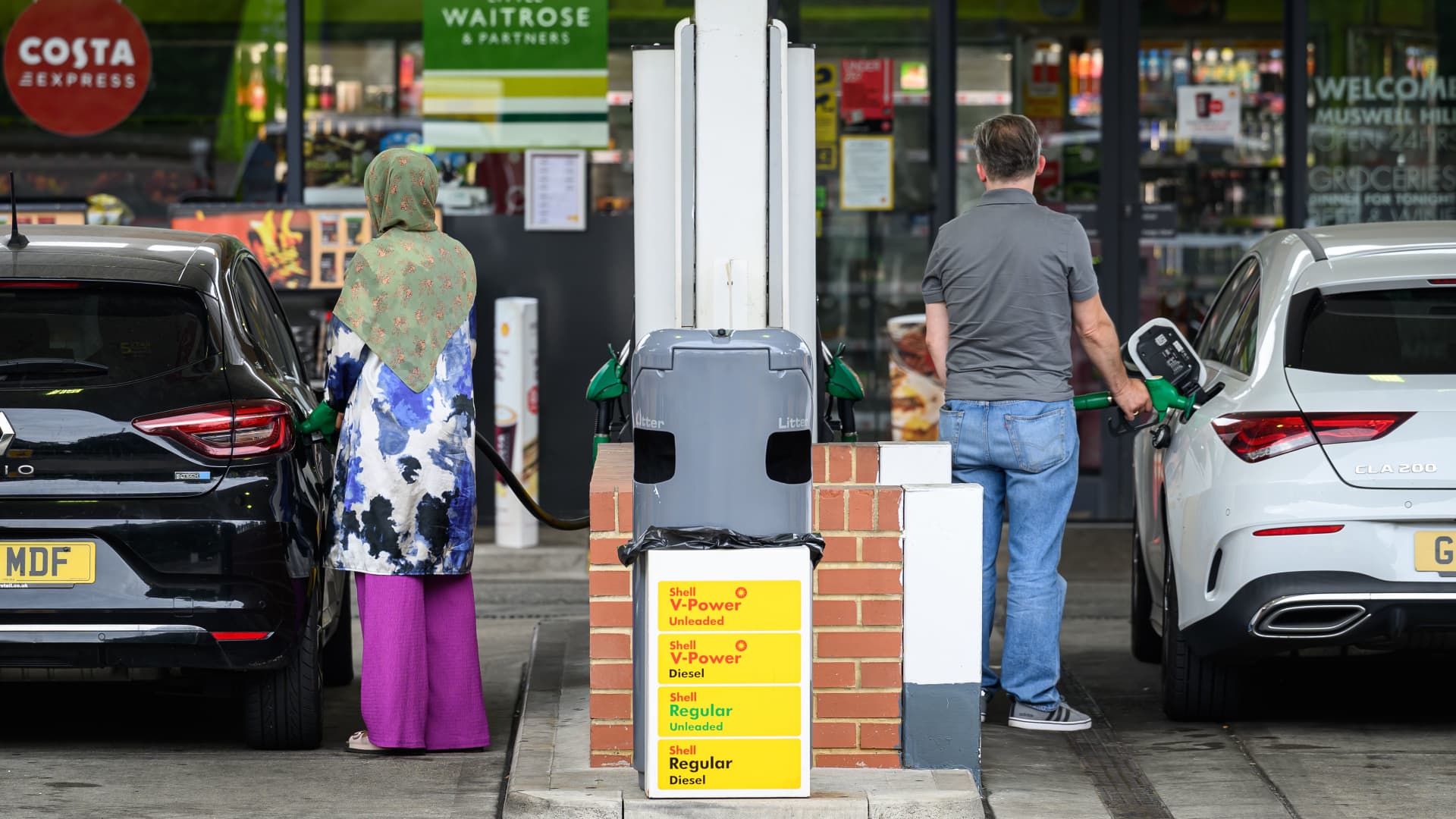
U.K. Inflation Rises Amid Soaring Fuel Costs
As of October 2026, the U.K. is grappling with a significant inflation uptick, which has reached 3.6%—the highest level seen in a year. This rise is attributed primarily to increasing fuel prices, which have surged dramatically.
Current Economic Context
Data from the Office for National Statistics (ONS) indicates that motor fuel expenses have skyrocketed by 33.2% over the past year, marking the steepest increase since the energy crisis ignited by geopolitical tensions in 2022. This spike coincides with a period where Brent crude oil prices have recently touched the $100 per barrel mark.
Fuel Prices and Their Implications
In the month leading up to October, the average petrol price in the U.K. rose by 5.2 pence (approximately 7 cents) per liter, reaching 174.7 pence per liter—the highest recorded since August 2022. Diesel prices saw an even sharper increase, climbing by 7 pence per liter to an astounding average of 199.5 pence, which represents a new high since tracking began in 1996.
Fuel expenses play a critical role in overall inflation rates, especially as the U.K. remains a net energy importer and vulnerable to fluctuations caused by global events, such as the ongoing tensions in the Middle East, which have disrupted energy trade routes.
Recent Economic Actions
Earlier this month, the Bank of England responded to inflationary pressures by raising interest rates for the first time in three years. Governor Andrew Bailey highlighted the potential for inflation to approach 5% by mid-2027 if market conditions remain precarious.
Future Projections
Markets are anticipating further rate hikes, with an estimated 80% probability that the Bank of England will implement another increase in its upcoming meeting, reflective of the ongoing economic challenges posed by rising energy costs.
Expert Insights
Scott Gardner, an investment strategist with JPMorgan Personal Investing, noted that while a recent decline in oil prices may lead to temporary relief for consumers, the long-term outlook for inflation remains unfavorable as the U.K. approaches the end of the decade. Gardner emphasized the possibility of sustained inflation prompted by continuing volatility in energy prices.
Conclusion
As the U.K. continues to navigate rising inflation primarily driven by fuel costs, economic stakeholders remain vigilant. The implications of these developments will need to be managed carefully to stabilize the economy and protect consumers moving forward.
