


Highlighting Indigenous-Owned Businesses: A Diverse Range of Brands
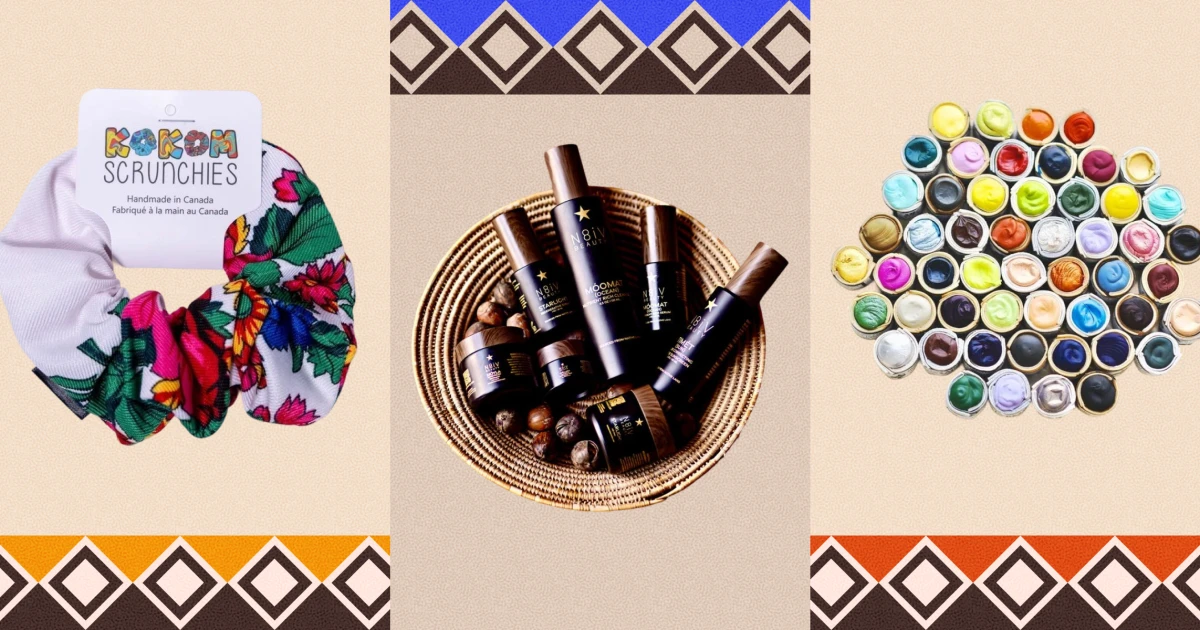
Mya Beaudry, a 15-year-old entrepreneur from the Algonquin community of Kitigan Zibi Anishinabeg First Nation, has made a notable impact in the business world through her venture, Kokom Scrunchies, which she launched just six years ago. Beaudry recalls being inspired to sew at a young age by her mother as a way to fund Indigenous youth events in their community. Her scrunchies, crafted from fabrics reminiscent of traditional floral scarves worn by grandmothers (kokoms), represent more than just fashion—they are a tribute to her cultural heritage.
The rich tapestry of Indigenous identity is woven into the fabric of many businesses established by Indigenous entrepreneurs. While there are over 4,000 languages spoken by Indigenous peoples worldwide, the loss of these languages—one occurring approximately every two weeks—inspires many to integrate their cultures and traditions into their brands. A report from the U.S. Small Business Administration indicates there were over 400,000 Indigenous-owned businesses in the United States as of 2021.
Exploring Beauty and Wellness
Cheekbone Beauty
Founded by Anishinaabe Jenn Harper, Cheekbone Beauty was born out of a desire to represent young Indigenous girls in the beauty industry. The brand offers a selection of makeup products, aligning itself with environmental responsibility through initiatives like the PACT Mail Back Program for product recycling.
N8iV Beauty
Ruth-Ann Thorn, of Payómkawichum and Luiseño background, realized the significant gap in Indigenous representation while shopping at a major beauty retailer. This led her to establish N8iV, which focuses on plant-based beauty products rooted in cultural knowledge.
Sisters Sage
Launching Sisters Sage became a lifeline for Lynn-Marie Angus amid personal challenges in high-rise construction, where she faced considerable adversity. The brand reflects her Indigenous heritage through an array of wellness products including soaps and smudge sprays.
Sister Sky
Established by sisters Monica Simeon and Marina TurningRobe of the Spokane Tribe, Sister Sky crafts haircare products that cater to diverse hair textures. Their commitment to community and authenticity has been key to their ongoing success.
Skwálwen Botanicals
Dr. Leigh Joseph, an ethnobotanist from the Squamish Nation, utilizes Indigenous plant science to create skin care items such as cleansers and creams, emphasizing the health benefits of local flora.
Fashion and Accessories Brands
Awasis Boutique
Christine Marie, inspired by her role as a mother, founded Awasis, which means “child” in Cree. She started crafting clothing for kids and has since expanded her line to include items for adults.
Ginew
Co-founded by Erik Brodt and Amanda Bruegl, Ginew originated from a meaningful tradition at their wedding. They produce apparel that reflects their Native heritage, intricately blending traditional design with modern needs.
Kené Kaya
Alessandra Durand, of Quechua ancestry, founded Kené Kaya in Peru. The brand collaborates with women artists from the Shipibo-Conibo tribe, creating hand-embroidered products that showcase a blend of cultures.
Kokom Scrunchies
Mya Beaudry’s scrunchies celebrate Indigenous figures, with each piece named in honor of someone significant in her life, while emphasizing the importance of representation for young Indigenous girls.
4Kinship
Founded by Amy Denet Deal, 4Kinship aims to create economic opportunities for her Diné community. The brand emphasizes sustainability through its vintage clothing and original upcycled designs.
Jewelry Brands
Beyond Buckskin
This North Dakota-based business, established by Jessica Metcalfe, promotes Indigenous artists by offering a wide selection of apparel and accessories drawn from their unique creations.
Haus of Dizzy
Kristy Dickenson, a proud Wiradjuri woman, creates vibrant jewelry that carries activist messages, blending fashion with cultural identity and personal expression.
Running Fox Beads
Skye Paul found her passion in beadwork, incorporating traditional Dene floral motifs into her unique jewelry designs, highlighting her connection to culture and heritage.
Sapling and Flint
Creators Dakota and Jesse Brant focus on infusing their Mohawk Turtle Clan culture into their jewelry, fostering connections within their community through their art.
Home and Kitchen Brands
Eighth Generation
This Seattle-based company, owned by the Snoqualmie Tribe, distinguishes itself as a provider of authentic Indigenous-inspired home goods, offering a wide range of products from blankets to candles.
Mahota Textiles
Designer Margaret Roach Wheeler’s brand pays homage to her Chickasaw heritage by creating textiles that reflect longstanding traditions of her family.
Onquata
Founded by mother-daughter duo Lise and Lara Siouï, Onquata produces distinctive home goods and wellness products, utilizing traditional techniques and designs.
Rashelle
Nêhiyaw designer Rashelle Campbell channels her cultural experiences into colorful, maximalist rugs and home decorations, aiming to convey joy alongside resilience.
Totem Design House
Located on Vancouver Island, Totem Design House offers a diverse collection of handcrafted products, including jewelry and art, emphasizing cultural representation in every item.
Books and Art
Beam Paints
Anong Beam’s venture in paint production stems from her artistic upbringing, creating products that allow for the revival of traditional practices in artmaking.
Birchbark Books
Owned by Louise Erdrich, this Minnesota bookstore specializes in works by Indigenous authors, fostering community engagement through literature.
Saretta Art & Design
Saretta Fielding, a Wonnarua woman, crafts traditional sand art, preserving cultural narratives through contemporary methods.
Strong Nations
Situated on the Snuneymuxw First Nation territory, Strong Nations focuses on educational publishing, contributing to both cultural awareness and language revitalization.
The Farmer’s Daughter Fibers
Candice English, inspired by her dual heritage, transformed her passion for yarn into a successful brand, offering a variety of dyed yarns that reflect her cultural roots.
Food and Beverage Ventures
Camins 2 Dreams
Tara Gomez and Mireia Taribó founded their winery with a mission to represent their heritage and create quality wines, navigating a challenging industry landscape.
Heartberry Soda
Nadine Jopson’s Heartberry Soda utilizes Indigenous botanical ingredients to create unique flavors, celebrating the lineage of traditional knowledge about plants.
Navajo Mike’s
Michael John turned his culinary aspirations into business with Navajo Mike’s, offering a selection of hot sauces inspired by his heritage.
Séka Hills
Owned by the Yocha Dehe Wintun Nation, Séka Hills operates a sprawling farm, growing a variety of crops while honoring their Indigenous roots.
Wabanaki Maple
Jolene Johnson’s venture specializes in innovative maple syrup flavors, bridging traditional practices with contemporary offerings for broader appeal.
Commitment to Authentic Representation
Each of these Indigenous-owned brands exemplifies the cultural heritage and entrepreneurial spirit of their founders. By engaging with these businesses, consumers can not only support diverse markets but also contribute to the preservation and celebration of Indigenous cultures.
