


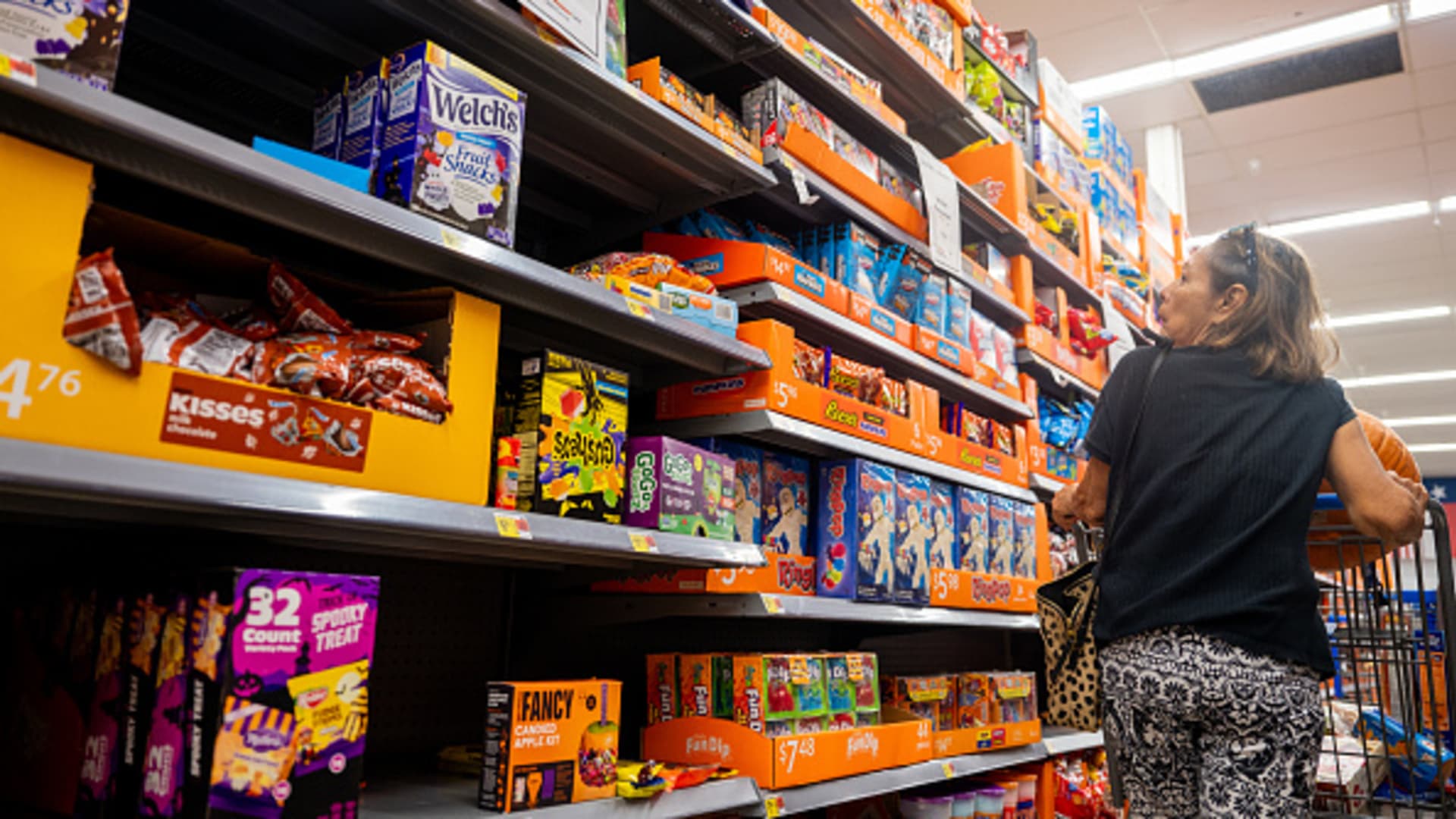
In October, retail sales in the United States exhibited their slowest growth in nearly a year, signaling that consumers are feeling the effects of rising prices. According to the latest report from CNBC and the National Retail Federation (NRF), total retail spending reached $561.7 billion, marking a modest increase of 0.2% from the previous month and an annual rise of 3.6%.
When excluding restaurant expenditures, core retail spending saw a slight uptick of 0.3% month-over-month, standing at $454.2 billion. Year-over-year, core spending was up by 3.4%. These figures indicate a cautious consumer response as inflation pressures continue to influence purchasing behavior.
The October growth rate for overall spending was the lowest since November 2022, demonstrating a shift in consumer spending habits as they opt for more selective purchases amid ongoing inflationary concerns. However, the NRF noted that boosted sales from a successful Halloween season and early holiday promotions contributed positively to the figures.
Matthew Shay, CEO of the NRF, remarked, “Households are managing budgets carefully, timing purchases around special offers and sales events in order to stretch their dollars.” Retailers, responding to this frugality, have been actively providing promotions and value pricing to make everyday items and holiday gifts more affordable for consumers.
The comprehensive retail monitor now includes data from approximately 120 million credit and debit cards, enhancing its status as one of the largest sources of spending insight in the nation. This information is sourced from Affinity Solutions.
Year-over-year, spending increases occurred in nine out of eleven sectors. The electronics and appliances category led the uptick with a 9.3% rise over the past twelve months. This surge is attributed to rising prices across various technology products, including laptops and gaming consoles, which have been affected by increased memory chip costs amid the AI industry’s growth.
In contrast, the furniture and home furnishings market experienced a downturn, with sales declining by 0.2% in October. This decline is likely influenced by the current housing market stagnation tied to higher mortgage rates, and sales in this category have seen a 12-month decrease of 2.6%.
Additionally, spending on a range of leisure items—such as sporting goods, music, and books—contracted by 0.4% year-over-year, despite a slight month-to-month increase from September to October.
Recent data highlights the ongoing impact of elevated inflation rates and growing costs on American consumers, whose spending plays a crucial role in the national economy. The Bureau of Labor Statistics reported a 0.4% rise in the consumer price index for October, a figure slightly above economists’ expectations.
A National Federation of Independent Business survey also revealed that 37% of businesses plan to raise prices in the next three months, marking the highest forecast since July 2022 when inflation surged due to energy price volatility linked to the geopolitical situation in Ukraine.
With inflation and cost-of-living concerns emerging as key topics in the recent midterm elections, the economic landscape continues to shape consumer habits and business strategies as stakeholders navigate these challenging conditions.
