


According to Dan Krupka, founder of Connection Capital, Bitcoin (BTC) could encounter renewed selling pressure in the near future. This potential downturn may stem from the strength of the U.S. dollar, which Krupka suggests undermines a prevalent macroeconomic narrative around cryptocurrency. This caution comes alongside concerns about one of the largest thefts in the history of cryptocurrency.
In a discussion featured in a post by 99Bitcoins, Krupka criticized the widely held belief in a “dollar-down trading” strategy. He noted that with rising energy costs and weakening foreign currencies, the U.S. dollar could strengthen, leading to declines in Bitcoin, gold, and broader financial markets.
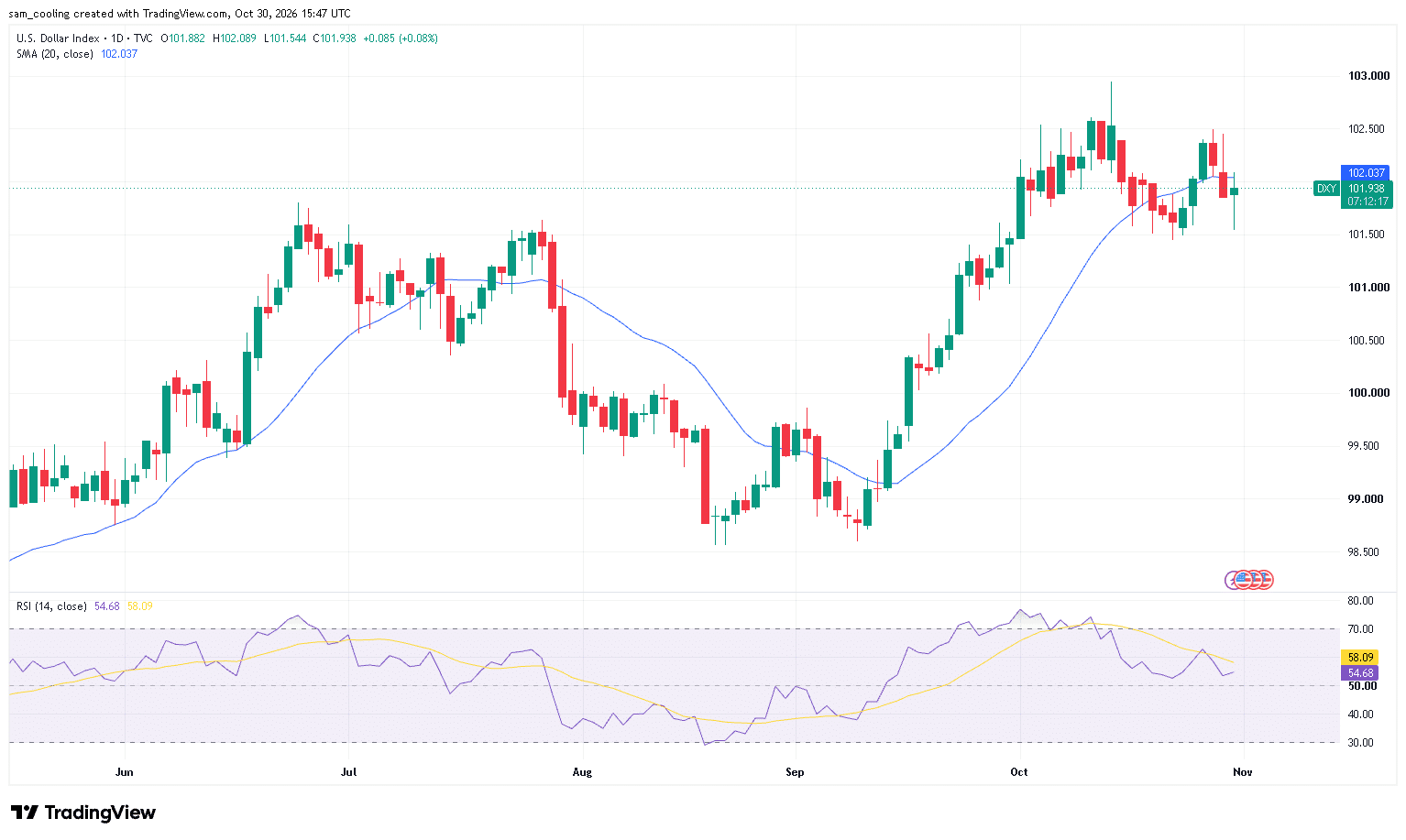
Currently, Bitcoin is valued near $77,500, while the U.S. dollar index (DXY) lingers around 102, having appreciated since September.
Krupka’s View: Bitcoin and Gold May Decline Together
Increasing depreciation of value trading has positioned rare assets like Bitcoin and gold as attractive alternatives to traditional fiat currencies. Investors are motivated by concerns over soaring government debt and diminishing purchasing power of these currencies.
However, Krupka argues that the trend overlooks a key factor: the U.S. dollar has not experienced the significant decline that many traders anticipated.
In an interview with 99Bitcoins, he elaborated on how shifts in the global energy market could affect Bitcoin and other assets. “There’s been a lot of talk about the so-called ‘dollar down trade’ where the US dollar goes down and everything goes up, especially Bitcoin and gold. The problem is that the US dollar isn’t actually going down; it’s actually starting to go up in recent months,” he stated. “This situation looks set to continue simply because other currencies like the euro and the Japanese yen are under pressure, primarily due to rising energy prices. If that happens, the dollar will continue to rise, pushing Bitcoin, gold, and the broader market lower in the coming months.”
This emphasizes the dichotomy between Bitcoin’s long-term value as a hedge against inflation and its short-term vulnerability to shifts in global liquidity conditions. Despite Bitcoin’s capped supply of 21 million coins, its value does not rise automatically in adverse economic conditions.
While a strengthening dollar tends to elevate prices of dollar-denominated assets for international investors, tighter financial conditions could dampen demand for speculative investments. Consequently, both Bitcoin and gold might see declines if investors prefer to maintain dollar holdings.
The Impact of Energy Prices on Economic Stability
A significant aspect of Krupka’s analysis is the sensitivity of major economies to rising energy costs. European and Japanese economies, heavily reliant on energy imports, face pressures that could lead to higher inflation and slowed economic growth. The resulting challenges could impact monetary policy decisions.
If oil and gas prices escalate, it could further exert pressure on the euro and Japanese yen. A decline in these currencies would be particularly consequential for the U.S. dollar index (DXY), which factors heavily in their value.
The dollar index recorded closing figures of approximately 101.85 on October 29, up from 101.45 at the end of September. Despite a recent dip, the overarching trend suggests resilience in the dollar, necessitating close monitoring of its strength moving forward.
Significantly, Krupka’s outlook does not negate investor concerns over U.S. government debt or inflation. Even amid domestic purchasing power decline, the dollar can appreciate relative to other currencies, affecting global investment patterns.
Bitcoin Price Dynamics: Factors Influencing Market Sentiment
The crucial question for Bitcoin investors centers on whether recent dollar strength will lead to a long-term uptrend.
Further increases in the DXY would bolster Krupka’s bearish perspective, particularly if energy prices continue to rise and global financial conditions tighten. However, this relationship is not inherent; various factors, including shifts in Federal Reserve policy and investor interest in cryptocurrency, may alter Bitcoin’s path.
Interestingly, Bitcoin and gold often respond differently to economic disturbances. Gold may attract defensive capital during times of volatility, while Bitcoin’s performance may correlate more closely with risk-sensitive assets.
Krupka’s insights raise significant questions about the assumption that currency depreciation will automatically elevate Bitcoin prices. In the coming months, it remains to be seen whether investors will turn to rare assets as a refuge from the dollar or whether the dollar’s strength will emerge as a prevailing trend in global markets.
For more insights and updates, follow 99Bitcoins on X and subscribe on YouTube for daily expert market analysis.
The insights shared in this article derive from 99Bitcoins and highlight the evolving landscape of cryptocurrency amidst macroeconomic challenges.
