


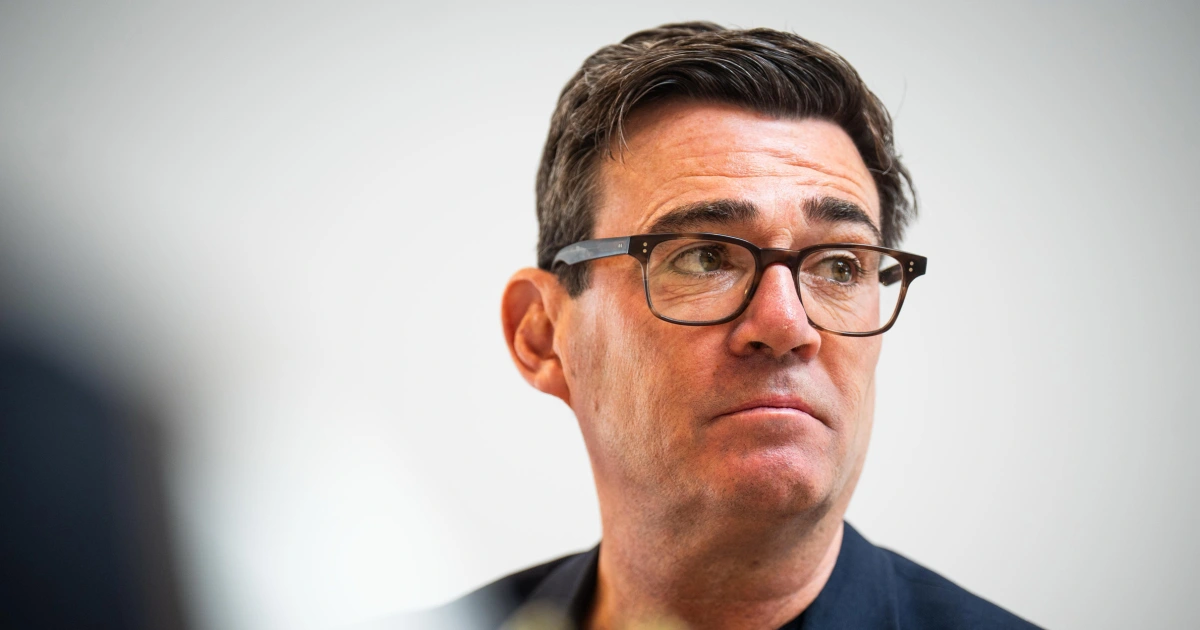
LONDON – British Prime Minister Andy Burnham has indicated a willingness to consider a formal apology for the United Kingdom’s involvement in the transatlantic slave trade. However, he has categorically dismissed the idea of financial reparations, even as King Charles III embarks on a tour of the Caribbean.
Burnham’s recent remarks mark a significant change in the U.K.’s longstanding refusal to acknowledge calls for either an apology or reparations related to the slave trade, a stance that has been heavily criticized over the years.
As preparations for the upcoming Commonwealth Heads of Government Meeting in Antigua and Barbuda advance, Burnham expressed his views in an op-ed featured in The Guardian. “We are offering a structured dialogue with those affected by the transatlantic slave trade,” he stated. “Listening to calls for a formal apology on behalf of the British state will form an important part of this process, and I am open to them.”
Despite this openness, he firmly ruled out financial reparations, arguing that present-day Britons who did not personally participate in the slave trade cannot bear the burden of financial liability.
The transatlantic slave trade was pivotal to European colonial expansion and the establishment of the British Empire, which saw millions of Africans forcibly transported to the Americas. These individuals endured extreme hardship, including violence, torture, sexual abuse, and the stripping of fundamental human rights.
Mia Mottley, Prime Minister of Barbados, welcomed Burnham’s comments on the potential for a formal apology via a post on social media platform X. Similarly, Jamaica’s Prime Minister Andrew Holness acknowledged the significance of open dialogue in tackling such challenging subjects.
The issue of reparations has gained momentum, as Jamaica recently brought its case before King Charles, and it is currently under review by the United Kingdom’s highest legal authority.
Ahead of King Charles’ visits to the Bahamas and Guyana, various Caribbean leaders emphasized the need for Britain to confront its historical role in the slave trade. The King had previously traveled to Clifford Park, a site of historical significance where he granted The Bahamas independence after three centuries of British colonial rule.
During his recent journey, members of The Bahamas’ Rastafarian community and other activists expressed their sentiments through a public protest, calling out for recognition of historical injustices. “Pay us what you owe us!” shouted one demonstrator, as others reiterated the grief stemming from past atrocities against Black populations.
In an address, King Charles remarked, “It is only right that we should acknowledge the great suffering and injustices of the past in these islands and beyond, even as we rejoice in the successes of the present.”
