


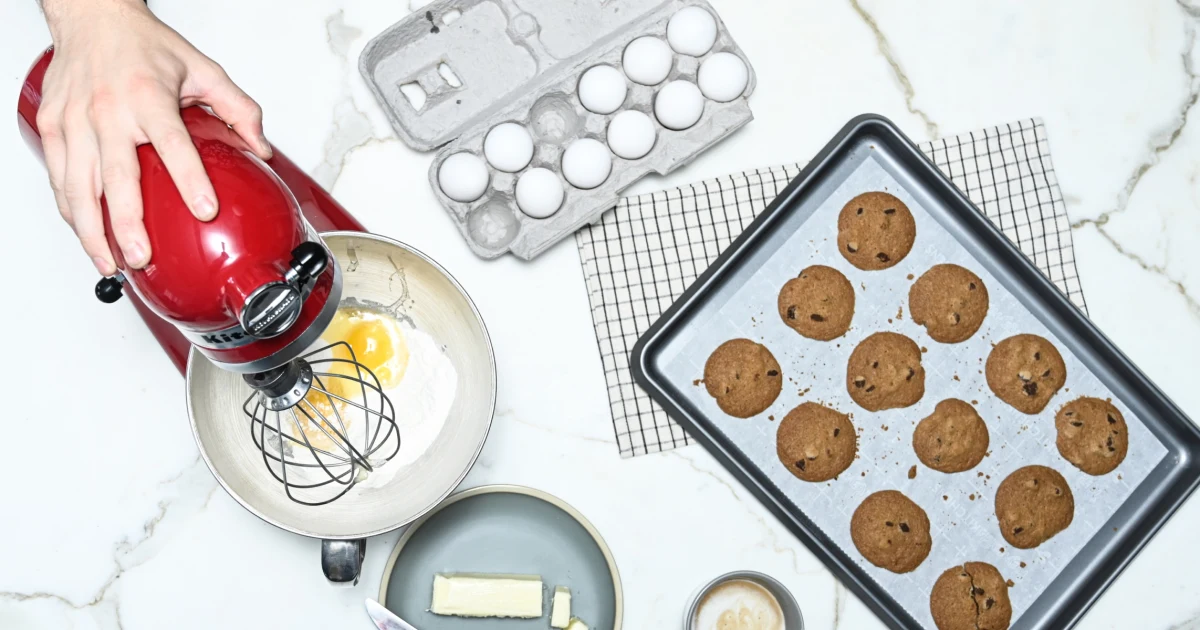
Baking cookies is a delightful and accessible activity for both novice and experienced bakers, making it a popular choice for dessert lovers. Whether you prefer soft, gooey cookies or crunchy delights, there’s a cookie recipe for every taste. This guide offers a thorough walkthrough of the cookie-making process, including expert insights and must-have tools to achieve the best results during your baking adventures.
Step-by-Step Cookie Baking Guide
Step 1: Preparing the Cookie Dough
Choosing the type of cookie you want to bake is the first step in your cookie journey. After deciding, thoroughly read the recipe before beginning. As Penny Stankiewicz, a chef-instructor at the Institute of Culinary Education, advises, follow the recipe closely to ensure the right taste and texture. However, feel free to experiment with flavors and mix-ins, such as adding extra vanilla or varying chocolate types, as long as the main structural ingredients like flour, butter, and sugar remain unchanged.
Essential Tools for Cookie Dough
- Kitchen Scale: Measuring ingredients by weight ensures accuracy, leading to consistent cookie results. A digital kitchen scale is recommended for precise measurements.
- Measuring Cups: For those who prefer measuring by volume, a quality set of dry and liquid measuring cups is essential. Ensure that dry ingredients like flour and sugar are measured with dry cups and liquids with liquid measuring cups to prevent inaccuracies.
- Mixers: Whether you choose a hand mixer or stand mixer, having one of these tools is helpful, especially for creaming butter and sugar, which is a common first step in many cookie recipes.
- Mixing Bowls: A set of sturdy mixing bowls in various sizes will help accommodate different batches of dough.
Step 2: Forming the Cookies
Shaping your cookies varies depending on the type of cookie you are making, necessitating specific tools, such as a cookie scoop for drop cookies, rolling pin for cut-out cookies, and cookie cutters for decorative shapes.
Tools for Shaping
- Cookie Scoop: This tool ensures uniform sizes for drop cookies, promoting even baking.
- Rolling Pin: A good rolling pin provides even results for cut-out cookies.
- Cookie Cutters: Available in various shapes, cookie cutters allow for creative designs and fun presentations.
- Cookie Press: Useful for making spritz cookies, a cookie press helps in shaping cookies quickly and uniformly.
Step 3: Baking the Cookies
Baking is often the most stressful part of the process, but the right tools can alleviate some of that anxiety.
Key Baking Tools
- Oven Thermometer: This helps ensure your oven is correctly calibrated, which is crucial for achieving even baking results.
- Sheet Pans: Opt for rimmed, lighter-colored baking sheets to prevent cookie slipping and ensure proper heat distribution.
- Parchment Paper: Using parchment paper keeps cookies from sticking and makes cleanup easier.
- Timer: Keeping track of baking time is vital. A dedicated kitchen timer can help you monitor your cookies effectively.
Step 4: Cooling the Cookies
Let cookies rest on the baking sheet for a few minutes before transferring them to a cooling rack. This practice prevents overcooking by allowing residual heat to disperse.
Step 5: Decorating the Cookies
Decoration is optional but can add flair to your cookies. Consider dusting with powdered sugar, icing, or adding sprinkles for a festive touch.
Step 6: Storing Cookies
To maintain freshness, store cookies in an airtight container. For longer storage, consider freezing them by laying them on a baking sheet until firm and then transferring to a freezer-safe container.
Popular Cookie Varieties
- Drop Cookies: Typically made by dropping spoonfuls of dough onto a baking sheet, these cookies allow for easy preparation and are commonly known for classic flavors like chocolate chip.
- Cut-Out Cookies: A festive favorite, cut-out cookies are rolled out and shaped with cookie cutters, perfect for decoration during holidays.
- Slice-and-Bake Cookies: Shaped into logs and chilled, this type allows for quick baking by slicing into rounds.
- Spritz Cookies: Created with a cookie press, these have a lighter texture and are usually more delicate.
Expert Tips for Successful Baking
- To minimize sticking, roll dough between parchment sheets instead of adding flour.
- When measuring dry ingredients, spoon them into measuring cups to avoid excess.
- To combat burning, consider using double-layered baking sheets.
- Store cookies with a piece of bread to retain moisture.
- If cookies lose shape while baking, gently reshape them while warm.
Frequently Asked Questions
Do you need to chill cookie dough before baking?
Chilling cookie dough helps maintain shape during baking. However, if a crispier texture is desired, some recipes allow for immediate baking without chilling.
Can you freeze cookie dough?
Yes, freezing cookie dough preserves quality and allows for flexible baking schedules. Just ensure it’s properly wrapped to prevent air exposure.
Where should you place your baking sheets in the oven?
The center rack is ideal for distributing heat evenly. Rotate if baking multiple trays.
Should butter be melted or softened?
Softened butter at room temperature is best for most cookie recipes, allowing for optimal texture and mixing.
Conclusion
Baking cookies can be a rewarding experience filled with creativity and flavor. By following these structured steps and utilizing expert advice and tools, you can enhance your cookie-making skills and enjoy delicious results every time.
