


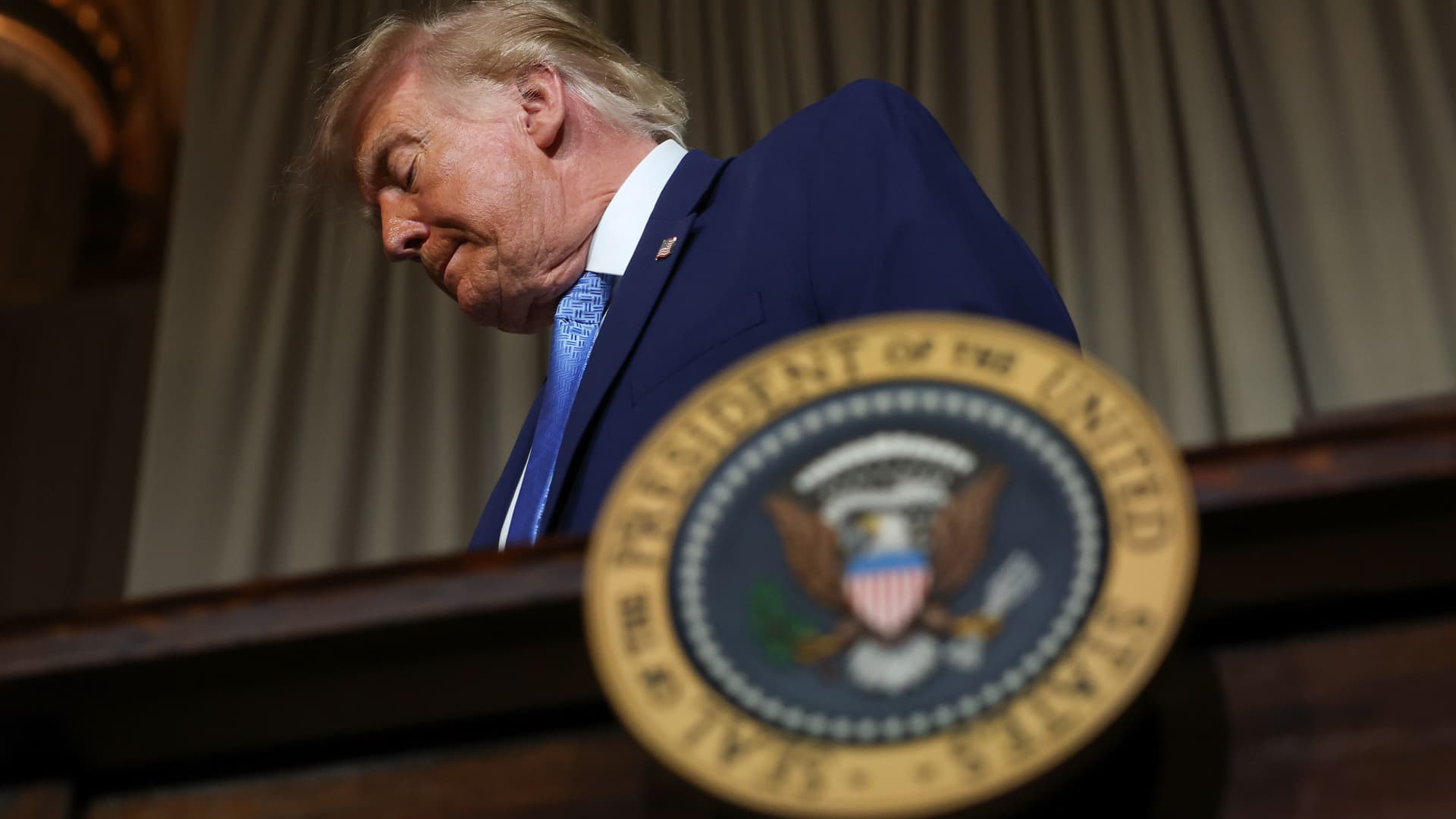
As the congressional elections approach in less than two weeks, economic sentiment among Americans is notably low, reflecting feelings similar to those observed during the pandemic’s early phases. Recent findings from the CNBC All-America Economic Survey reveal that President Donald Trump’s approval rating regarding economic performance has reached a record low.
More than 80% of Americans rate the economy as fair or poor, the highest percentage since December 2023, underscoring significant challenges for Republican candidates as they head into the midterm elections. This pervasive pessimism is most pronounced among Democrats and independents, with a substantial rise in economic negativity even among Republicans recently.
According to the survey, conducted among 1,000 registered voters nationwide with a margin of error of ±3.1%, a significant 63% of the public express concerns about the economy’s current state and future prospects. This figure has increased by one percentage point since July, now including 35% of Republicans, marking a notable rise of six points for GOP members and the highest level of pessimism among them during Trump’s presidency.
Micah Roberts, a partner at Public Opinion Strategies, noted, “We got there not because of independents or Democrats getting more sour — it’s because Republicans have.” Traditionally, Republicans have displayed a slight inclination towards viewing the economy positively, but recent shifts indicate a notable break from this for their base.
The survey reveals changing political preferences as well, with Democrats preferred for control of Congress by a margin of 52% to 45%. This marks a 3 percentage point increase for Democrats since the July survey, contributing to a generally concerning outlook for Republican candidates.
- Voter Interest: 72% of Democrats report high interest in the upcoming election, compared to only 62% of Republicans.
- Gender Disparity: Women demonstrate 10 percentage points more interest than men, favoring Democratic control by 22 points.
- Independent Views: Independents also show a strong preference for Democrats at 49% to 33%.
Survey respondents indicated a belief that Democrats would better handle pressing issues such as corruption, food costs, and gas prices. In competitive Senate races across eight states, respondents likewise lean towards Democratic control, contrasting sharply with Trump’s success in these areas during the 2024 presidential election.
Despite economic worries, Trump’s overall approval rating is relatively stable, yet low at 40% approval compared to 59% disapproval. His economic approval rating has sharply declined 9 points since the last survey in July, now sitting at 34%, with a corresponding disapproval rate climbing to 65%. This stark -31 net economic approval is unprecedented during Trump’s presidency, outpacing previous lows set by former President Joe Biden.
Notably, government corruption emerges as a critical concern for 36% of respondents, with Democrats holding a slight lead in perceived ability to address this issue. Furthermore, concerns regarding the cost of food and groceries—identified by 34% of participants—exceeded those about gas prices, illustrating heightened anxiety over living costs across demographics.
As the election date nears, both pollsters approach the results with caution. Roberts from Public Opinion Strategies acknowledges the potential for a tightening battle, stating, “There are several indications nationally that the electorate is tilting more toward Democrats.” Campbell, standing with Hart Associates, assesses this shift not as a realignment of party loyalty but more of a return to previous voting patterns, suggesting younger voters are gravitating back towards Democratic candidates.
