


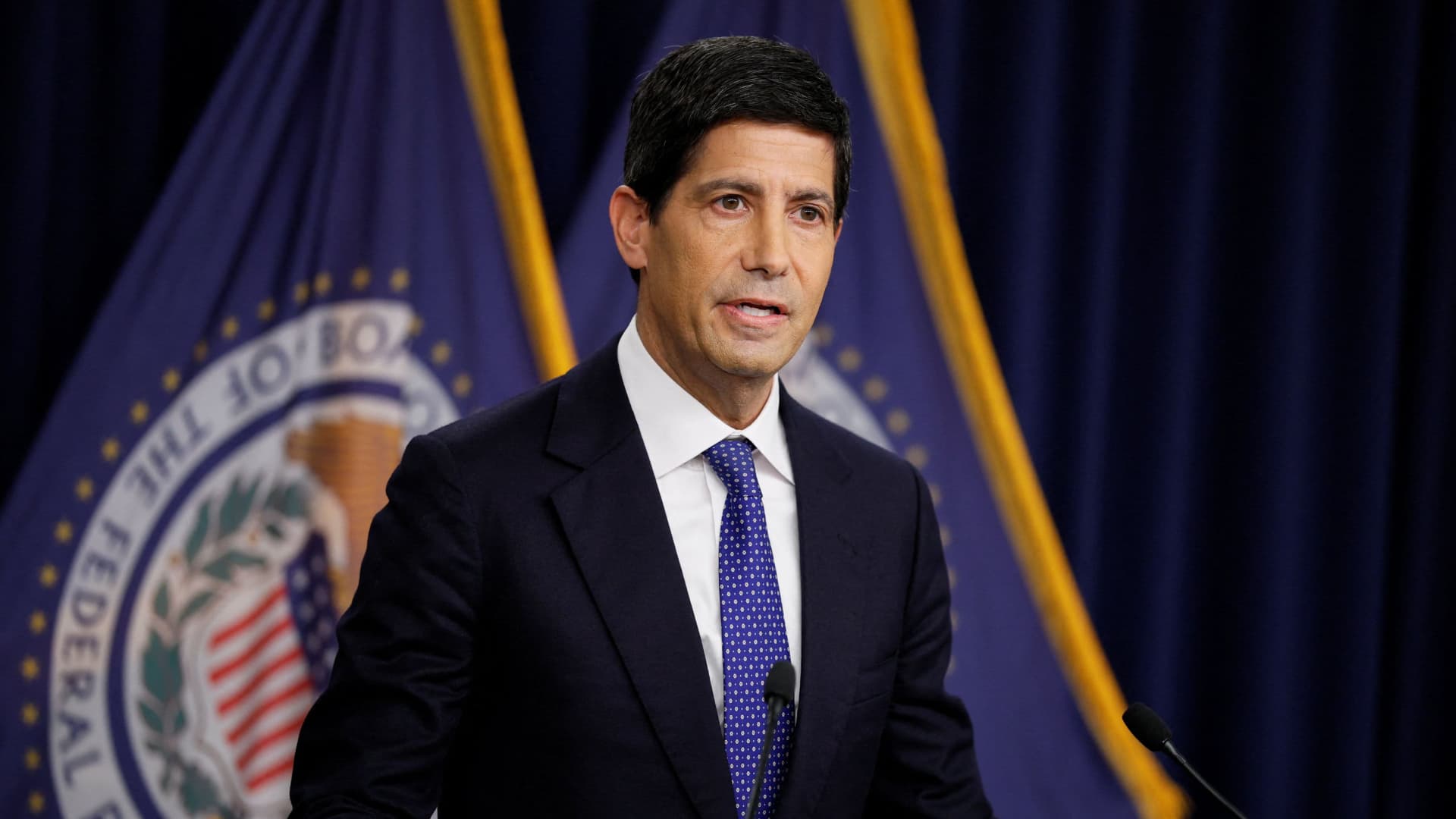
Investors Anticipate Fed Rate Hold, But Warsh’s Leadership May Shift Expectations
As the Federal Open Market Committee (FOMC) prepares for its upcoming meeting, market speculation suggests that the Federal Reserve is unlikely to increase interest rates. Nevertheless, this consensus is based on interpretations of communication styles that could change under the new chairmanship of Kevin Warsh.
Market Sentiment Regarding Rate Decisions
Currently, market futures indicate only a 15% chance of an interest rate hike in October. This expectation has been bolstered by remarks from Warsh during an International Monetary Fund event in Bangkok, where he clarified that he was not providing a signal on future policy decisions. Nonetheless, his comments have contributed to a prevailing market sentiment leaning toward a pause in rate increases.
The Case for Caution Amidst Inflation Data
While there are compelling reasons for the market to expect the Fed to maintain its current rates, key inflation data could present a different narrative. Historically, the Fed has used inflation levels to justify adjustments in policy, and recent reports indicate rising inflation rates that could prompt the committee to reconsider its stance.
Warsh’s Unique Approach
What differentiates Warsh’s approach is his departure from the traditional practice of pre-communicating policy intentions. Investors may find themselves miscalculating the likelihood of a hike based on outdated conventions where subordinate Fed officials served as consistent representatives of the chair’s stance. With recent comments from Fed Vice Chairman Philip Jefferson and New York Fed President John Williams indicating a preference for maintaining current rates, the markets quickly shifted their expectations.
Analyzing Economic Views and Market Reactions
When Warsh remarked that the economy has conformed to the Fed’s expectations, it didn’t align with the increasing inflation data. During the last FOMC meeting, the median member’s outlook suggested a possible rate increase later in the year, leaving the door open for potential adjustments if inflation trends continue. However, Warsh has expressed personal divergence from this consensus, stating, “Those aren’t my forecasts,” when addressing the committee’s public economic projections.
Inflation Addressed
Current data highlights a worrisome trend: the consumer price index rose by 3.7% year-over-year through September, while the producer price index increased by 6.3%. Forecasts for the core personal consumption expenditures (PCE) index also hint at sustained inflationary pressures, with projections at around 3.1%. Warsh has firmly stated that the Fed’s 2% PCE target is “a firm, fixed target,” underscoring his commitment to address inflation aggressively.
The Road Ahead: Expectations Versus Reality
As Warsh navigates his new role, there are questions regarding his understanding of market dynamics—specifically how external expectations could impact Fed decisions. Raising interest rates when markets lean heavily toward a hold could trigger significant volatility, a scenario that has compelled previous Fed officials to carefully manage their public communications.
Looking ahead to the October meeting, Warsh’s final posture remains uncertain. He may choose to reinforce a tougher approach to combat inflation, drawing on signals such as strong demand for technology investments or lean toward a more moderate stance after assessing committee opinions.
In conclusion, while many are betting on a steady Fed in October, the potential for surprises exists under Warsh’s leadership, making it essential for investors and analysts to stay attuned to unfolding developments.
