


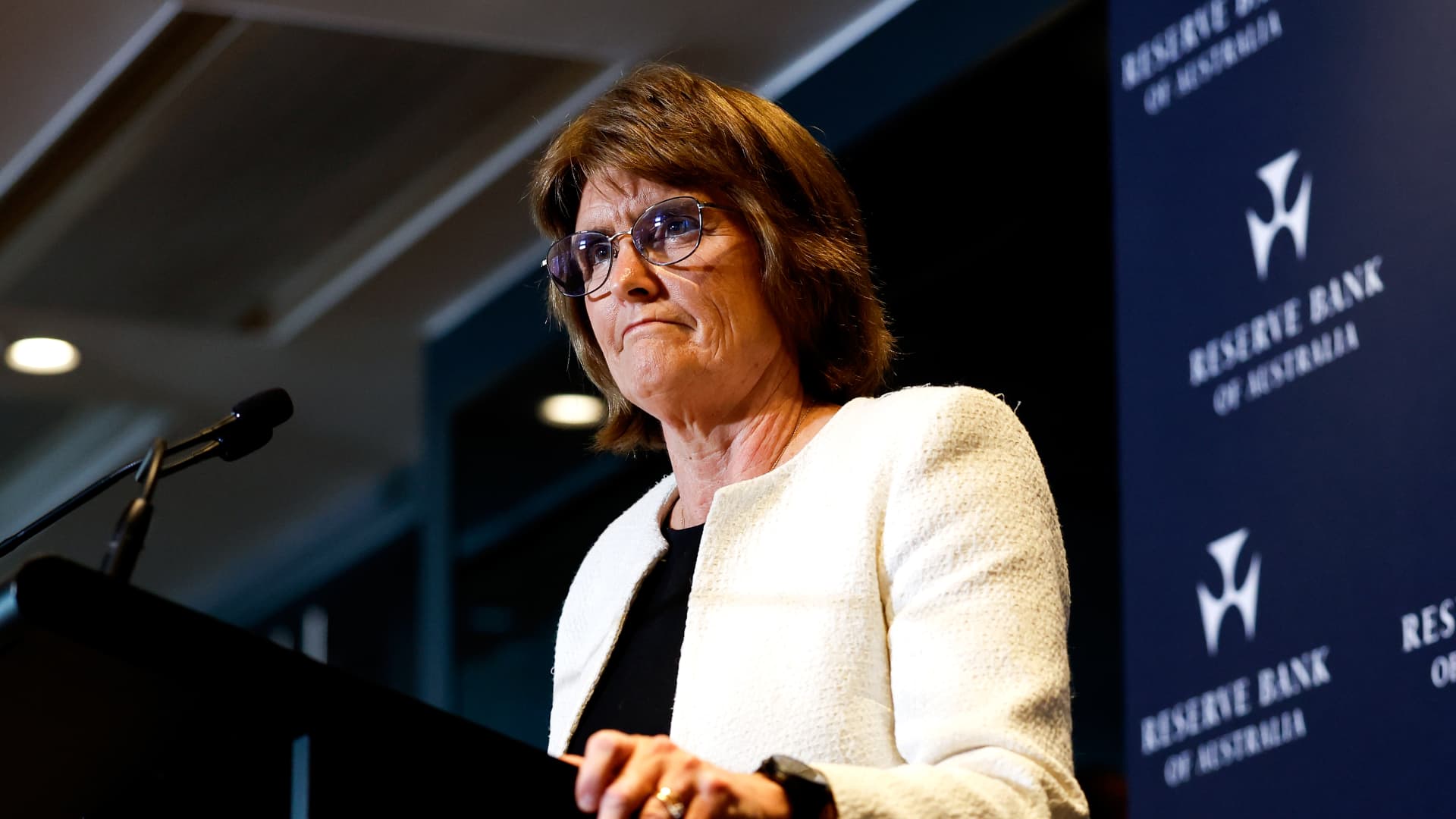
On Tuesday, Australia’s central bank took a decisive step to combat rising inflation by increasing its policy interest rates to 4.6%. This marks the highest rate the country has experienced in the past 15 years, reflecting the ongoing challenges posed by inflation exacerbated by global events, particularly the conflict in the Middle East.
The Reserve Bank of Australia’s (RBA) decision to raise rates by 25 basis points aligns with the forecasts of economists surveyed by Reuters. This adjustment is part of a broader strategy, with the RBA having implemented four rate hikes in 2023, totaling 100 basis points, as inflation pressures persist.
Global Economic Influences
In its official statement, the RBA acknowledged that several factors previously identified as risks in August are now coming to fruition. Notably, the escalating tensions in the Middle East have led to significant increases in global energy prices, surpassing initial projections.
The central bank highlighted how demand driven by artificial intelligence is contributing to steep price rises, particularly in technology sectors. In response to these conditions, the RBA indicated its commitment to taking further action as deemed necessary to keep inflation in check.
Market Reactions and Inflation Trends
Following the announcement, there was little movement in the financial markets, with the S&P/ASX 200 index and the Australian dollar remaining stable. Australia’s inflation has consistently exceeded the RBA’s target band of 2%-3%, peaking at 4.6% in March before settling at 3.5% in July, which was again higher than anticipated. The latest inflation data for August is due to be released this Wednesday.
Insights from Financial Analysts
A recent analysis from Bank of America highlighted that inflation appears to be accelerating rather than reverting to target levels. The July Consumer Price Index (CPI) report underscored a significant shift, indicating a trend of increasing core inflation in recent months.
Bank of America also pointed to the potential for second-round effects stemming from rising energy costs, suggesting that inflation could become entrenched. They noted ongoing geopolitical tensions in the Middle East heightening the risk of higher inflation alongside lower economic activity than currently projected.
Economic Growth Outlook
The RBA has cautioned about a potential slowdown in Australia’s economic growth as interest rates rise. Following a growth rate of 2.5% in the first quarter, the economy expanded by only 2.1% in the second quarter, indicating a trend of slowing momentum.
In summary, the RBA’s latest interest rate hike is a crucial component of its efforts to combat persistent inflation influenced by both local and global dynamics. As Australia navigates these economic challenges, the central bank remains vigilant and prepared to adjust policies as required.
